Over the course of 2025, numerous automakers have been plagued by backup camera failures, from Stellantis and Toyota to Ford and Hyundai. On the more premium end of the spectrum, Porsche has now fallen victim to a similar problem, according to a new recall issued by the National Highway Traffic Safety Administration, which impacts some 173,538 vehicles across the automaker’s lineup. The recall affects vehicles from the 2019 model year all the way up to 2025 variants, and worst of all, Porsche only expects to be ready to notify owners of a remedy in the middle of February 2026.
Porsche’s Glitch: What It Is and Which Models Are Affected
Porsche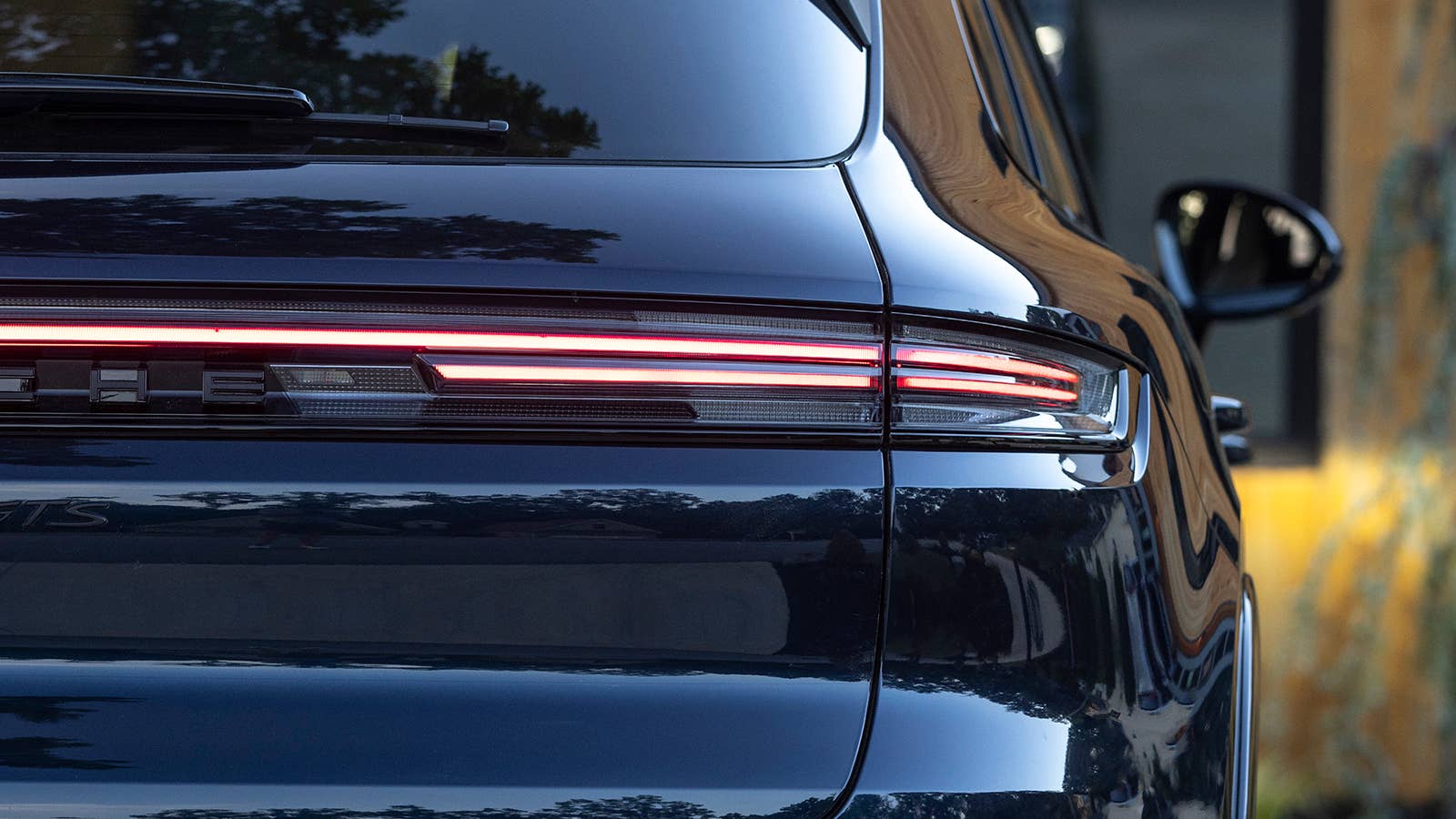
Specifically, the problem is described as “a software issue [that] may prevent the rearview camera image from displaying as required,” according to the NHTSA recall report. Frustratingly, the same report says that the “exact root cause is unknown,” although transient signal noise between the control unit and the surround view cameras may be responsible for interrupting the signal from the rearview camera. This gremlin could explain why it will take so long for Porsche’s software engineers to remove all likelihood that the rearview camera image will not be displayed when an impacted vehicle is placed in reverse. That brings us to which models have the issue, and there are several, listed as follows:
- 2020-2025 Porsche 911
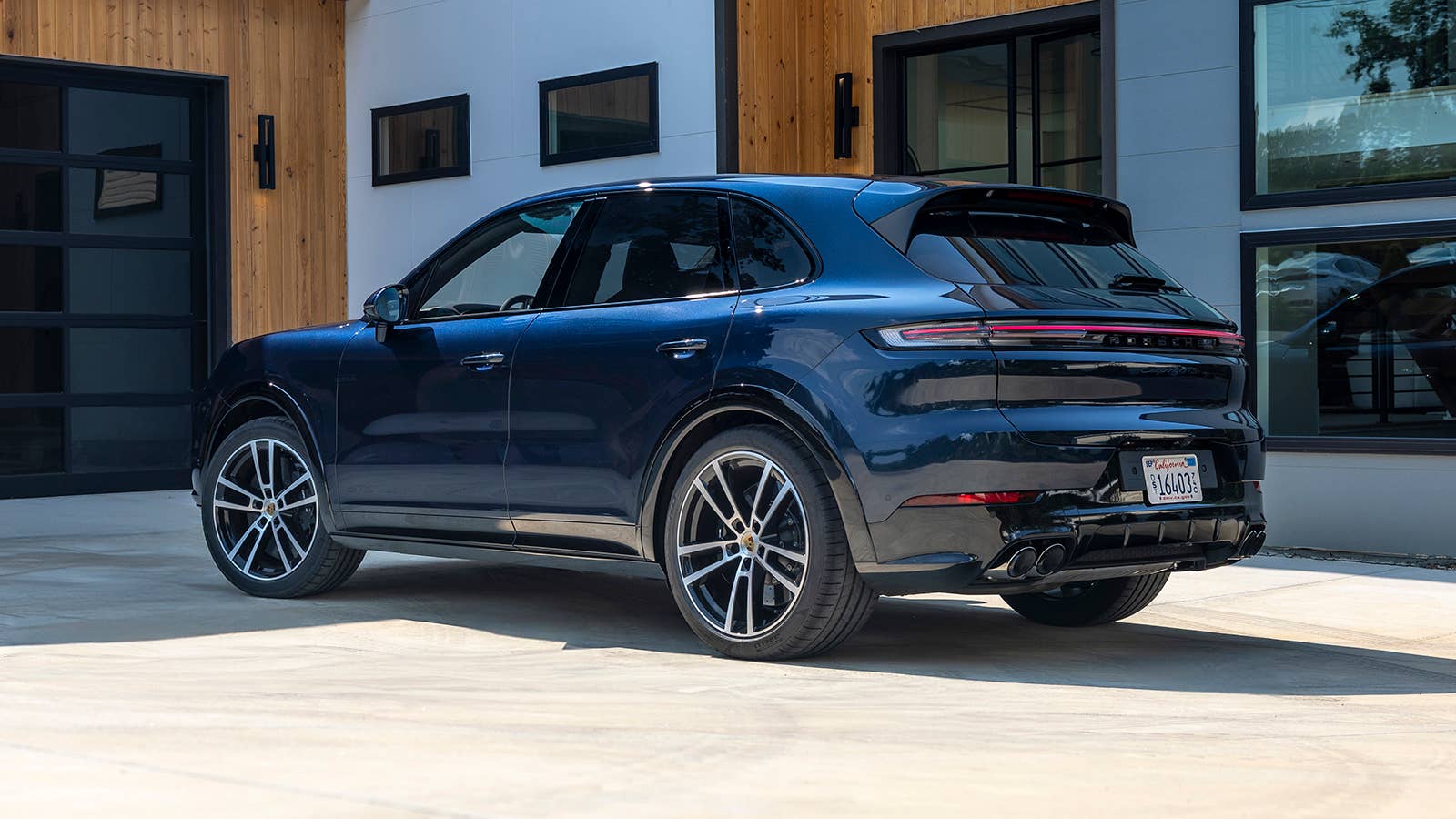
- 2019-2025 Porsche Cayenne
- 2019-2025 Porsche Cayenne E-Hybrid
- 2024-2025 Porsche Panamera
- 2025 Porsche Panamera E-Hybrid
- 2020-2025 Porsche Taycan
The solution will be to introduce a new software version that offers greater resistance to possible signal noise, restoring interrupted camera operation. Vehicles produced between May and June 2025 already feature this new software, which begs the question: Why will Porsche only notify owners on January 16, 2026, and owners on February 16, 2026? We can only assume that there must be some challenge in rolling this software out to dealers, or perhaps in training them to install it. Regardless, owners will have to rely on their rearview mirrors in the meantime.
Are Cars Too Digitized for Their Own Good?
Similar backup camera problems have affected literally millions of Ford vehicles, prompting the Blue Oval to offer a new 15-year warranty on many of its recent and older models, and while Federal Motor Vehicle Safety Standard 111, concerning rear visibility, mandates the fitment of these cameras for their obvious safety benefits, particularly when small children are around, one can’t help but wonder if increased digitization is the cause. Automakers have a solution, however, and analog enthusiasts won’t like it: software-defined vehicles. The idea is that, if cars are more digital and are developed with more technology from the outset, the chances of anything failing will be greatly reduced, and problem-solving will be easier to initiate. Of course, Tesla shows that this path can be its own source of pain.