I’m not really a luxury car kind of person. I can appreciate them, certainly – I’m not made of stone, after all – but my natural state is in a car where the most luxurious material I touch is the good gaffer’s tape I used to cover a tear in some vinyl. So I tend to approach “premium” cars with a sort of bemused resignation, and I think the more cachet the particular marque has, the more subconscious biases I have to wrestle with.
That puts Genesis in an interesting position. They absolutely consider themselves a premium brand, and I think they deliver on that. When I see people snobbily exclude them from the more established ranks of premium cars, I roll my eyes, too. I think Genesis is easily the equal of a Lexus or Infiniti, conceptually, and if I’m honest the experience of driving one around in most day-to-day situations can feel as fancy-trousers as a Mercedes-Benz or Audi or many other more expensive brands.
The truth is that I think Genesis does a damn good job of creating a certain luxurious, premium, high-end, whatever you want to call it, feeling in their cars. They feel special, like little events that you have to find your decent sport coat or nice heels for. I think they do an especially good job with their interiors, too, and I think the key is that they focus a surprising amount on surface detailing and make good use of materials. They look appealing from a distance, but get more and more interesting the closer you get. That’s a big deal, and I’ll look at this more in a bit.
I was loaned a 2026 Genesis GV70 for a week, and I enjoyed the experience. It does a lot of things generally well, though, from a purely utilitarian/basic driving standpoint, I’m not sure it’s necessarily all that much different from a $35,000 or so Toyota RAV4 or Honda CR-V. The GV70 starts a bit over $10,000 more, at about $48,000, and I do think that the Genesis actually does feel significantly, quantitatively more special, more appealing, more everything than those more mainstream crossovers. And since cars are fundamentally irrational things, I think that’s a big deal.
The one I had was the Sport Prestige edition that goes for about $71,000, so keep that in mind.
It Looks Like An AMC Pacer And/Or Porsche 928

Okay, so this is the most interesting thing, at least for me, about the GV70: it’s part of a styling heritage started by the AMC Pacer. Yes, I firmly believe Dick Teague’s oft-maligned widebody, fishbowl masterpiece is the essence of the GV70’s design and why it works, at least from the rear. It’s well-established that the Pacer inspired the look of the rear of the Porsche 928 – the 928’s designer, Tony Lapine, admitted this outright – and while I can’t prove it, I think the designers of the GV70 had to be inspired by the same source. Or maybe the Pacer filtered through the 928. However it happened, I think it happened, and I’m not going to ruin my illusion by actually asking Genesis, because they’d probably just deny it, and I’m not trying to hear that.

This is all to say that I think the GV70 is a really attractive and striking-looking car, and I think it actually stands out in a sea of nearly-anonymous crossovers and SUVs, and that’s something worth celebrating.
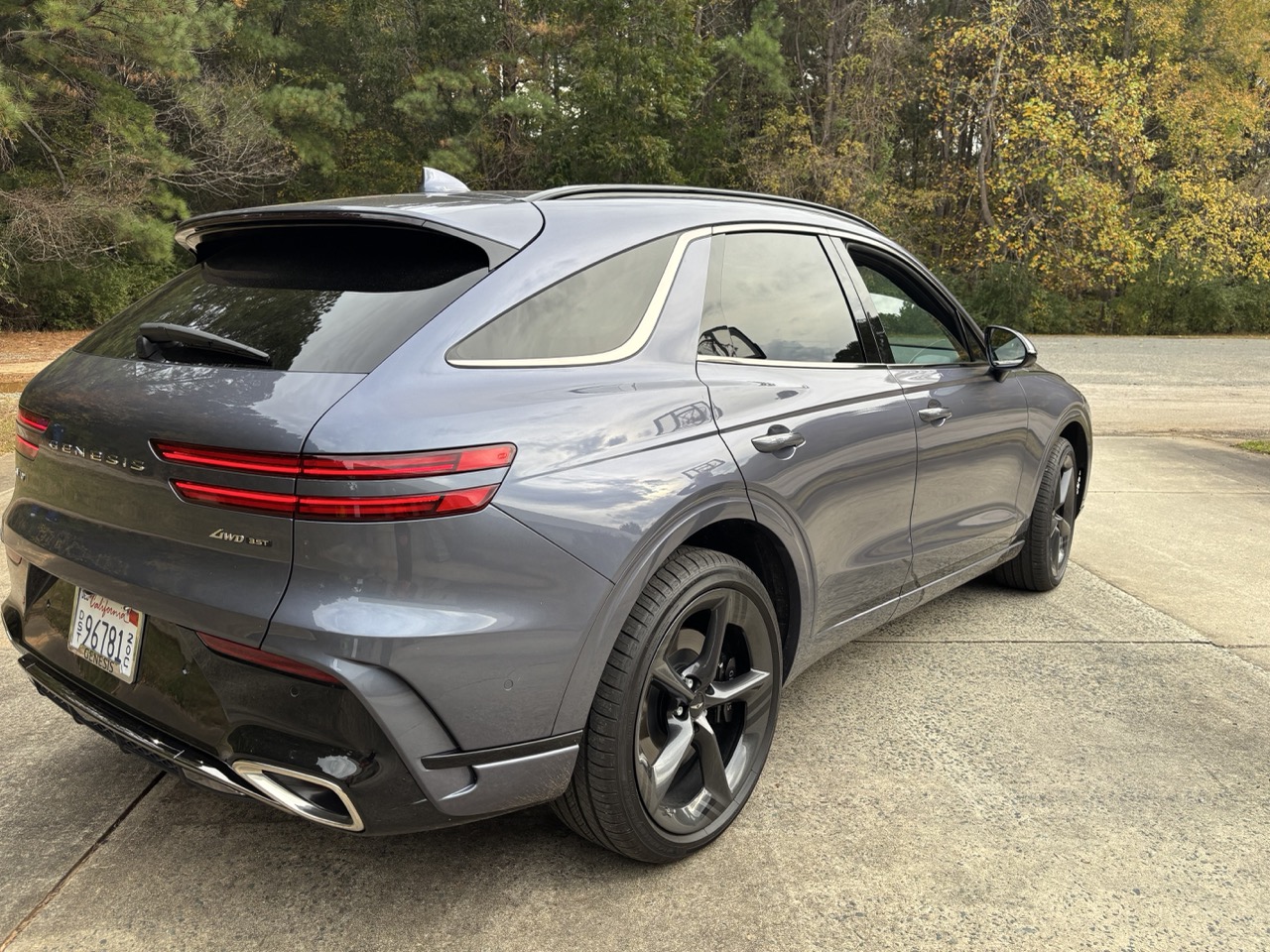
The rear quarter is by far the most interesting angle, and I love the wide dual-stripe wraparound taillights and the graphics of the windows and the chonky haunches of the rear. I’ll even excuse the attempt to sneakily re-introduce a landau bar, like so many modern crossovers and SUVs are trying to do:

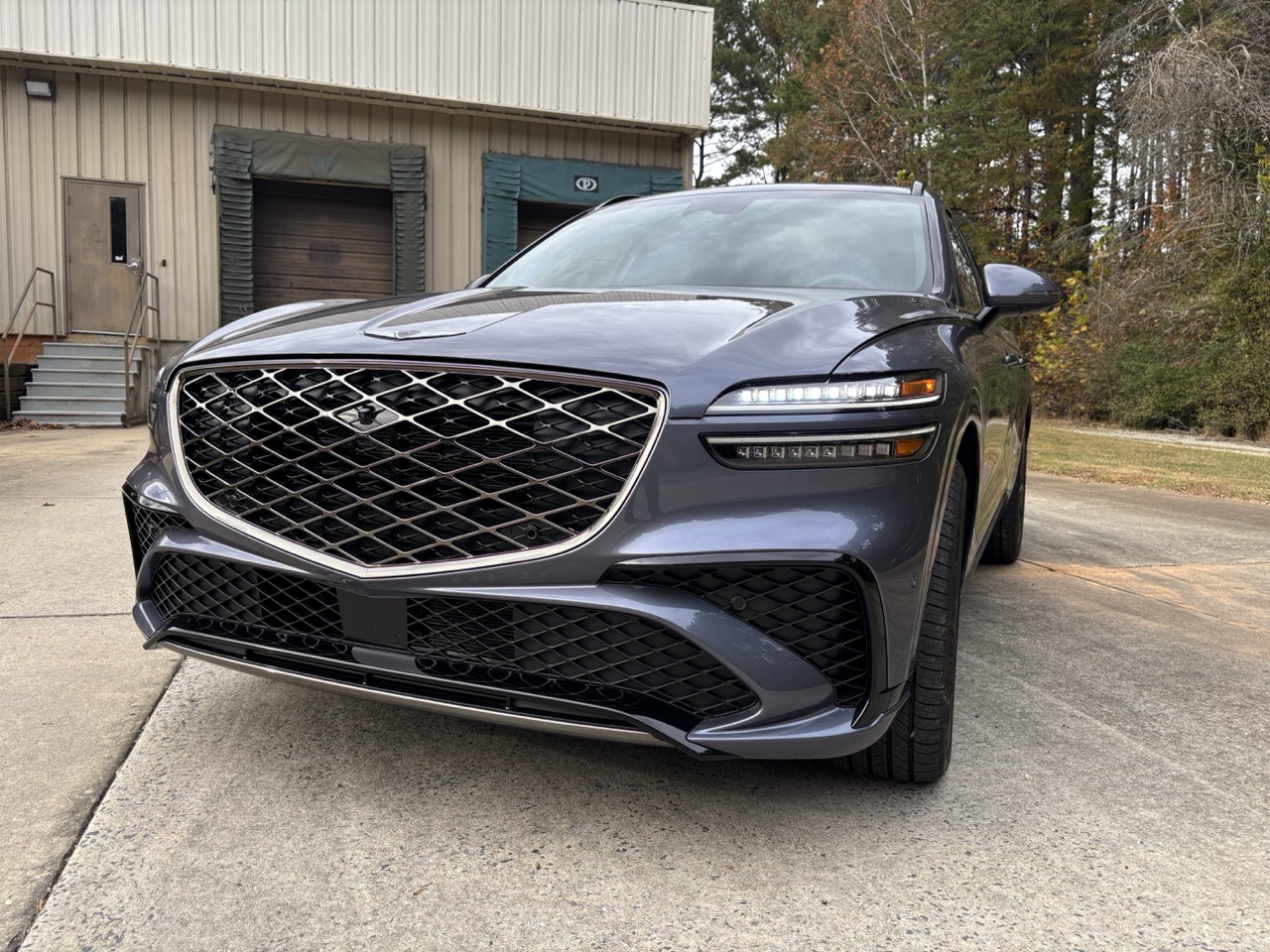
Around front, I think Genesis does a good job as well, as they have established a pretty unique design vocabulary that they stick to quite effectively: the dual-horizontal-stripe lighting, the big, shield-shaped grille, the quilty pattern of the grille mesh that carries over into the inside and the upholstery, even that sort of archer’s bow shape to the detailing in the lower grille area. The thing has some presence.
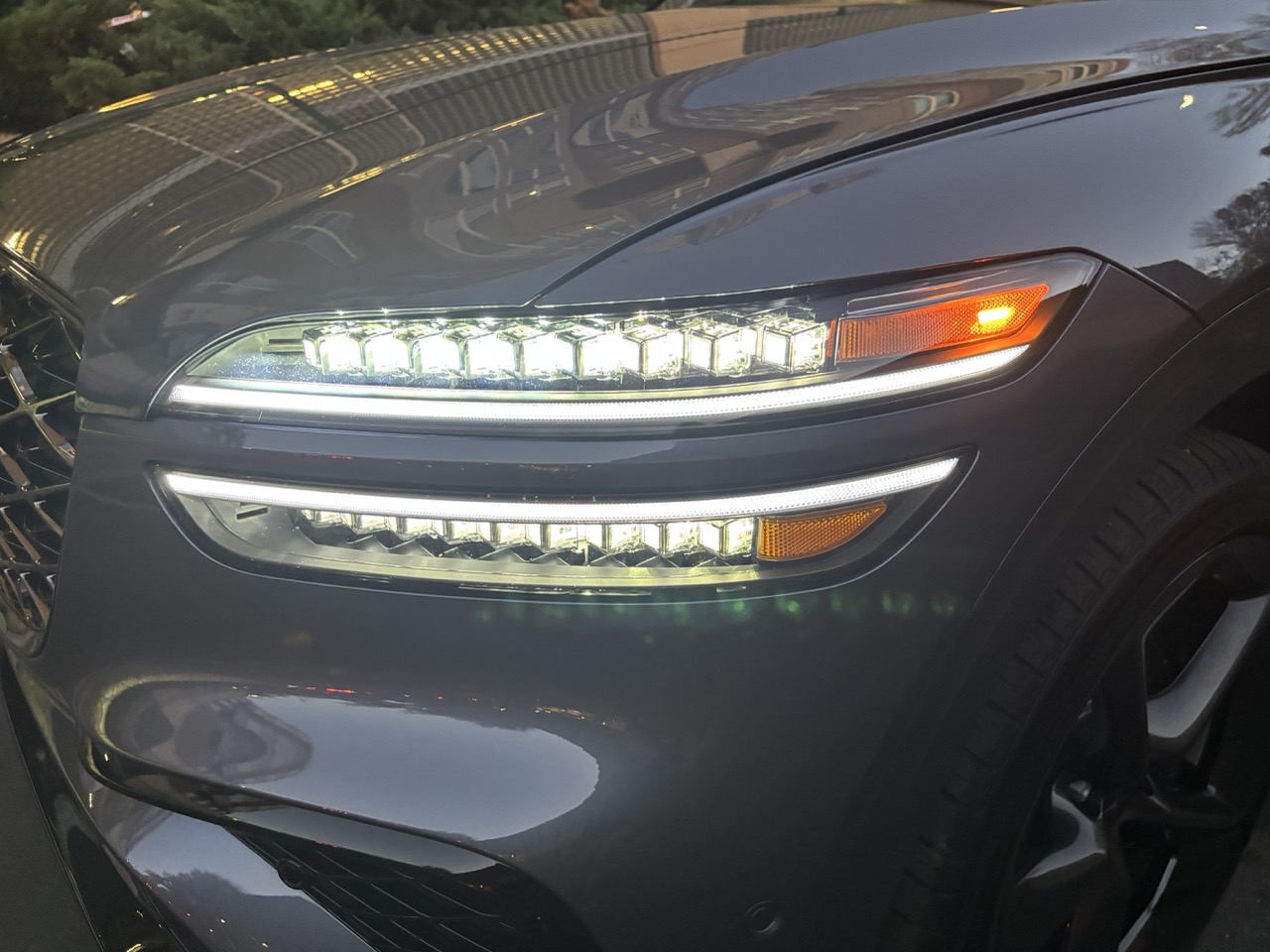
And, like the interior, the GV70 rewards close scrutiny, with some nice visual treats to be enjoyed if you, say, have one of these run into you as you’re trying to cross the street. When you get knocked to the ground, I suggest taking a moment to really look at these headlamp units, which feature 18 separate, cube-shaped light units, nine above and nine below:
The GV70 looks good, and, more importantly, doesn’t really look like everything else out there. It’s imposing without being overly aggressive, it’s luxurious seeming without feeling overdone, and it has an athletic, capable-looking stance. We often buy cars based pretty heavily on how we feel when we turn around to look back at them sitting in a parking lot, and I think the GV70 holds up well to that test.
What’s Inside
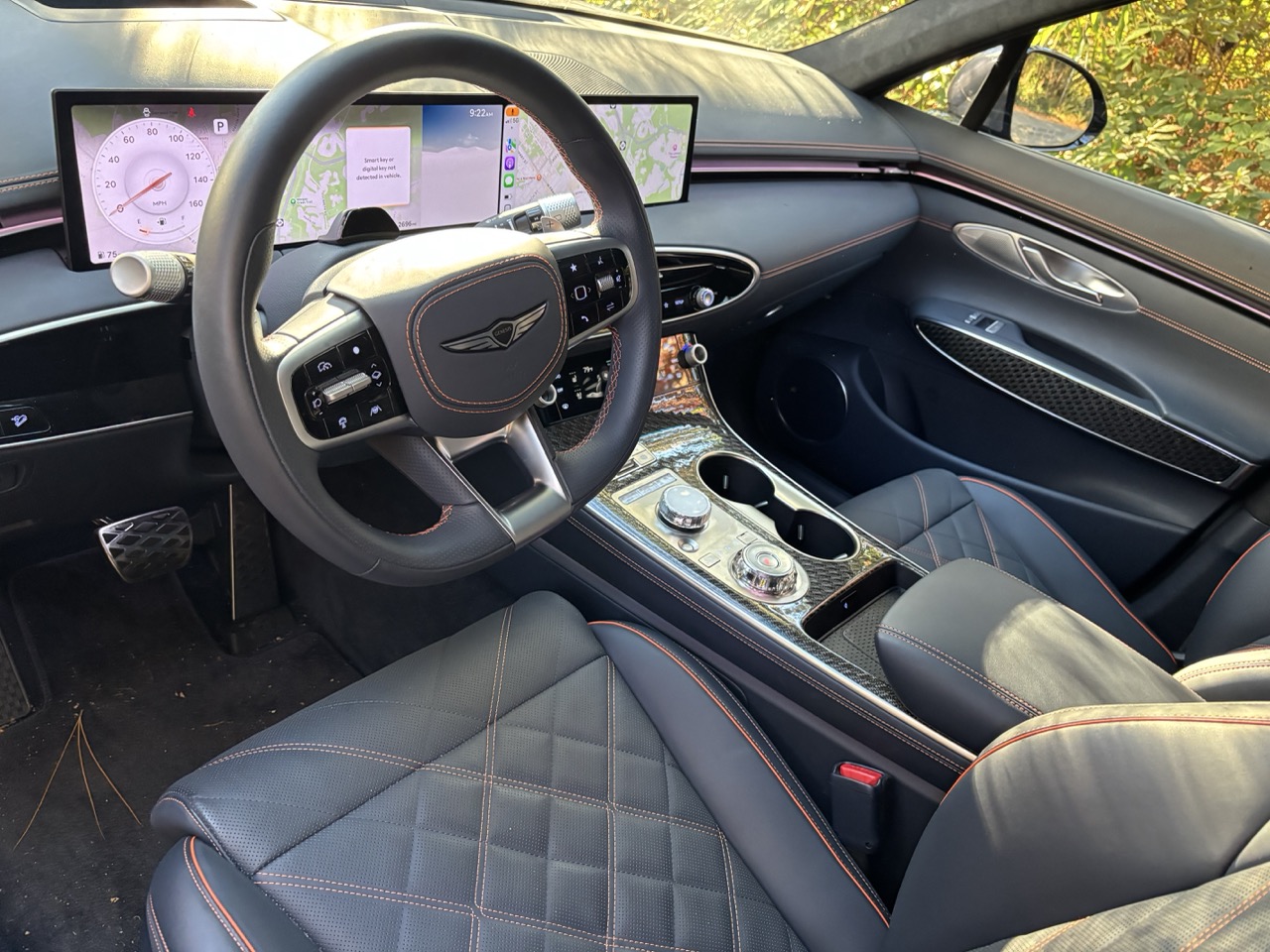
Ideally, if you owned this car, most of your time with it would be spent inside it, which is a good thing, as the interior is quite comfortable and feels quite carefully thought out. If you’re not fond of screens in cars, you likely should give the GV70 a pass, because this car absolutely revels in its screens. Now, that’s not to say Genesis has gone over to the miserable dark side of all-touch-screen controls, because they haven’t; there’s a lot of actual, real physical controls available, but there is also one absolutely massively wide panoramic screen.
I mean, it’s vast; you can’t really photograph it all in one shot, unless you’re standing outside the car, like in the picture above there. From the driver’s seat, you have to deal with it in county-sized sections. It’s all one contiguous display, and it all flows together in a satisfying way, so working from in front of the driver you have your main instruments, rendered with just enough skeuomorphic silliness to please the old-school analogue gauge contingent:
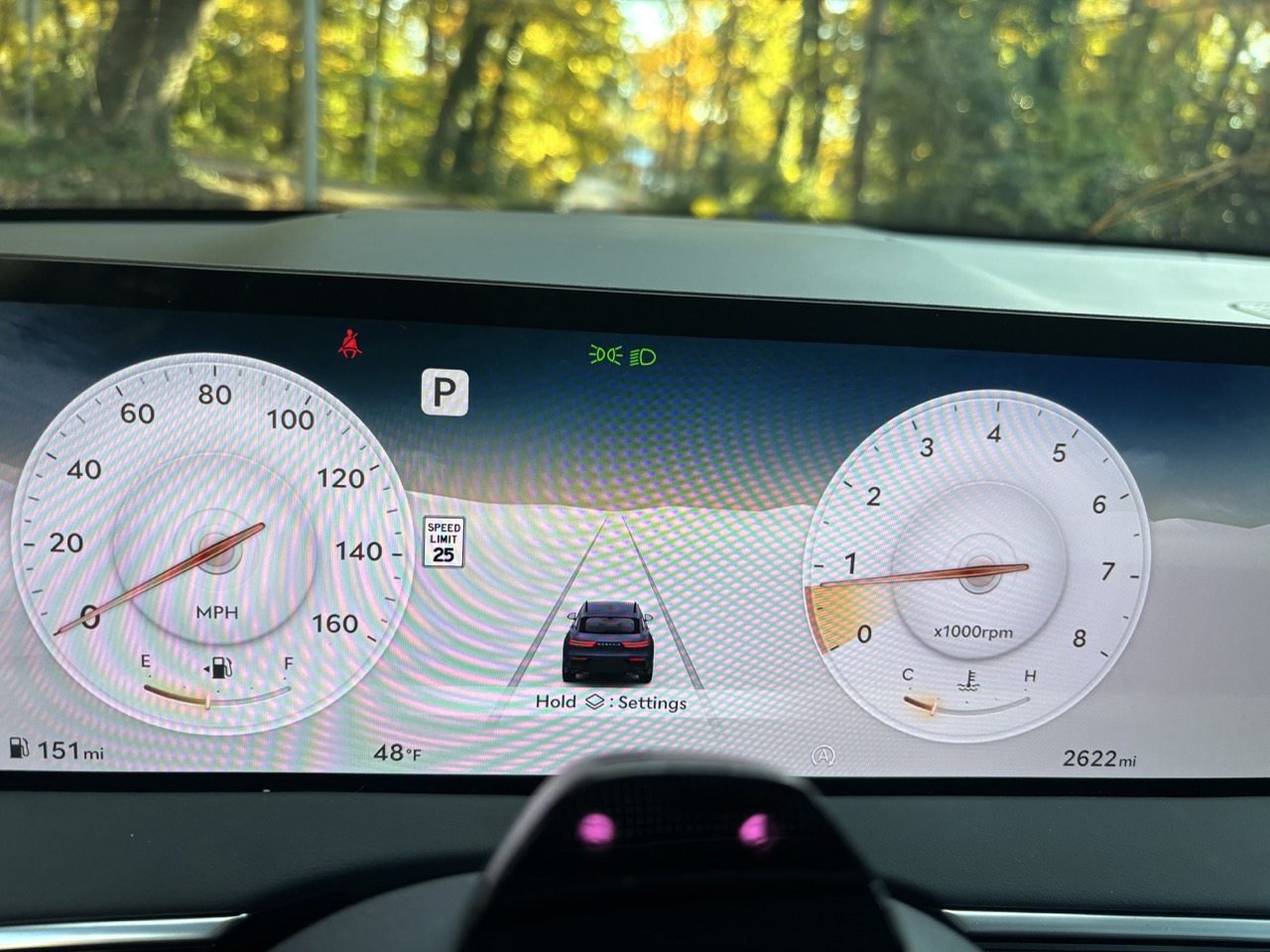
Those two purple glowing eyes on that shadowy ghost figure emerging from the bottom of the photo are the infra-red lights used by the driver monitoring camera, employed by the Level 2 driving assistance system to make sure you’re actually paying attention, or at least pretending to with your eyeballs pointed in roughly the right spot.
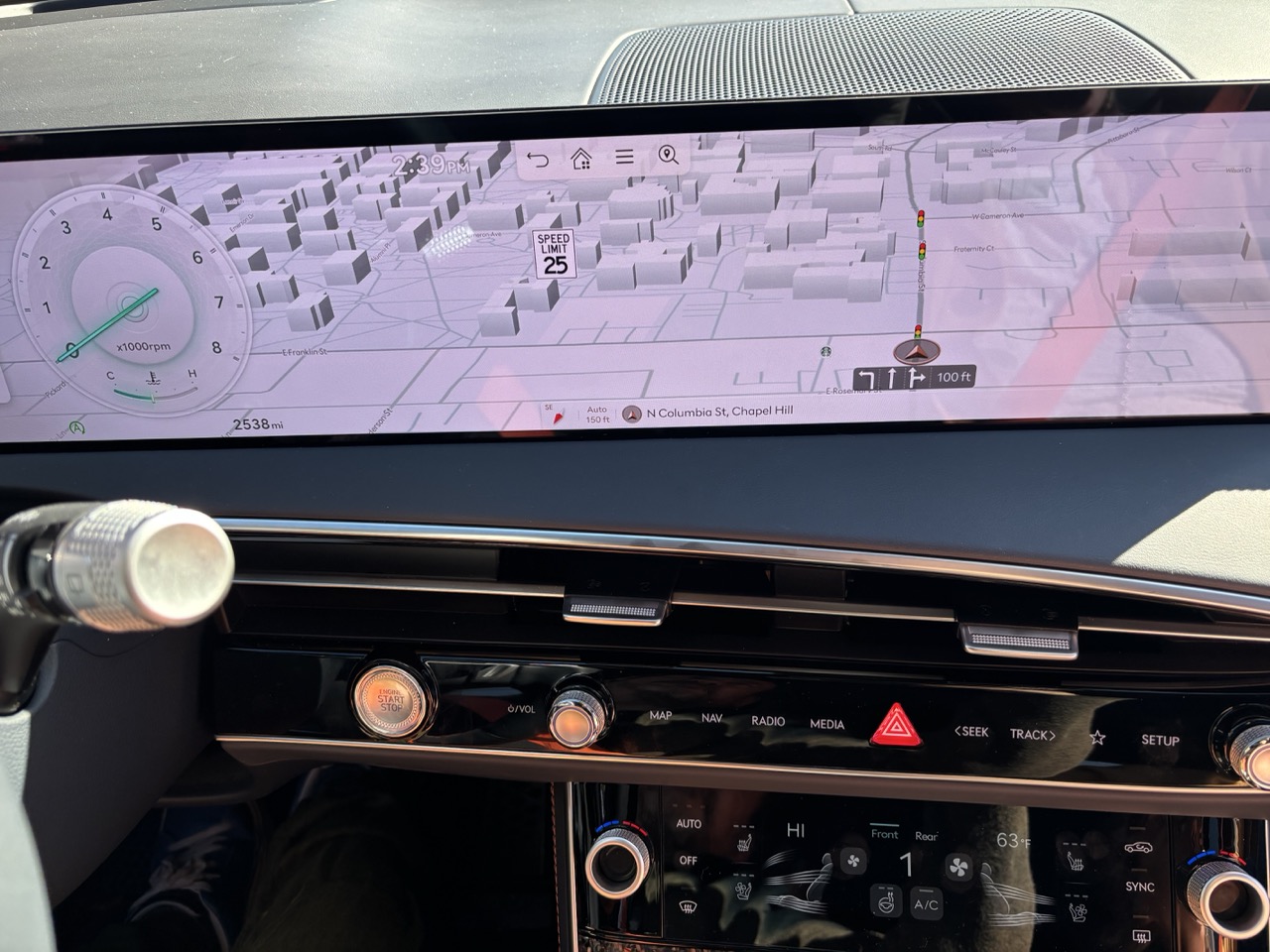
In the middle, you have a vast, monochrome 3D map display (among many other options, including Apple CarPlay or Android Auto):
…and finally at the other end, you get some specific context-based information and control displays, like this one that comes up when you adjust the seat:
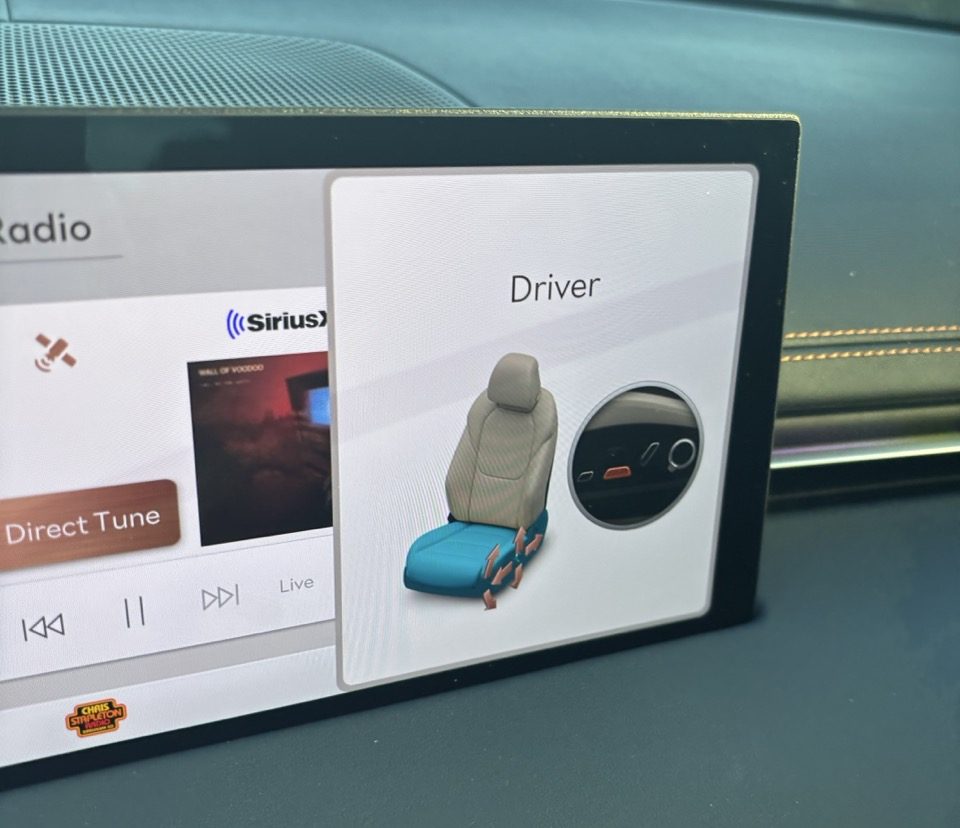
Actually, now that I mentioned that, I think I may need to go into this further, because this is something that I feel like Kia/Hyundai/Genesis do better than almost everyone else when it comes to in-car UX: they add a visual confirmation element to controls that normally lack it. Like the seat adjustment here; they don’t have to visually show you what you’re adjusting on the seat, but it actually does help! And, even better, they provide a visual reference when you adjust your wipers, something that I think is wildly helpful and more automakers should emulate:
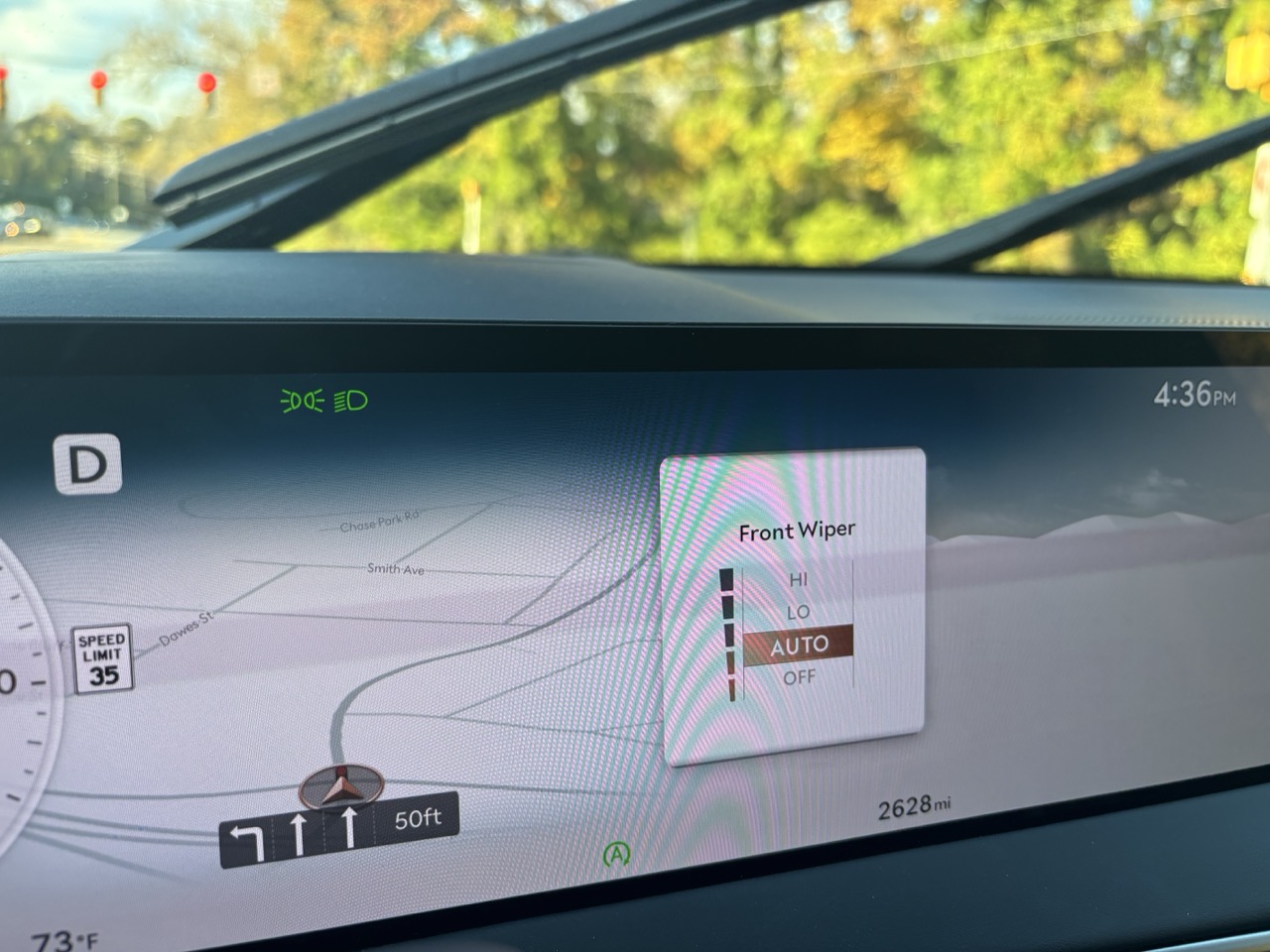
I feel like on so many cars I fumble around with the wiper knob or stalk, and just having a visual confirmation of what setting I’ve put it in is significantly helpful.
Let’s Keep Talking About UX and Electronic Stuff, I Suppose
You know what else the GV70 UX does that I like? While they have a touchscreen-based setup for their HVAC controls, it’s an always-available, separate touchscreen, so you never need to faff about with menus or pop-up windows just to, say, change which vents the air is blowing from. Plus, there are still physical knobs for temperature adjustment.
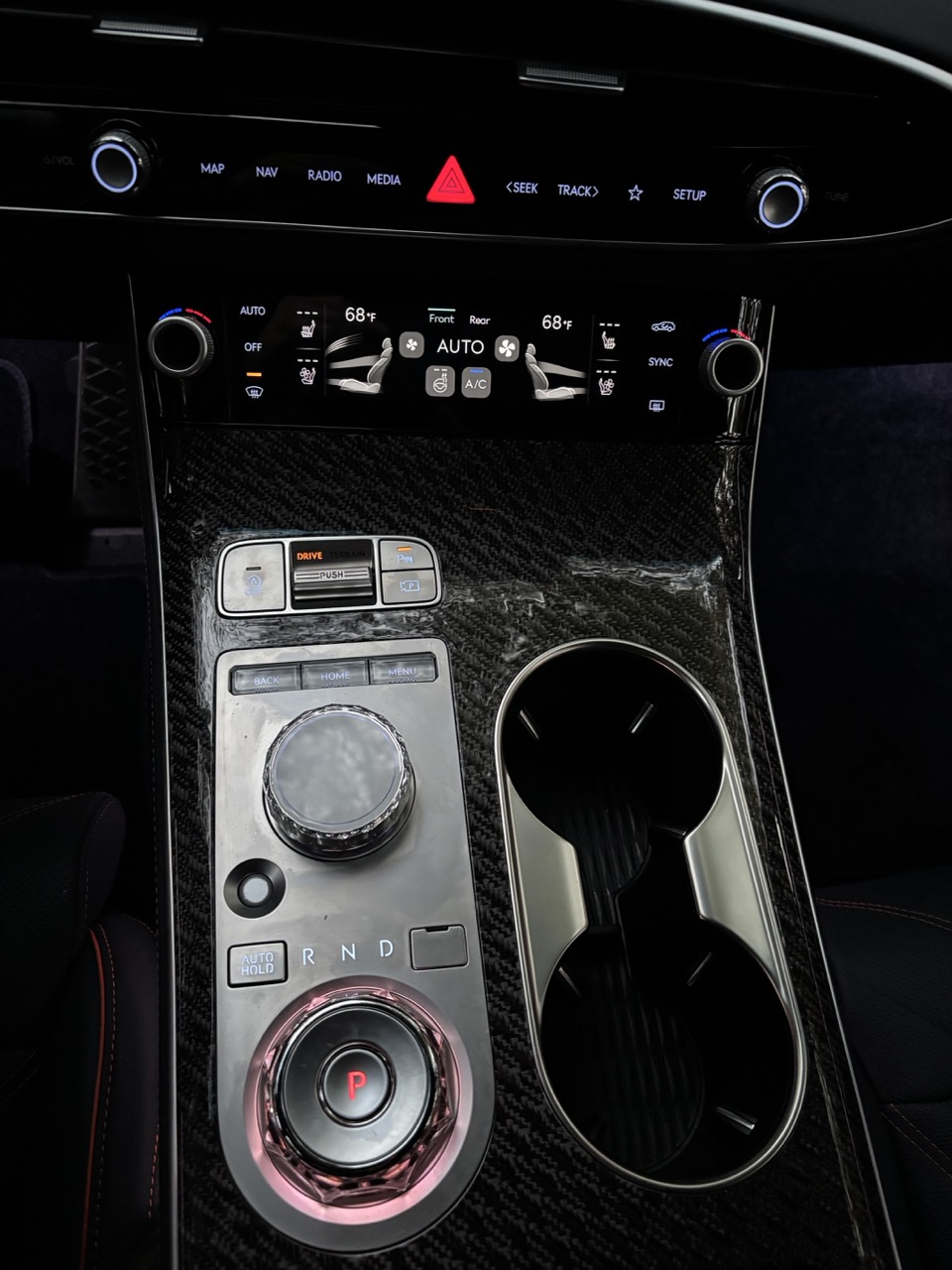
See the little display above the cupholders and rotary shifter that looks and feels almost exactly like those bathroom sink fixtures that were ubiquitous when I was growing up? You know the ones:

The crystalline knobs and rotary dials feel like that to me, and while I appreciate the visual and tactile detail of them, I still think the big rotary gearshift is a waste of space. Just make a column shift, already. It’s fine, and it’ll free up a huge chunk of that center console! It’s not a manual, you don’t need to grab that gear knob all the time, so get it out of the way!
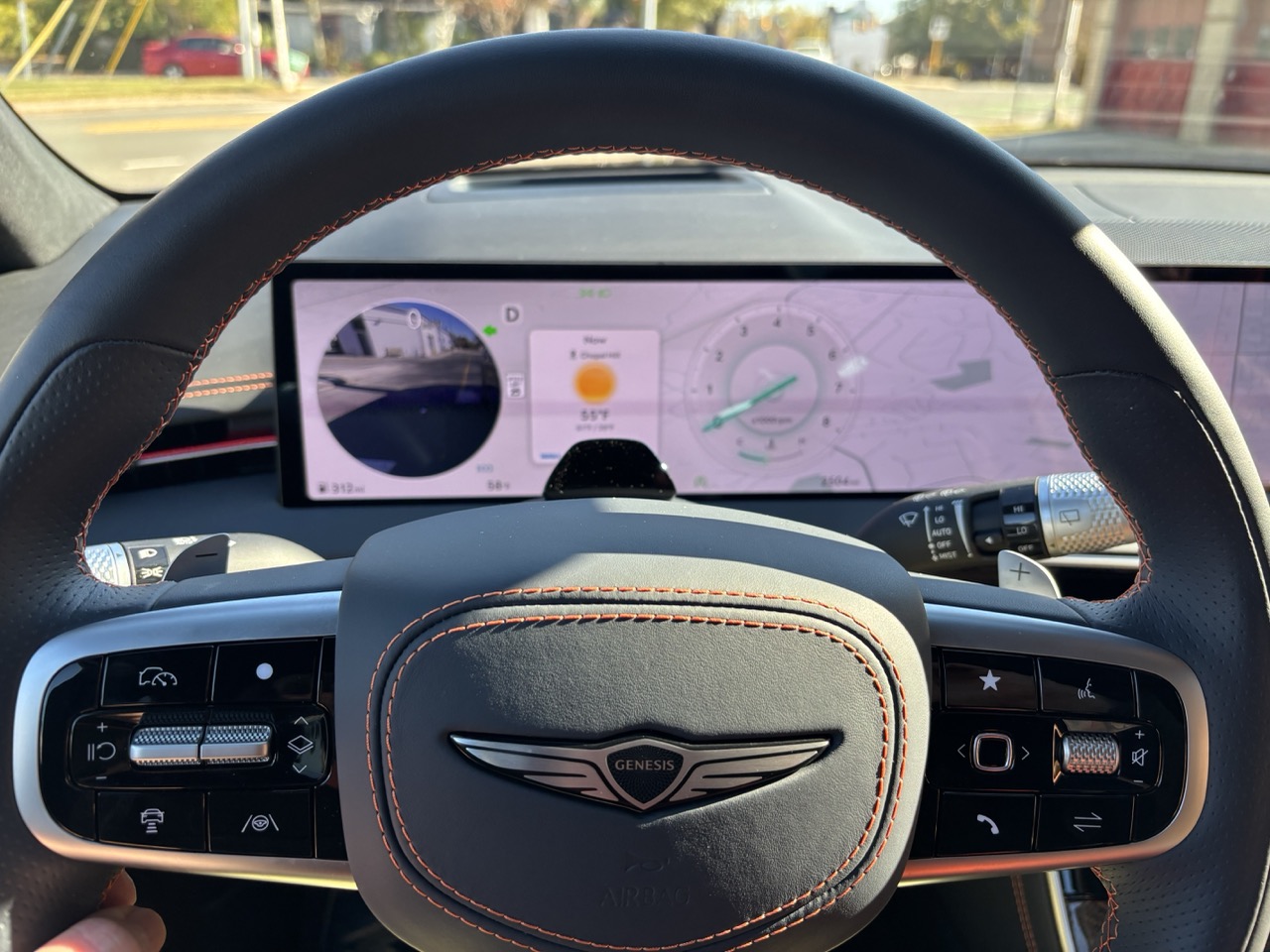
The steering wheel controls are also especially nice on the GV70; the textured thumbswitches and rollers actually feel great to use, and I usually don’t think to use steering wheel controls. In the instruments behind the wheel, you can see another nice feature: when you use the turn signal, the car turns on the camera to whatever direction you’re turning, and replaces either the right or left gauge with a camera feed. It’s useful.
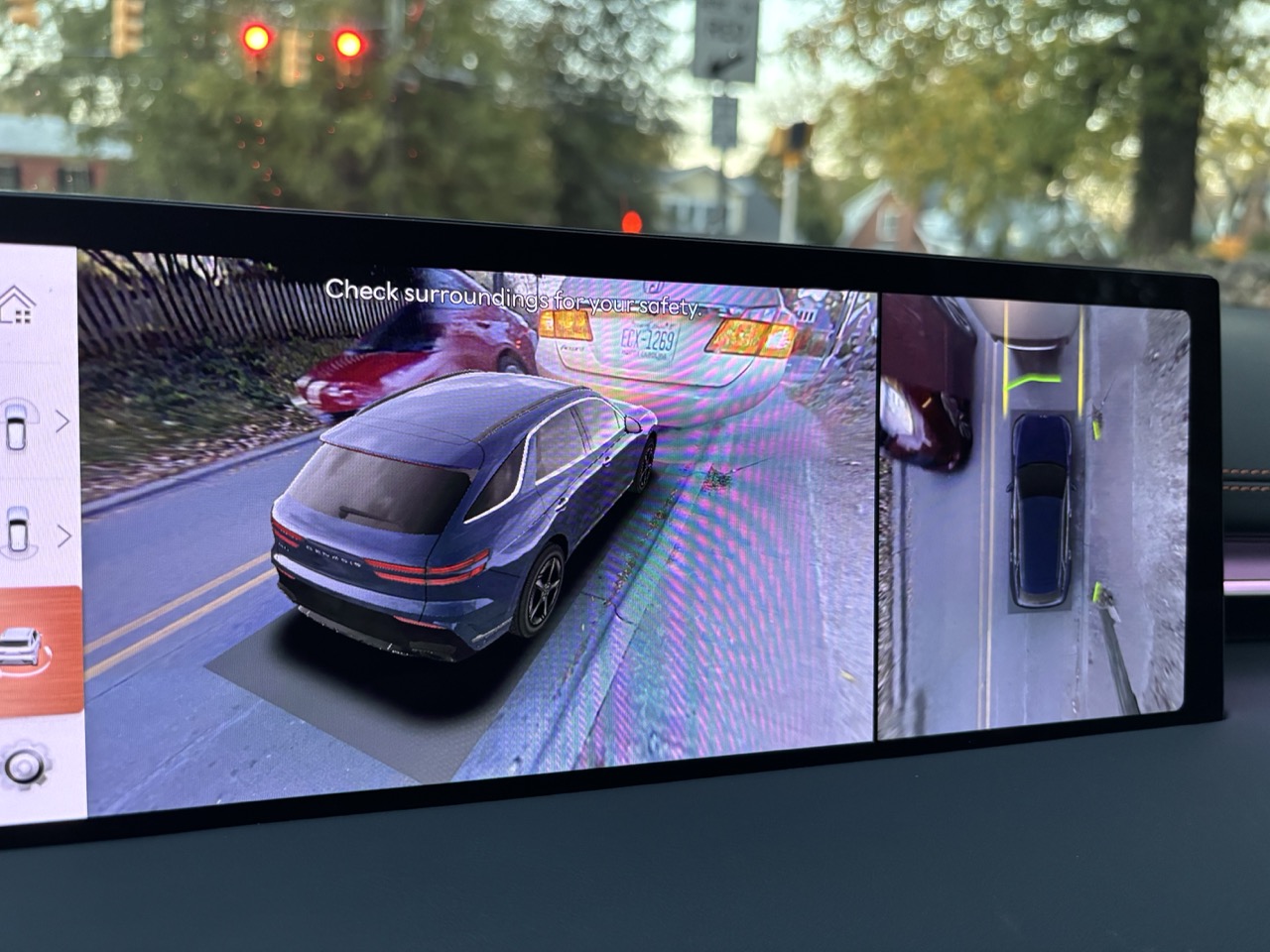
Also useful but also comical is how the GV70 can provide a third-person 3D view of the car in its surroundings, which can make tricky parking or maneuvering much easier. But thanks to some mathematical quirk, when it skews the camera images and calculates where to place that 3D model of itself in the scene, it always portrays itself looking comically tiny.
Look at that little GV70! It’s barely taller than the bumper of the car in front of it! Hey little guy!
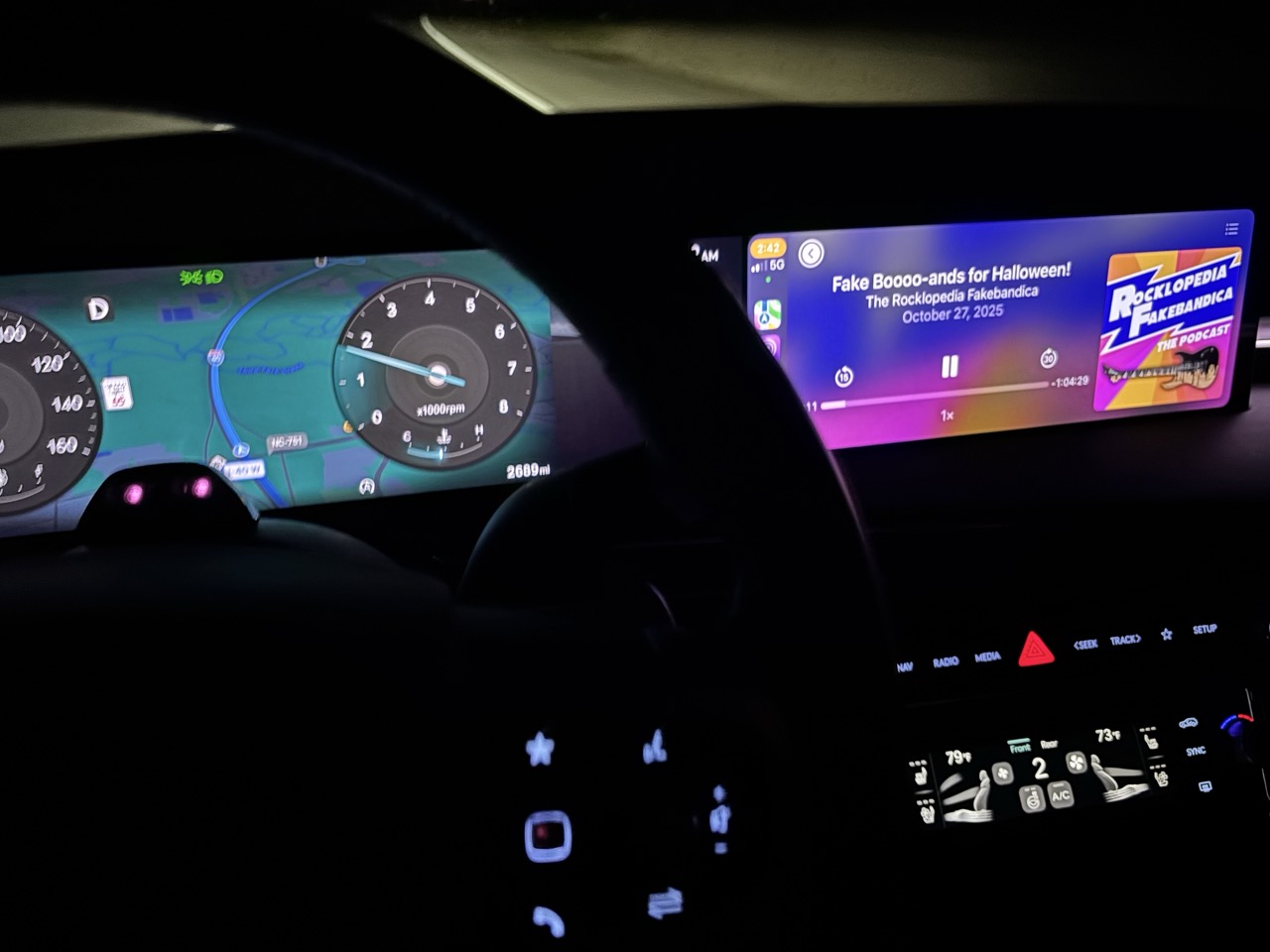
Overall, the GV70 has pretty much all the electronic candy you’re likely to want – which, for most people just means CarPlay or Android Auto – but it manages to not make it the car’s entire personality, which feels like a common failing in this space.
The Soft Parts Of The Interior
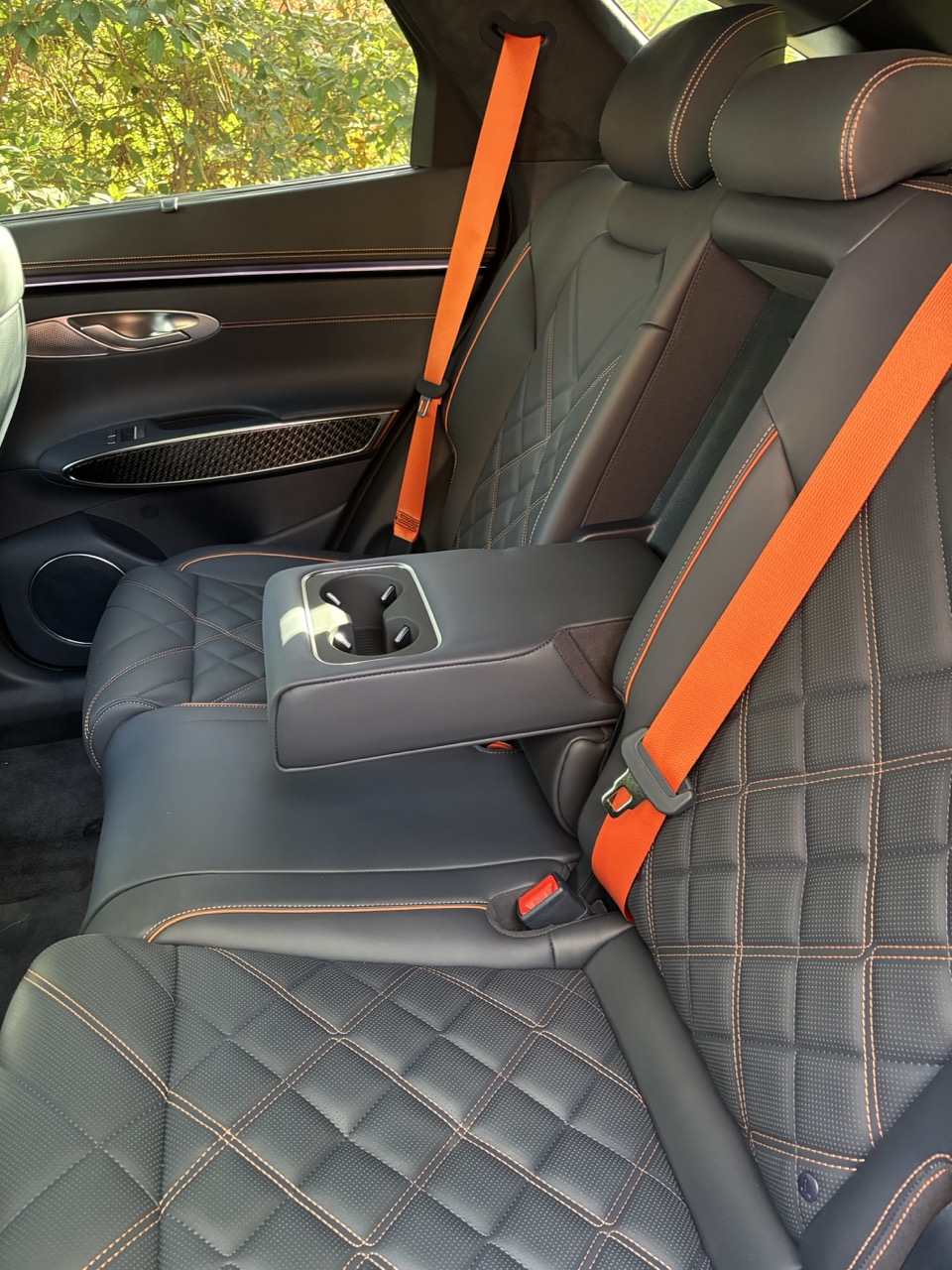
Remember I mentioned the quilty look of the grille carrying over into the car’s interior details? You see the motif on the texture of knobs and switches and, of course, on the seats, which are really quite comfortable, all through the car.
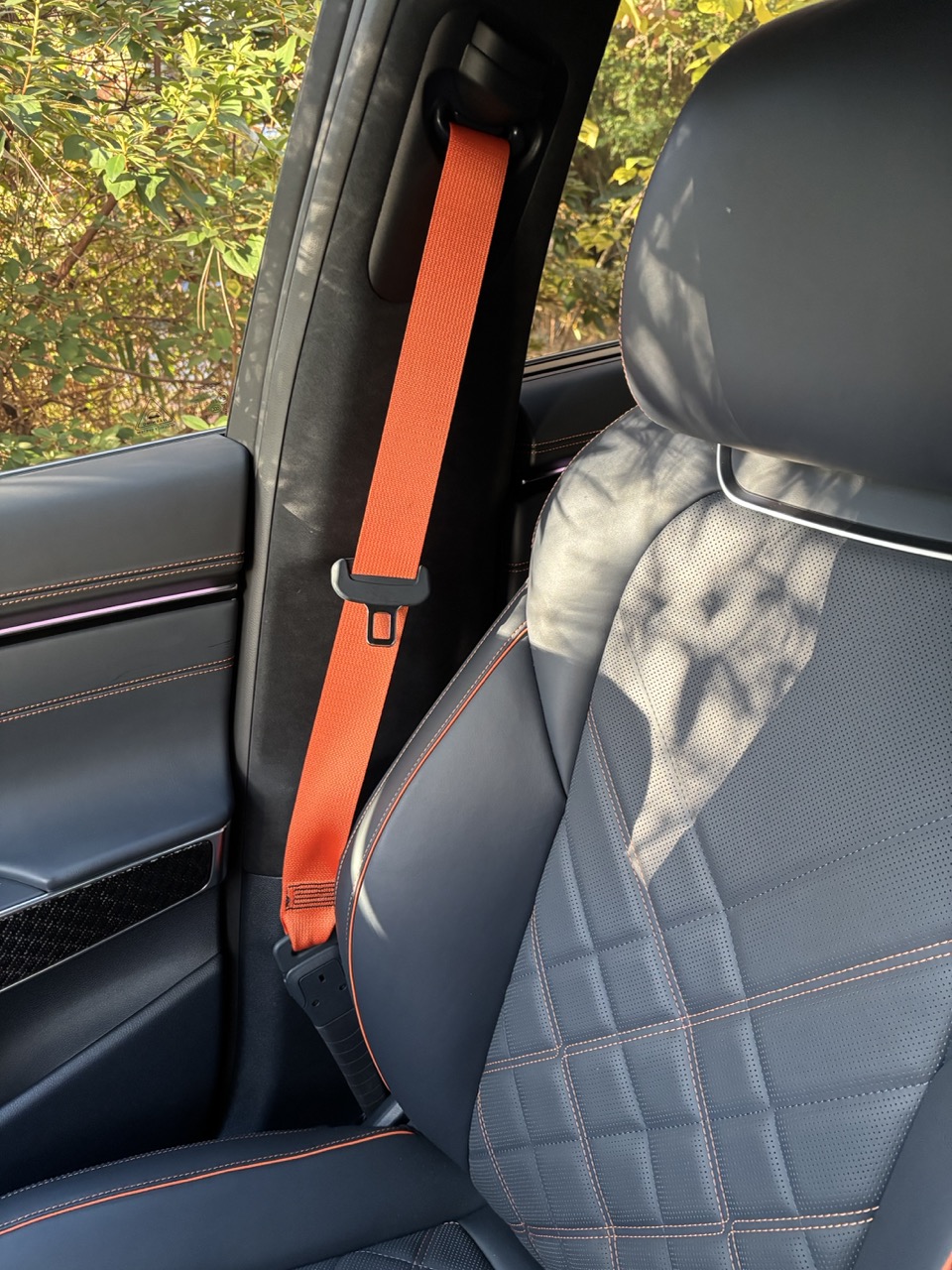
The orange stitching and seat belts I think are a great touch; car interiors tend to be too bland and monochromatic, so seeing intense pops of color like this is extremely welcome.
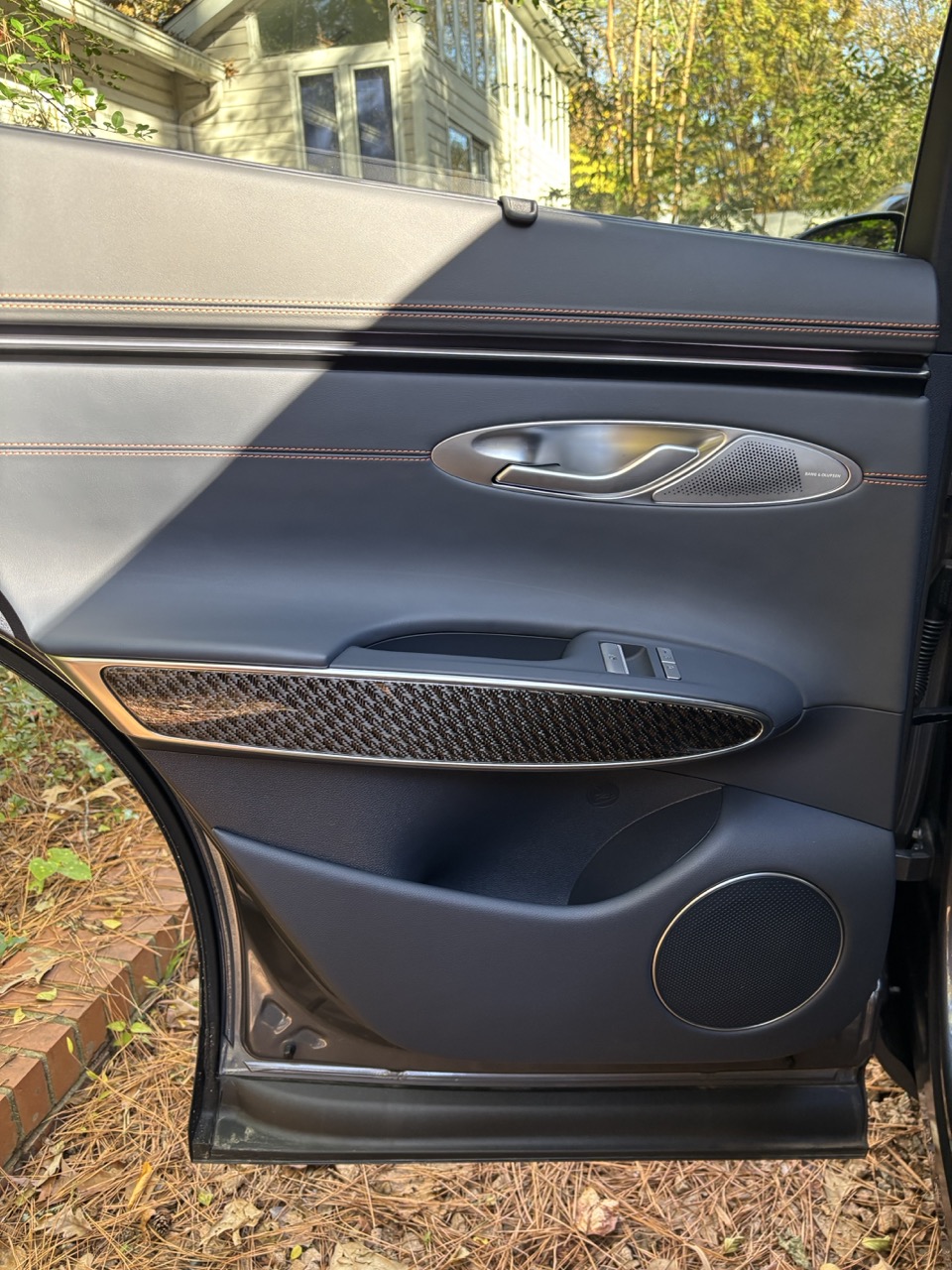
I like to think that Genesis’ interior designers have looked carefully at the minimalistic interiors of cars like Teslas and thought, huh, no thanks, and then gone ahead and designed their interiors with all kinds of textures and curves and perforations and stitching and whatnot. And I think it works.
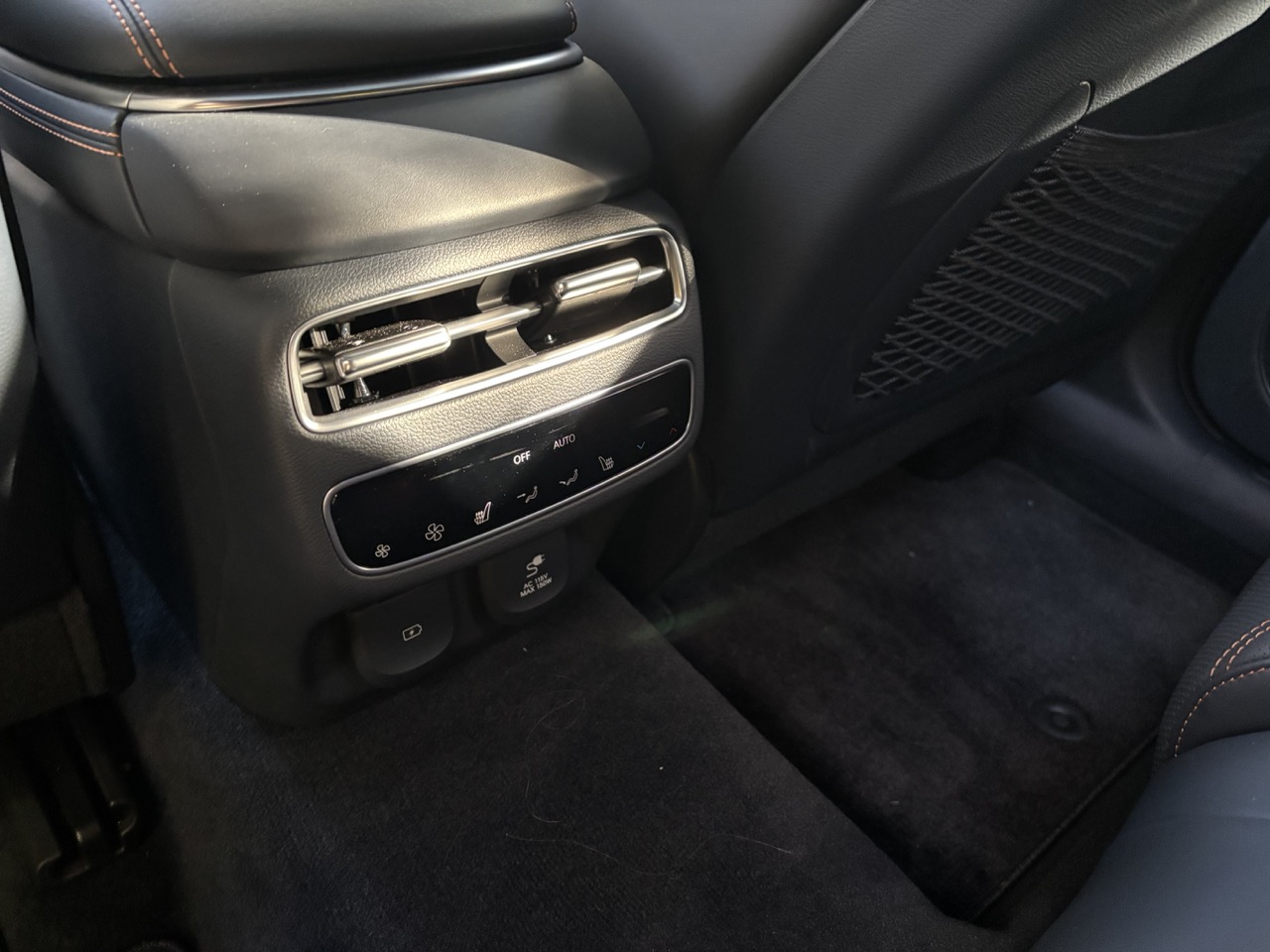
Rear seats get their own HVAC controls, which is nice, and also a 110V wall-type outlet for belt sanders and Hitachi Magic Wands.
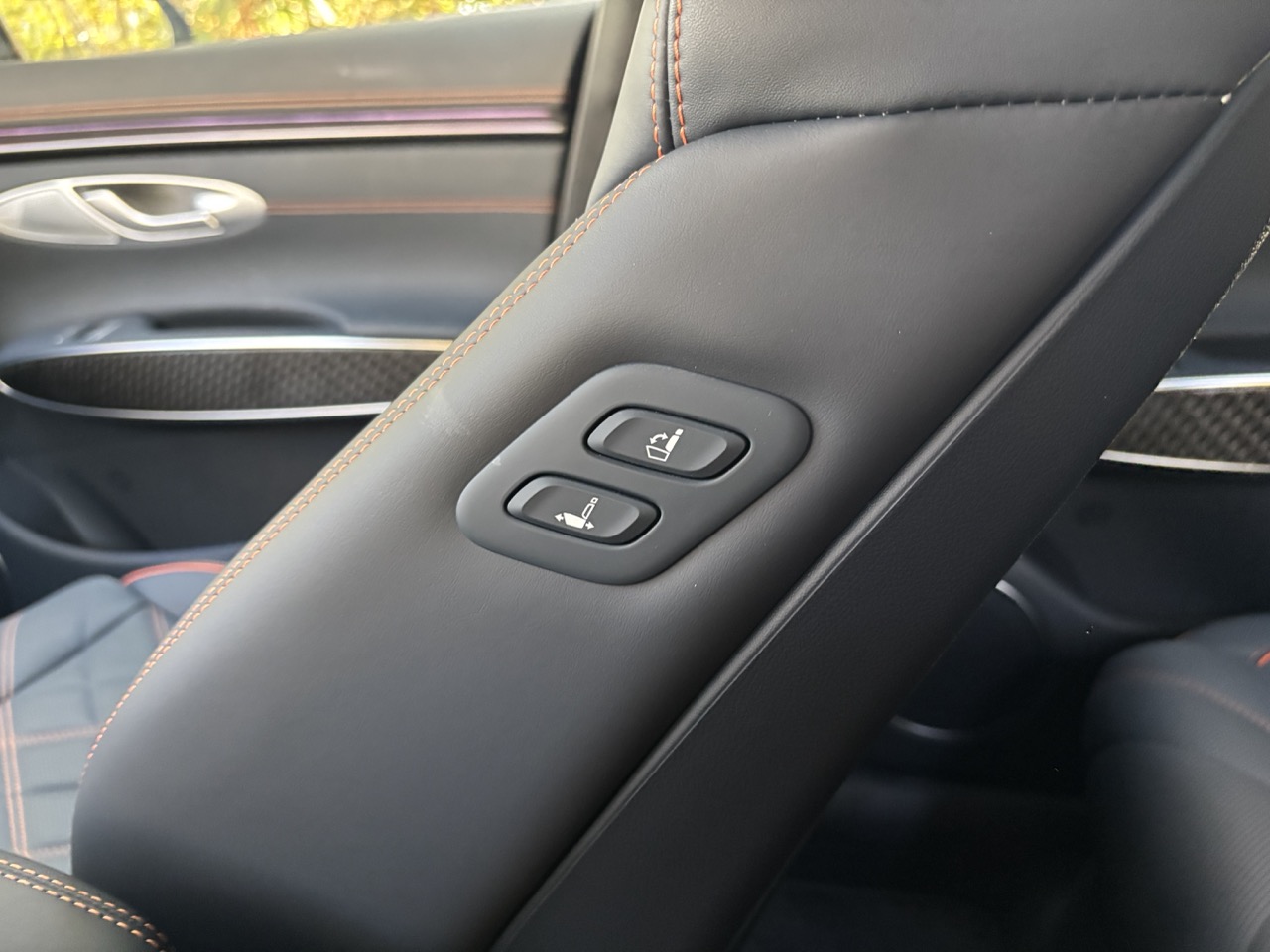
Also nice for rear passengers are these rear-seat-accessible seat adjustment controls, so if you’re chauffeuring people around, they can give themselves more legroom. Or, I suppose, deny themselves more legroom if they’re feeling penitent.
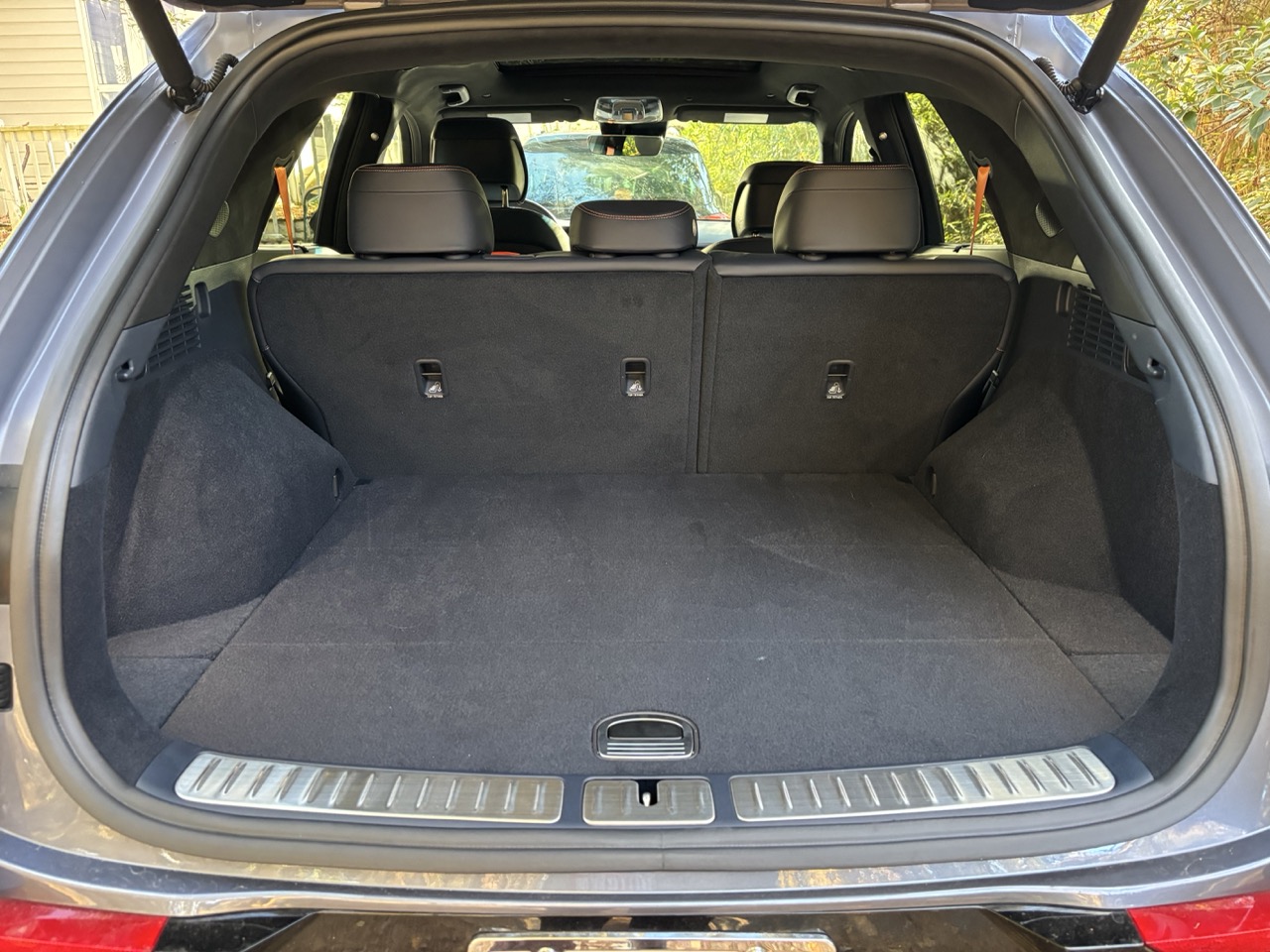
The cargo area is quite generous, even with the rear seats up, and I appreciate some little details here, like how the rear bumper reflectors wrap up and over the bumper:
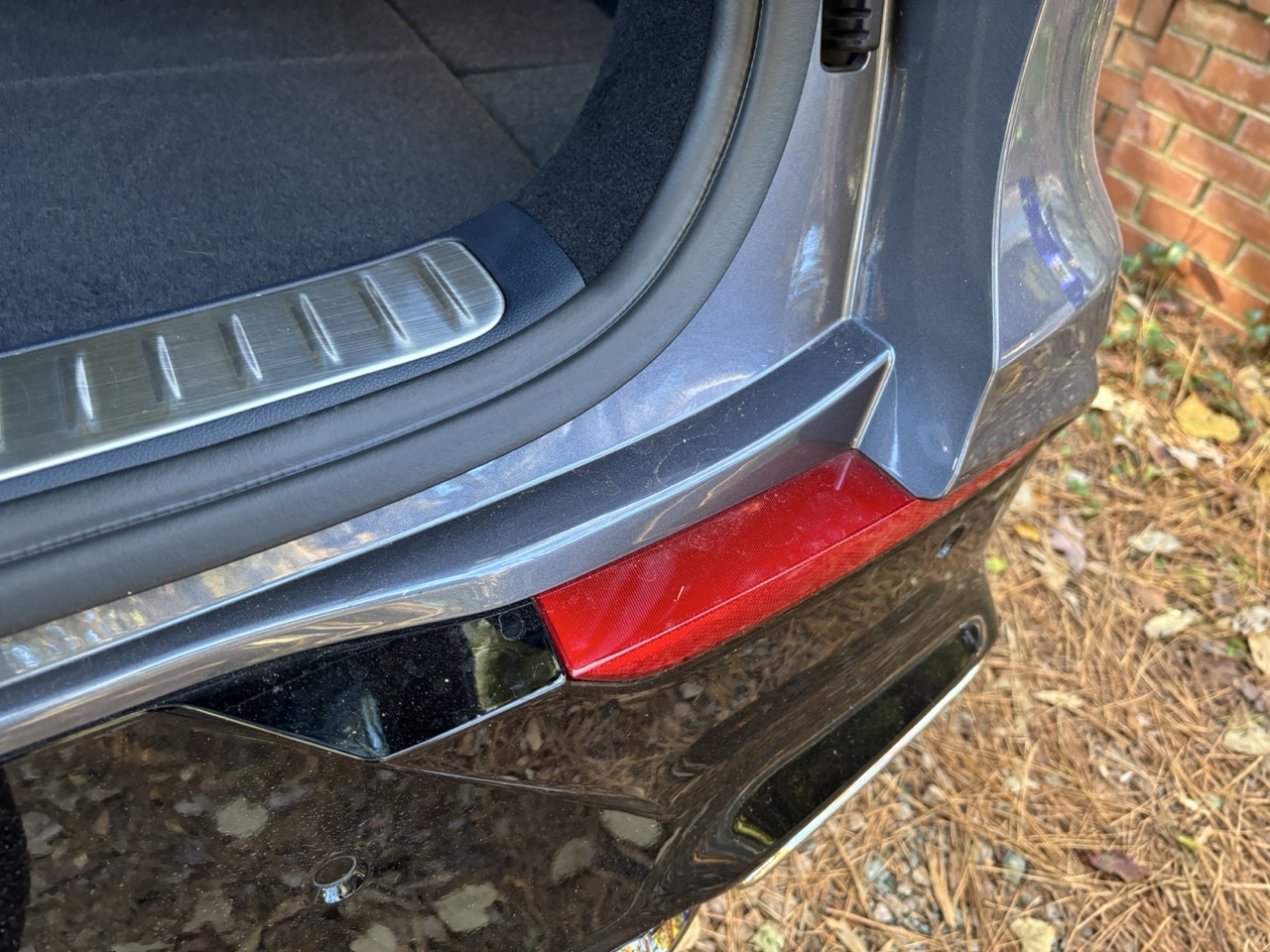
I don’t know if that’s useful in any way, but it looks cool.
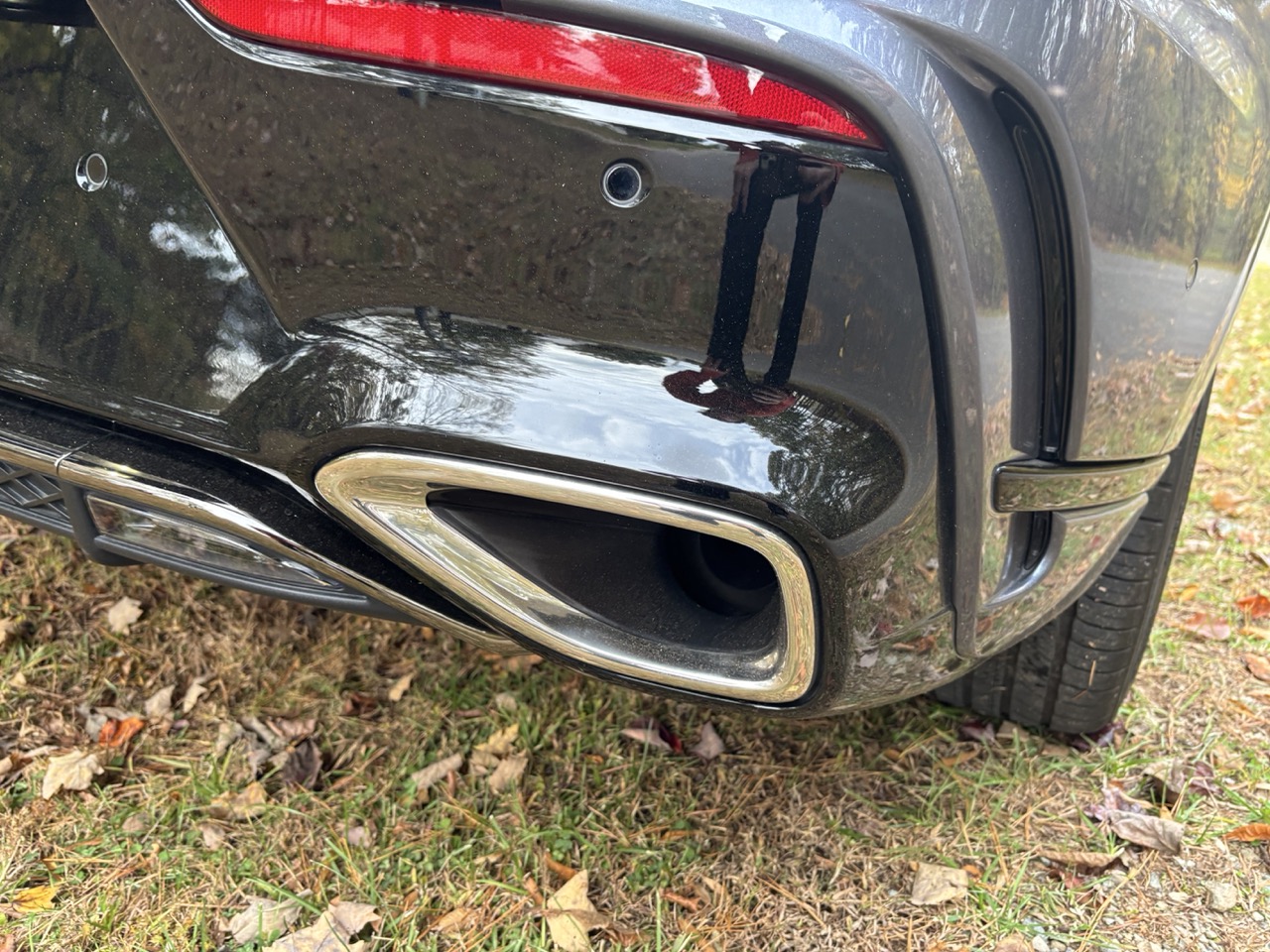
While we’re down here, I have to admit that I can’t remember if these exhaust tips are fake or not. If they are fake, I have opinions. If not, great job, Genesis.
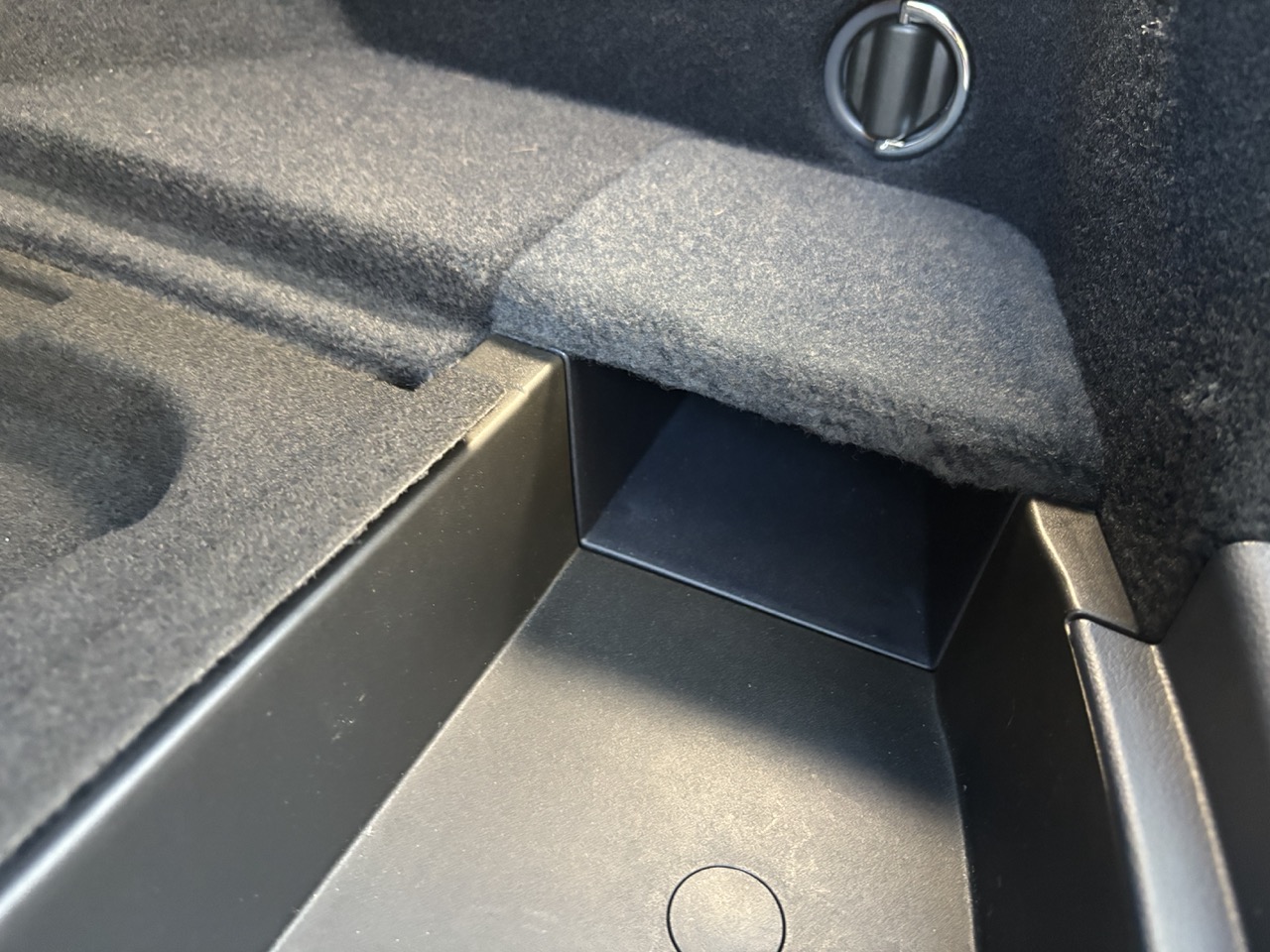
There’s a nice hidden storage compartment in the back there, too, ideal for long items like party subs.
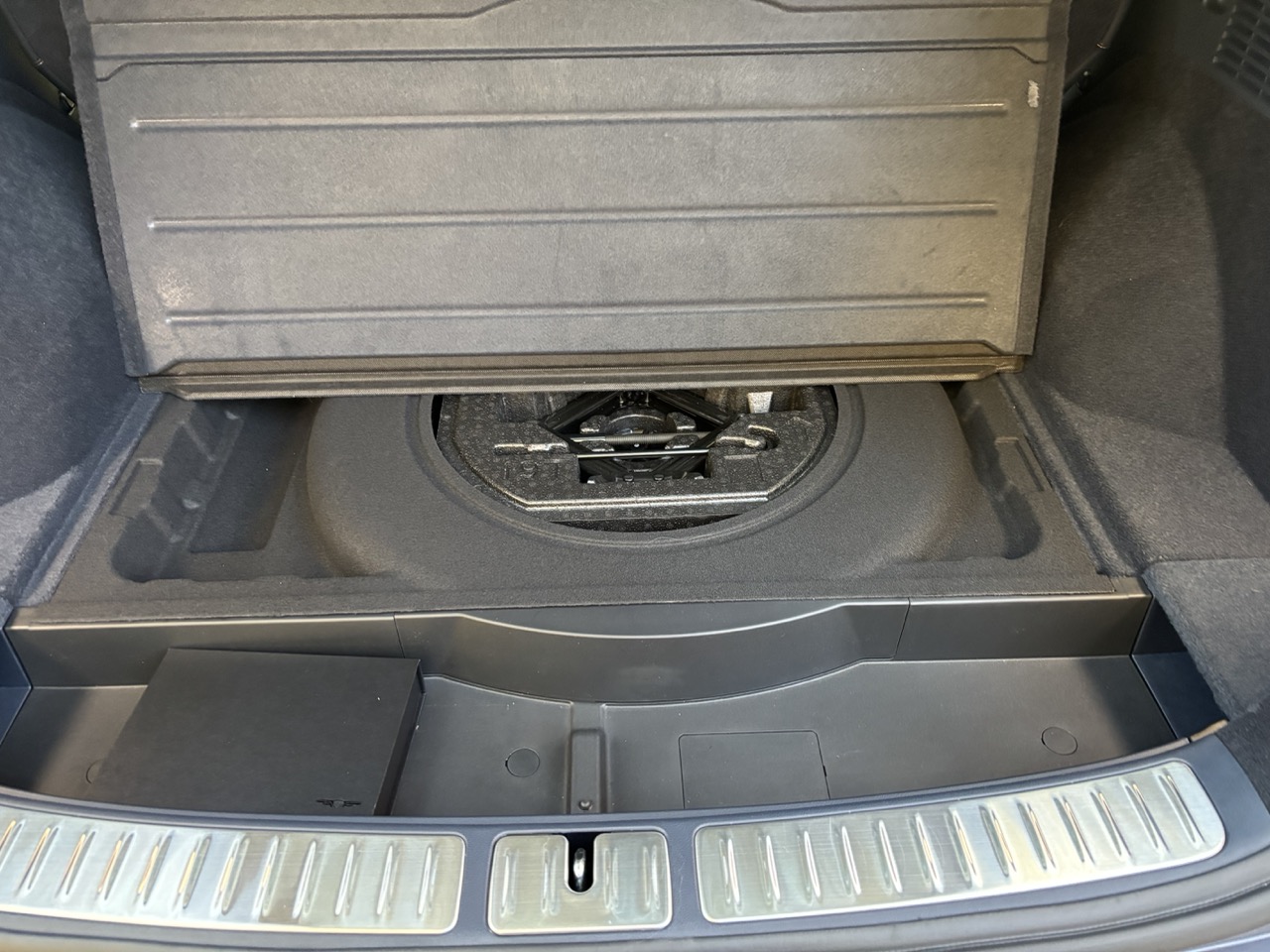
See? It’s pretty wide. And yes, there is a spare tire under there as well:
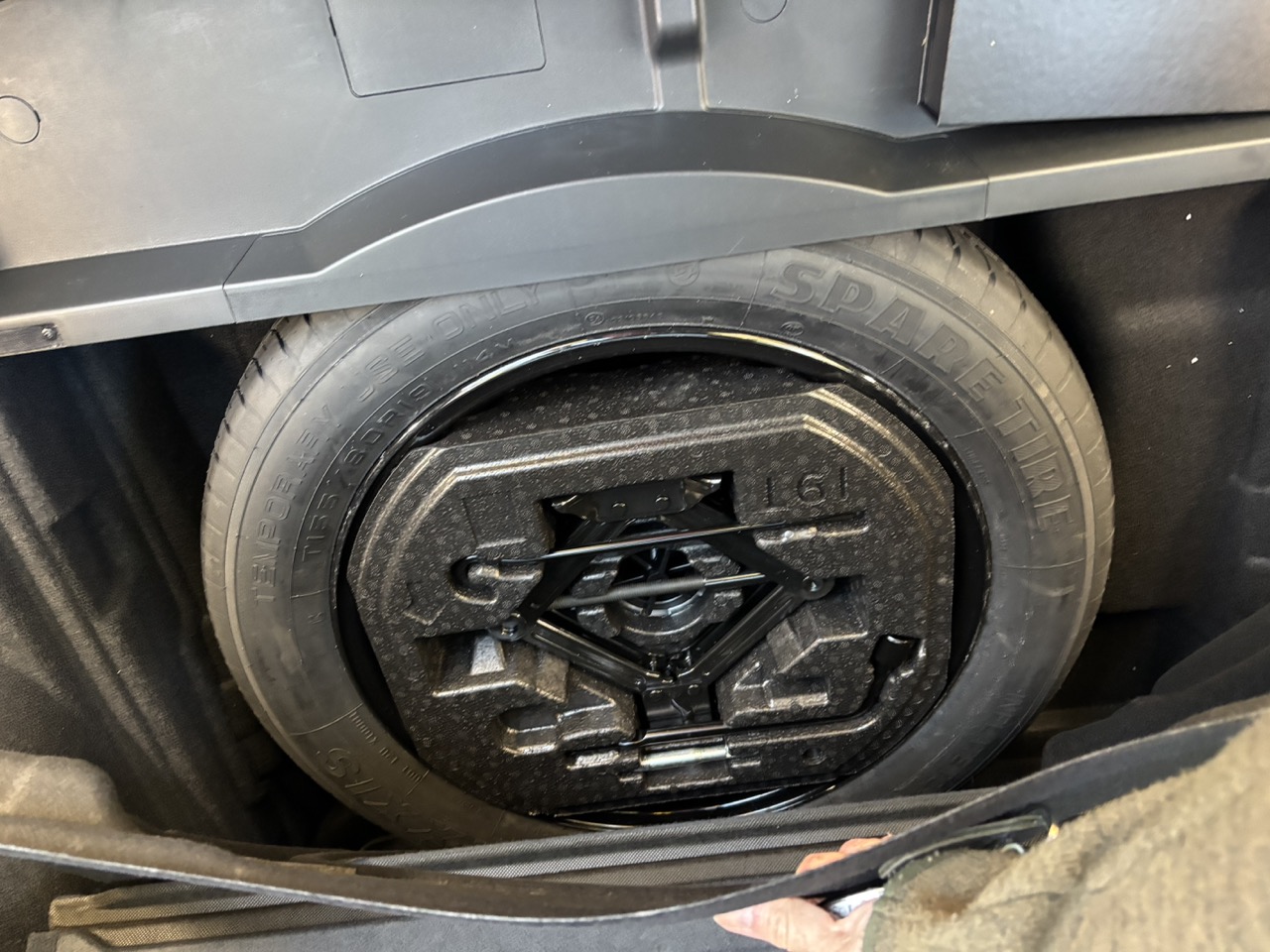
It’s a temporary spare, unless SPARE TIRE is a new tire brand I wasn’t aware of.
Genesis does an excellent job on their interiors. They’re genuinely pleasant spaces to spend time in, and they really do feel a level above most automotive mass-market interiors.
How Is It To Drive?
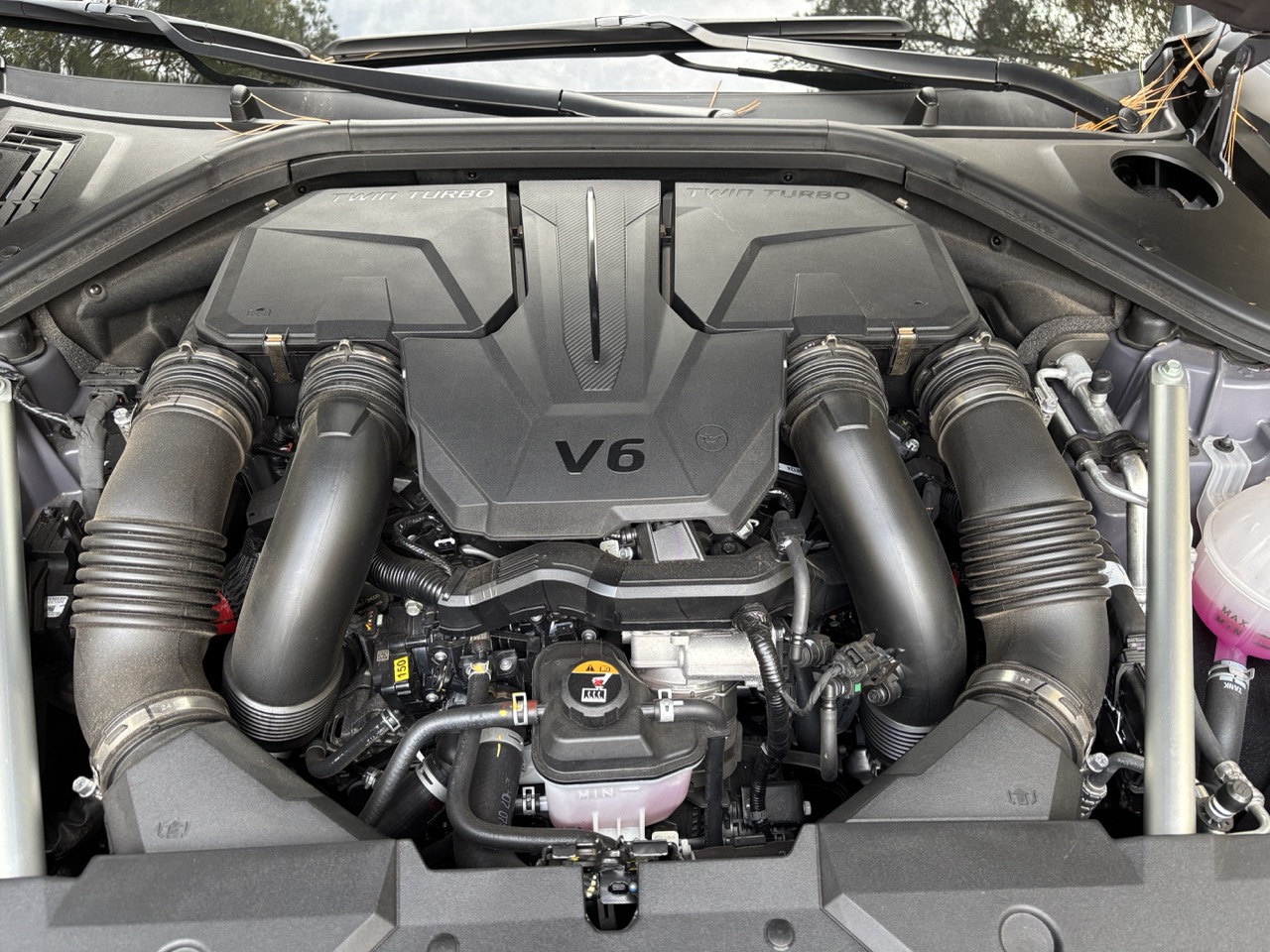
The G70 I had as a press car had the 3.5-liter twin-turbo V6 engine – the base has a 2.5 liter turbo inline-four making a very adequate 300 horsepower. The V6 makes 375, and it feels genuinely quick.
The 2.5-liter gets 21 mpg city and 28 highway, and the V6 gets 18 city and 25 highway. Not great, but not terrible.
I took the GV70 to the North Carolina Southeast Regional Premium Crossover Autocrossing Championships in Whynot, NC, and, thanks to the crossover’s nimble handling and AWD sure-footedness, won every single event and then everyone clapped and the governor landed in his helicopter and presented me with the French Légion d’honneur medal and then all of my childhood bullies drove up in a bus and one by one apologized for being such jerks to me and then everyone sang a song about how the GV70 and I were the best Premium Crossover Autocrossers in the world, ever.
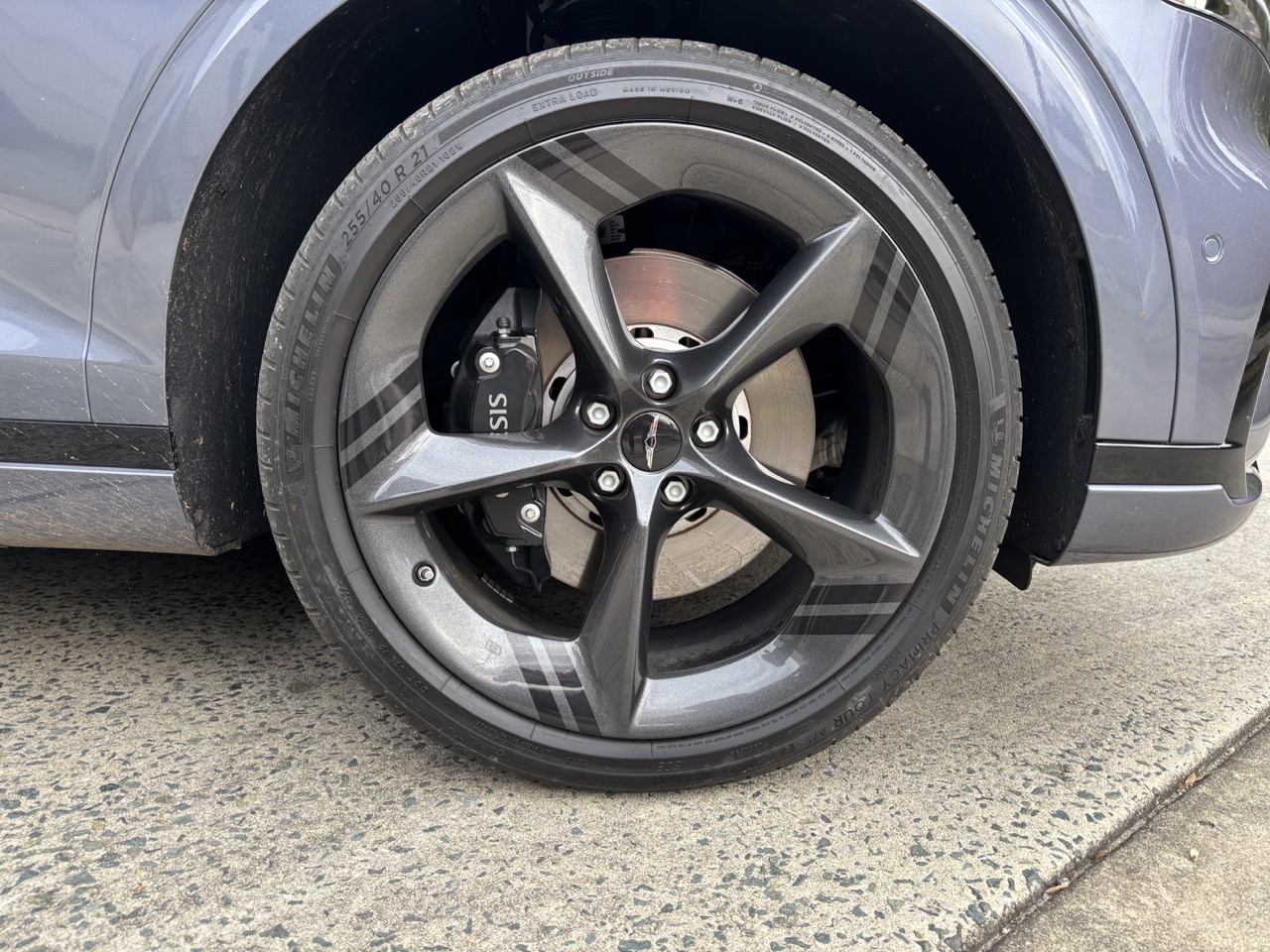
I’m just kidding! Of course, none of that happened! I drove this thing around town and on the highway a bit, but I in no way even pushed this car anywhere near its limits. It handles well for a fairly bulky car, and doesn’t feel too top-heavy, which is nice. Also, look how huge those brakes are, and I really like those wheels with their subtle stripes. Very slick indeed.
In Conclusion, I Conclude

I think Genesis makes some fantastic luxury cars that seem to cost a bit less than many other luxury cars, and that’s great in my book. Sure, the badge still lacks the cachet of other brands, but if that really bothers you, then I suspect maybe you have some bigger, deeper issues to explore.
I also think the GV70 happens to be one of the best-looking premium crossovers on the market today. It’s not something I can see myself ever actually owning, but for those who choose to, I think you made a great choice.
All photos by Jason Torchinsky except where noted.
Top graphic images: Jason Torchinsky [note about topshot: Our managing editor, Pete, wants more faces in topshots. Fine. I found a picture I had of myself while actually in the car, and used that. My wife saw it and said I looked like “a deadbeat.” You can see the original topshot here. So I changed it. Just thought you should know. – JT]
The post The Genesis GV70 Is An Extremely Pleasant Luxo-Crossover And Its Butt Looks Like A Porsche 928 And/Or An AMC Pacer appeared first on The Autopian.