LS1 Engine Specs and History Explored
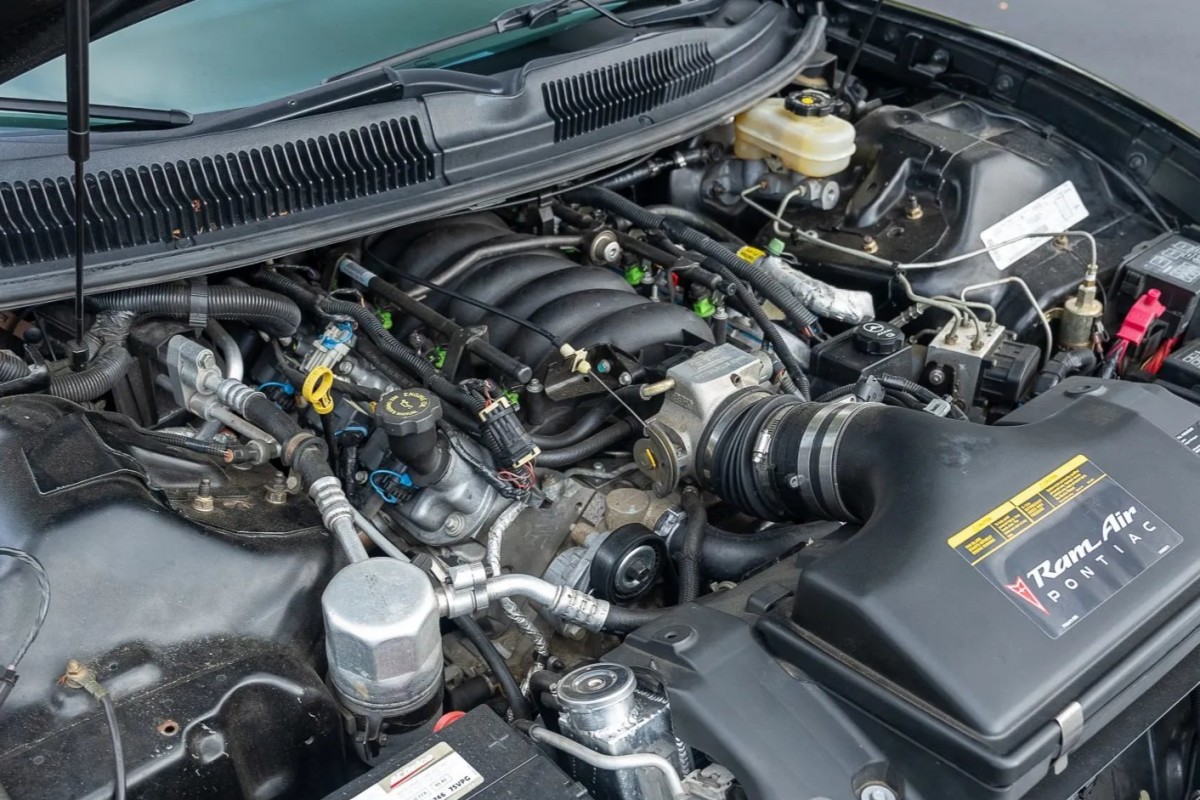
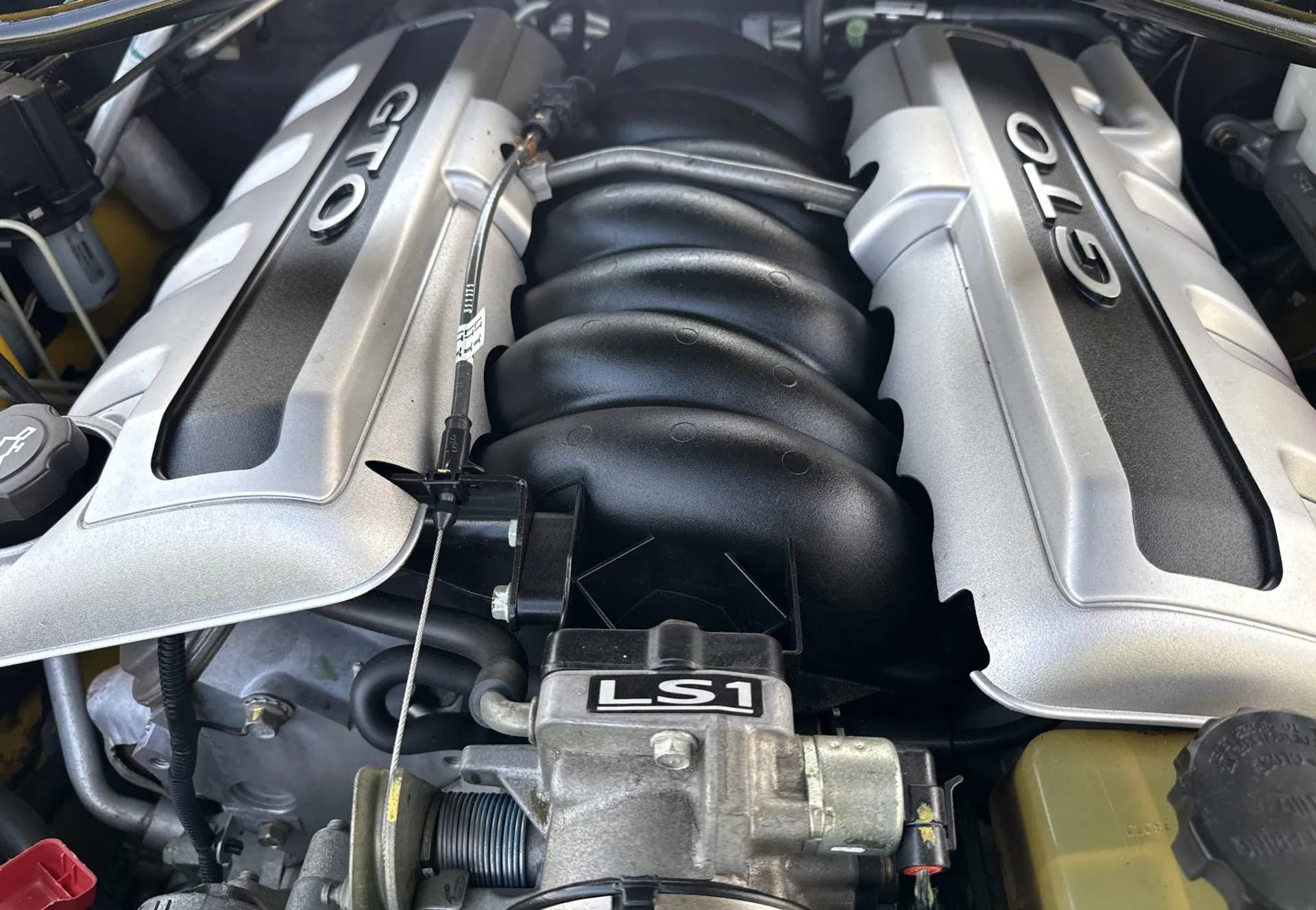
The General Motors 5.7 LS1 engine was a naturally aspirated small-block V8 engine with two valves per cylinder and the traditional pushrod valve gear and two valves per cylinder, a layout that has been typical of the GM small-block V8 since its inception in 1954 until today. Hydraulic valve lifters and six-bolt main caps are standard. Both the engine block and cylinder heads are made of aluminum, making it a lightweight engine that became known for its versatility and reliability, while producing a decent output of up to 400 hp.
Its aluminum construction gives the LS1 V8 a low weight, and its OHV valve gear makes it a particularly compact engine, so it’s very popular for engine swaps, even into cars as small as Mazda Miatas. It responds well to modification, and high-flow cylinder heads combined with boosted induction (turbo- or supercharged) make it a darling of the tuner community, aided by plentiful performance parts availability.
5.7 LS1 Development and Timeline
The LS1 engine was the first variant of the newly redesigned Generation III small-block V8 from GM, and launched in the 1997 C5 Corvette with 345 hp. It was also found under the hoods of F-Body cars such as the Firebird and Camaro, but had its most varied career in Australia’s Holden vehicles, where it was a staple until 2005 in the VT, VX, VU, VY, and VZ variants of the Commodore sedans and Utes (pickup trucks). It went up to 382 hp in stock format in the Commodore HSV (VY series) in 2004.
Here’s a table with the basic LS1 5.7 Chevy engine specs:
|
Years Made |
1997-2005 |
|
Displacement |
5,665 cc |
|
Bore x Stroke |
3.898 x 3.622 in |
|
Bore Spacing |
4.400 inches |
|
Intake Valve Diameter |
2.000 inches |
|
Exhaust Valve Diameter |
1.550 inches |
|
Deck Height |
9.240 inches |
|
Aspiration |
Natural |
|
Valve Gear |
OHV pushrod |
|
Valves per Cylinder |
2 |
|
Horsepower |
305-382 hp |
|
Torque |
350-376 lb-ft |
|
Block Material |
Aluminum |
|
Head Material |
Aluminum |
The LS1’s engine specs were continuously improved by Holden in Australia, and the most powerful version of the engine was a Callaway-modified variant called the C4B, which was capable of 400 hp/376 lb-ft and was fitted to the Holden Commodore HSV GTS model until 2004.
LS1 Problems
The LS1 is generally robust, but be on the lookout for these potential issues:
- Piston ring failure. Because of the very small ring end gaps, these can heat up, expand, and close entirely on modded engines, leading to failure and, subsequently, excessive oil consumption and exhaust smoke. This is an area that requires upgrading on modified engines. Note that oil consumption can also be linked to valve guide seals wearing out at higher mileages.
- Piston slap. Some ticking on a cold start is to be expected with these engines, but if it persists when the engine is warm, it probably means the previous failure we listed has happened – piston ring seal failure.
- Bent pushrods. Stick to the factory redline, and you should be OK, but exceed it, and you can bend pushrods. Overrevving can lead to excessive lifter lift, creating a gap between the pushrod and lifter, causing it to tilt out of position. When the lifter comes down again with the pushrod out of position, it bends it, potentially breaking it.
- Cooling system problems. LS1 water pumps can be a weak spot and are prone to failure. Pump shaft failure and gasket leaks are also quite common, so any coolant loss or tell-tale dripping on the floor has to be investigated and fixed immediately.
- Oil pump issues. Again a rev-related problem, the standard oil pump should be good for 6,000 rpm, but can start to cavitate beyond that, damaging the pump. Don’t exceed this rev limit, and it should be fine. The pressure release valve is also prone to failure, and if this gets stuck open, too much oil run-off into the crankcase is allowed, leading to low oil pressure and engine damage.
Engines made before 2001 may also be prone to connecting rod bolt failure, but this should not be common unless maintenance has been neglected or the engine is overrevved frequently. As you can see, various LS1 problems are associated with modifications and overrevving. Keep it standard, give it fresh oil frequently (every 7,000 miles), keep up with all the maintenance, and never exceed the 6,000-rpm mark, and the LS1 should be a very reliable engine.
Cars Using the LS1 5.7 Engine
Since 2010, the 5.0L Coyote V8 has been used in either naturally aspirated or supercharged form in these vehicles:
- 1997-2004 Chevrolet Corvette (C5 – below left)
- 1998-2002 Chevrolet Camaro (Z28 & SS)
- 1998-2002 Pontiac Firebird Formula (below right) & Trans Am
1997 Chevrolet Corvette Coupe C5 6-Speed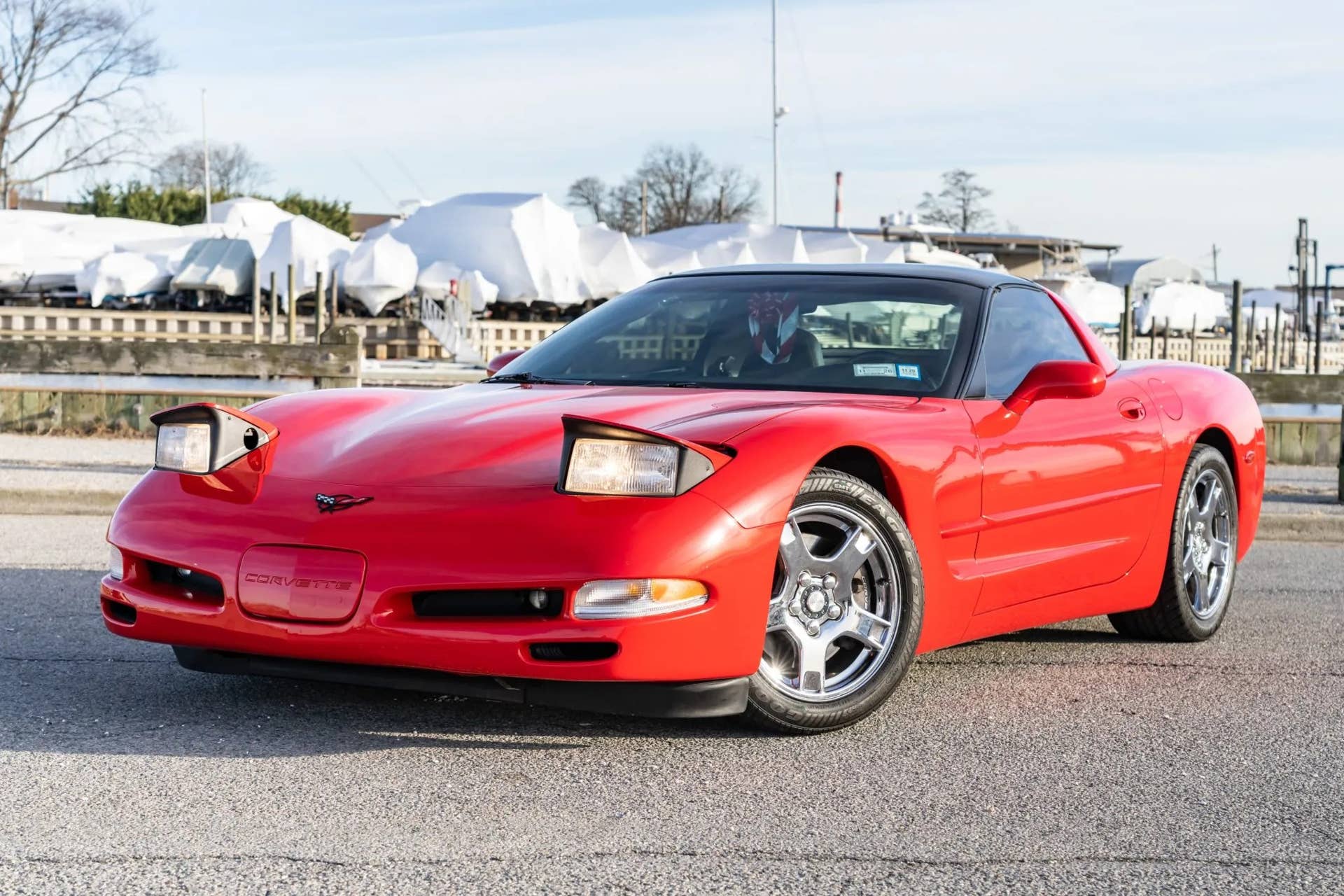
- 1999-2000 Holden Commodore (VT Series II) (Australia)
- 1999-2005 Holden Statesman (Australia)
- 2000-2003 Holden Commodore (VX sedan and VU Ute) (Australia)
- 2000-2003 Holden HSV (VX & VU) (Australia)
- 2001-2004 HSV GTO (Australia)
- 2001-2005 Holden Monaro (Australia)
- 2002-2004 Holden Commodore (VY) (Australia)
- 2002-2004 Holden HSV (Y Series) (Australia)
- 2004-2005 Holden Commodore (VZ – below left) (Australia)
- 2004 Pontiac GTO (below right)
- 2005 HSV Avalanche (Z Series) (Australia)
Holden Commodore VZ SS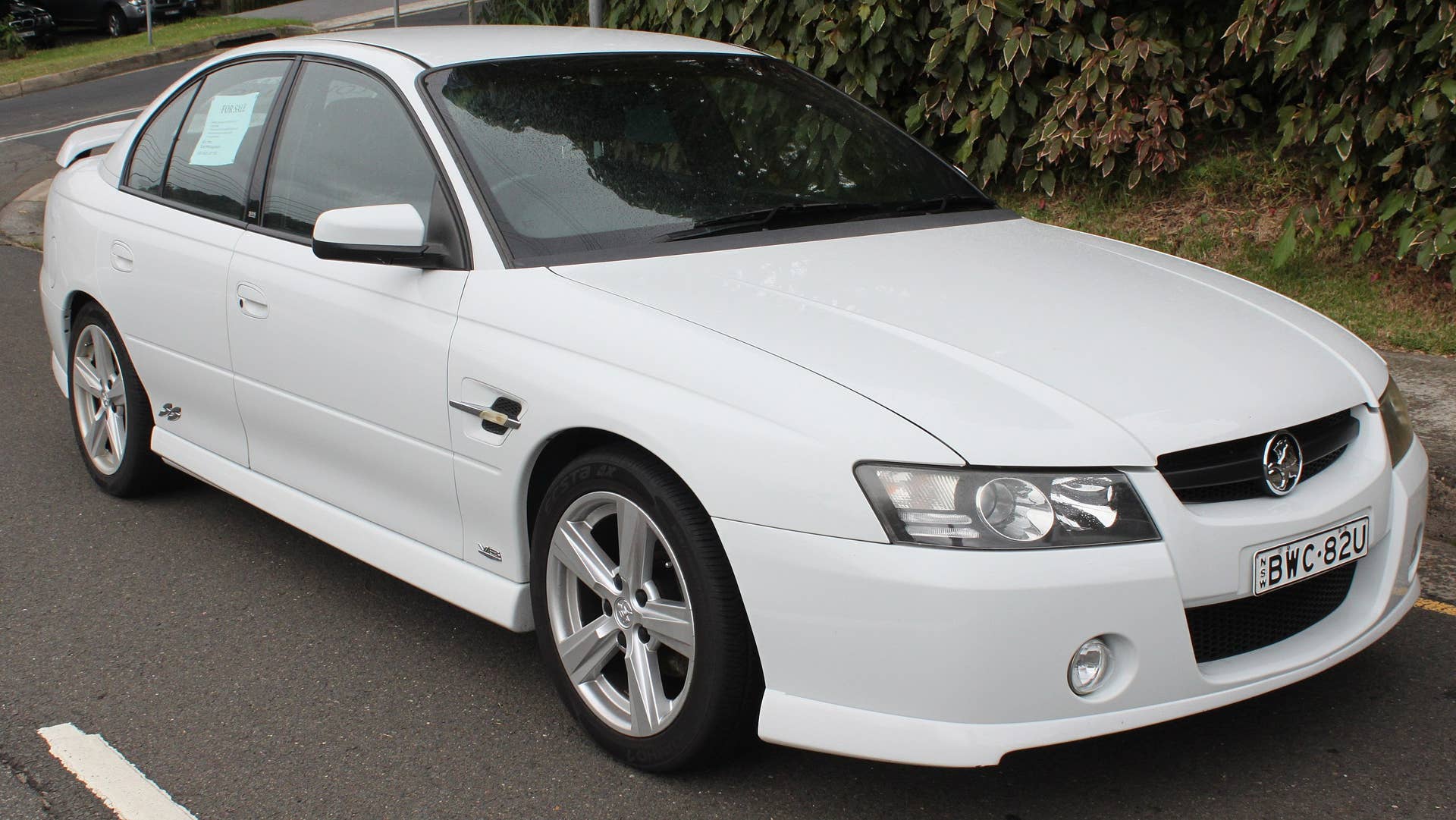
FAQs
Q: Are LS1 engines V8?
A: Yes, all the engines in the Gen III small-block family to which the LS1 belongs are V8s, and the LS1 is a 5.7L variant.
Q: How much HP is an LS1?
A: The lowest output an LS1 had in stock cars was 305 hp, but this goes up to as much as 382 hp in stock form in the Australian Holdens, and 400 hp when modified by Callaway. With a turbocharger or supercharger, a lot more power can be extracted from an LS1.
Q: Is a 6.0 an LS1 or LS2?
A: The LS1 was only ever a 5.7L engine. The LS2 is a 6.0L, and was the first engine variant of the new Gen IV small-block engine that was introduced in 2005.