While California redesigned its license cards with security as the top priority earlier this year, Texas just changed its vehicle registration process, making it impossible to register a vehicle if you’re not a documented American citizen. On paper, one of the least dangerous states to drive in will get even safer roads. If only legally documented residents can register cars, the assumption is that fewer high-risk or uninsured drivers will end up behind the wheel. But as we’ve come to learn, real-world driving rarely mirrors policy intent, and it raises an uncomfortable question: what happens when the people who can no longer register a car keep driving anyway?
Rolled Out With Immediate Effect
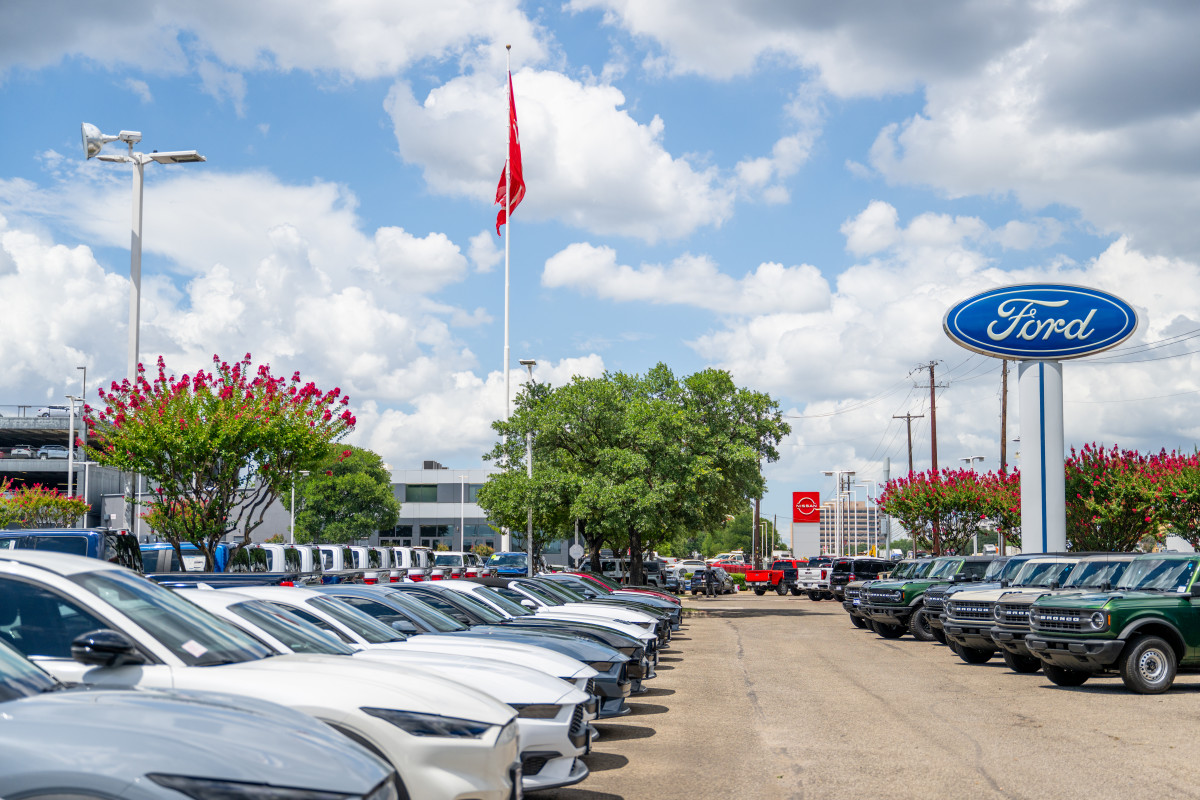
The Texas DMV’s change arrived on 18 November without warning – no transition period, no advance communication, nothing. From now on, anyone registering or renewing a vehicle must prove lawful presence. Those in favor argue this will tighten oversight and improve accountability, especially since Texas already imposes similar restrictions on driver’s licenses. And with more than 19 million registered drivers in the state before the change, it’s easy to understand why lawmakers saw room to refine the system. The registration process alone has already become a hurdle for uninformed drivers who have suddenly discovered that renewing a vehicle registration requires immigration paperwork – something not everyone has readily available.
The Theory-Reality Gap
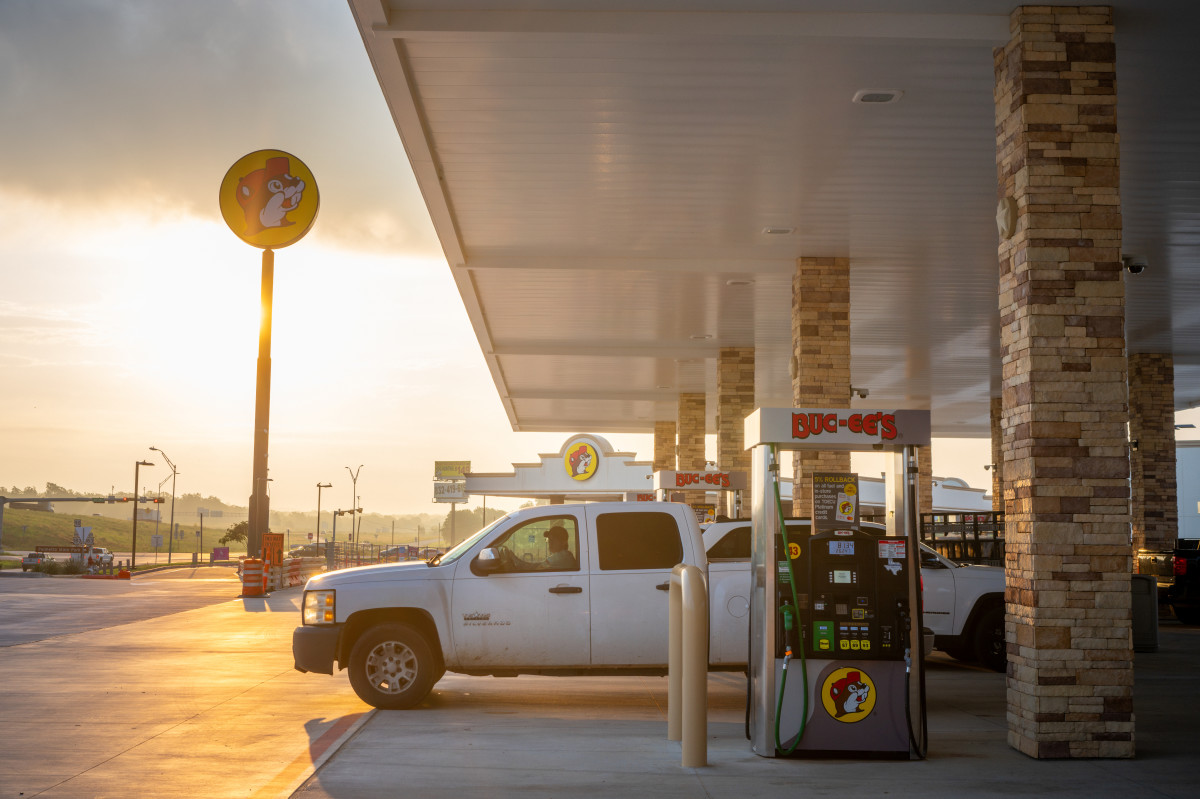
The main assumption behind the new law is that unregistered drivers won’t drive. Ironically, that’s where the theory falls apart. Undocumented residents rely heavily on personal vehicles for work, groceries, school runs – basic survival. Restricting registration doesn’t remove the need to travel; it only removes the ability to do it legally. According to The Texan Tribune, one in 20 Texans is an undocumented immigrant. If even half own a car, that means more than 800,000 vehicles could soon be unregistered and uninsured on Texas roads. From here on out, ‘driving an unregistered car’ will be added to the list of the most commonly broken traffic laws. For many of these undocumented drivers, it’s much easier to tolerate the risk of driving an unregistered car than the alternative – losing the ability to work or feed a family.
The Real-World Consequences
Pexels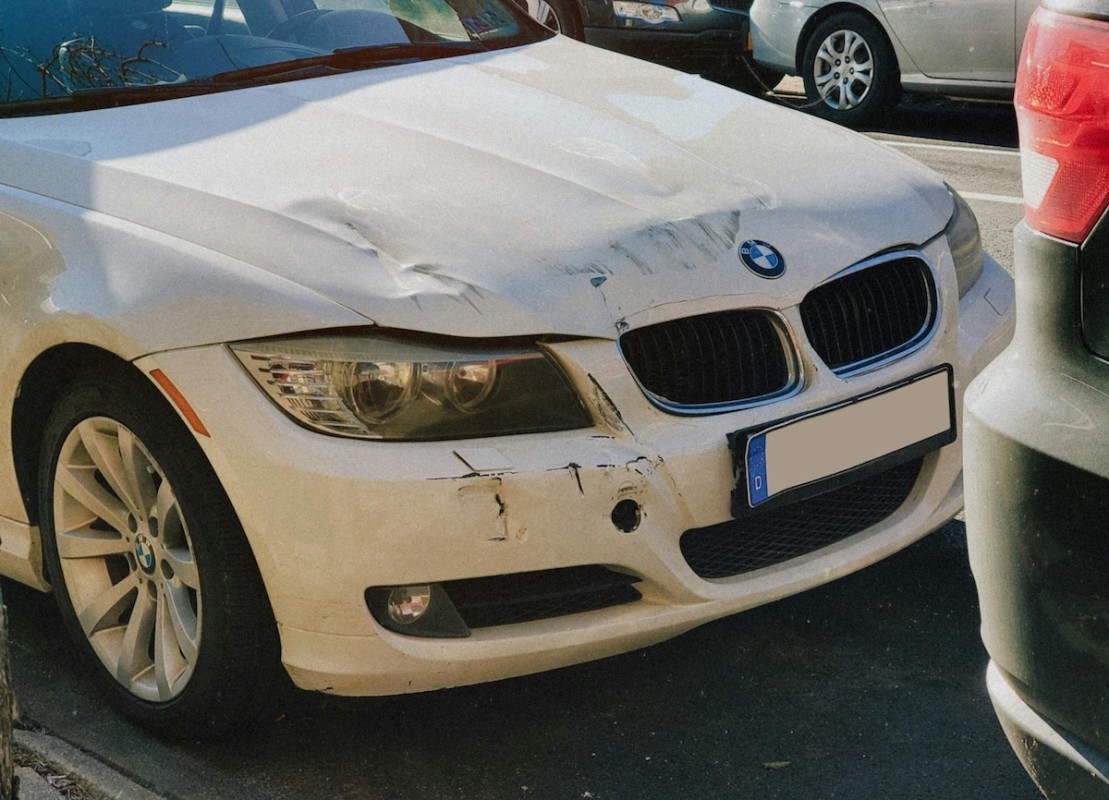
If the state’s goal is safer streets, this new law may backfire. Drivers who continue using their cars without registration or insurance will face steep penalties, but the consequences won’t stop there. In accidents or even minor fender-benders, the financial burden will fall on everyone else, since uninsured drivers leave victims with limited recourse. The law’s practical effect may be the rise of invisible motorists – people who can’t register, can’t insure, and can’t afford to stop driving. On paper, the rule promises a safer Texas. On the road, it may deliver the polar opposite.