A Proper Truck-Based Midsize SUV From Ford
If one were to trace the roots of the Ford Explorer, it was essentially the SUV version of the Ranger, with a wagon-esque body added. It was actually capable off-road, and it came with pretty rugged underpinnings, thanks to its ladder-frame chassis. Today, the Explorer has become a crossover that’s pretty far removed from the original.
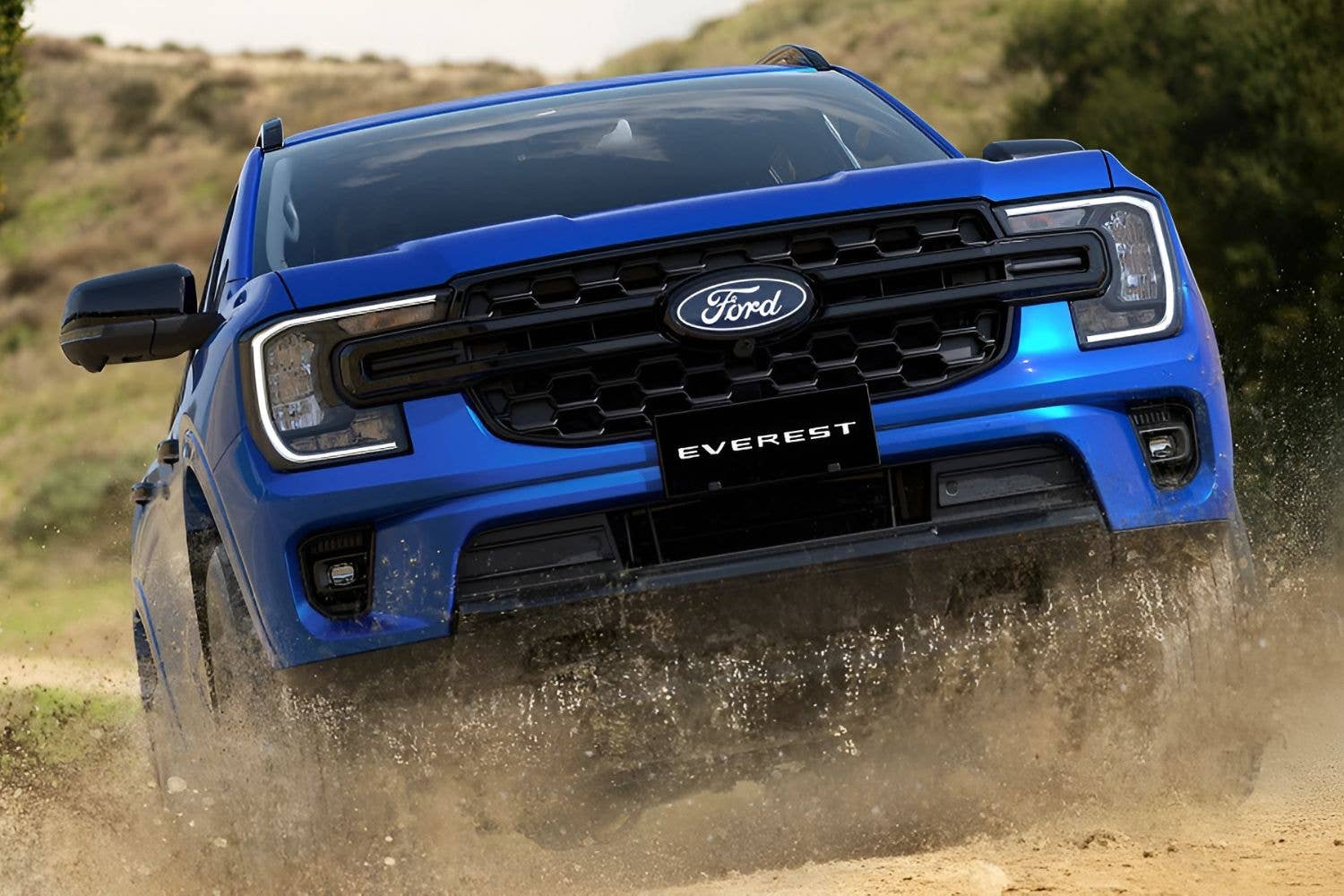
However, a Ranger-based SUV is still being sold outside America. If you’re based in Asia, Oceania, Africa, or Latin America, you already know what we’re talking about. That would be the Ford Everest, and it’s become a viable competitor for the Toyota 4Runner.
Ford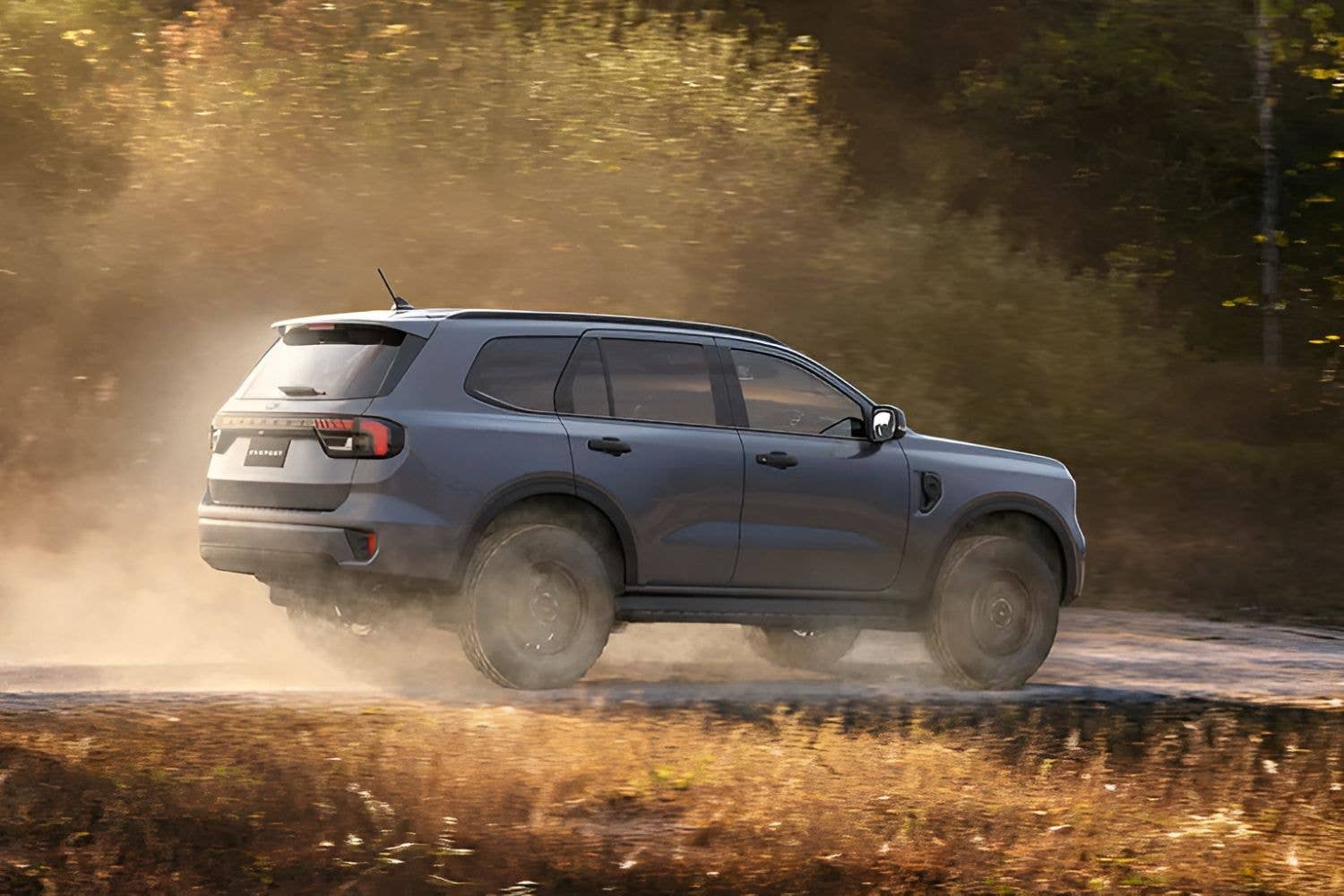
Not a New Name
The Everest has been around since 2003. The original model from over 20 years ago rode on the global Ranger, which is unrelated to the one sold in North America. It was, even by the standards of the day, agricultural, with leaf springs and torsion bars keeping the thing upright. It was primarily for emerging markets, with the biggest being Southeast Asia.
But it was the second generation that really put the Everest on the map. It was no longer just a Ranger with an SUV body as it became heaps more refined and less truck-like behind the wheel. Now in its third generation, launched in 2022 and updated for the 2026 model year, it still rides on the current Ranger’s platform.
Ford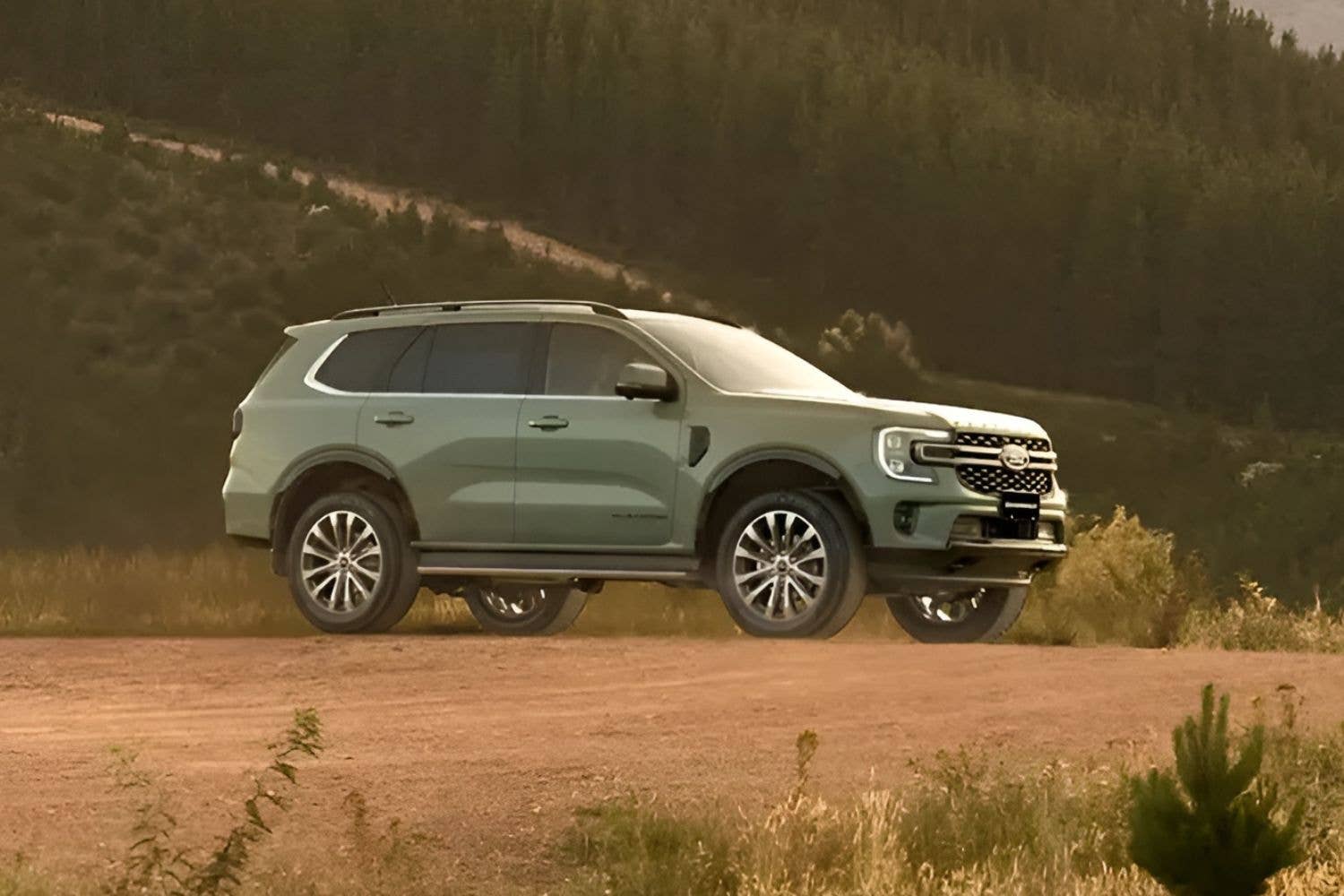
The Specs
In terms of size, it’s about the same as the 4Runner at 193.5 inches long, 75.7 inches wide, 72.5 inches tall, with a wheelbase of 114.2 inches. The Toyota is ever so slightly longer and wider, but the Ford is a bit taller and has a longer wheelbase. It’s also close in size to the Land Cruiser 250 Series.
For Oceania and Southeast Asia, diesel power is the only option with the Everest. Specs are conservative by American standards, starting off with a 2.0-liter turbodiesel with 167 horsepower and 299 lb-ft. That’s mainly for the entry-level trims, as most benefit from a 3.0-liter V6 diesel that makes 247 hp and 443 lb-ft of torque. In countries where diesel isn’t a hot commodity, there’s also a 2.3-liter EcoBoost that delivers 296 hp and 310 lb-ft.
Other highlights? There are three rows of seats, and rear diff locks are standard on 4WD versions, which can wade into water up to 2.5 feet deep. Off-road drive modes are included, plus there’s about 9 inches of ground clearance. There’s even an off-road-oriented trim called the Tremor that adds more ground clearance, skid plates, and a beefier suspension arrangement.
Ford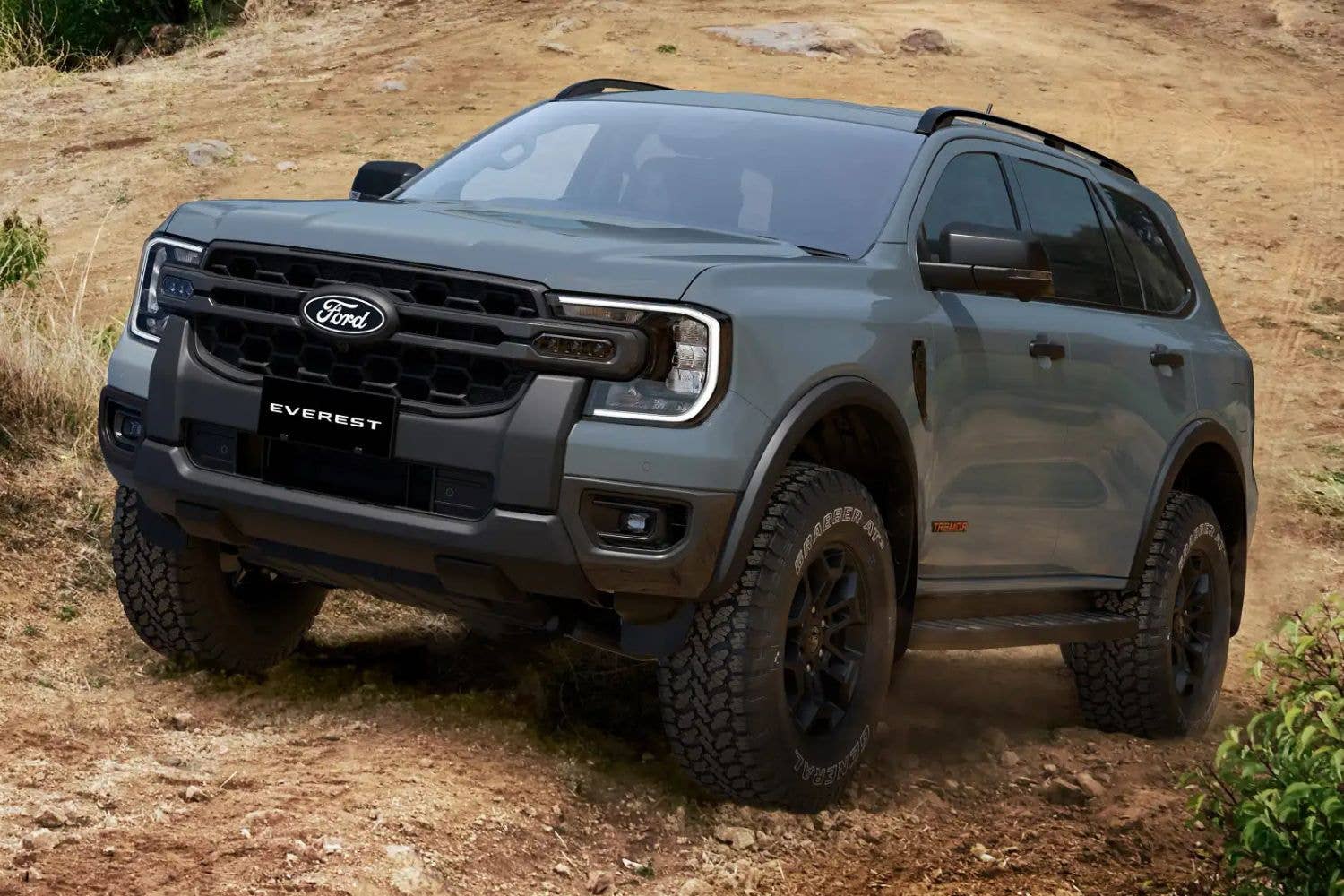
Fit for America?
Perhaps not with the diesel engines. That said, the 2.3-liter turbo came straight from the Ranger, so it should be well-suited for American roads. Given that the Everest has the same platform as the Ranger and is closely related to the Bronco, there shouldn’t be many tooling changes in the plant to make it happen. The platform-sharing also has the advantage of potentially installing more powerful engines in the Everest.
There are some hurdles, though. The first would be if people actually want a 4Runner or Land Cruiser rival from Ford. It’s a neat idea, but we can’t say for sure if there’s real demand out there. The second would be the Explorer’s existence, as the Everest could take some sales away from the country’s best-selling midsize crossover.
Lastly, there’s the Bronco that already uses the same basic architecture as the Everest, but it could appeal to those who’d like an off-roader with a little more subtle styling.
Ford