From All-Electric to Electrified
It wasn’t long ago that Lotus was talking about becoming a fully electric brand. The plan in 2021 leaned heavily on new factories, new architectures, and a clean break from the company’s lightweight, analog past. The message at the time was that internal combustion engines were on borrowed time and the next wave of Lotus models – from the Eletre to the Emeya – would define a battery-powered future.
That direction has now shifted. Luxury EV sales haven’t grown the way the company expected, and momentum has been especially uneven in markets where Lotus hoped to scale quickly.
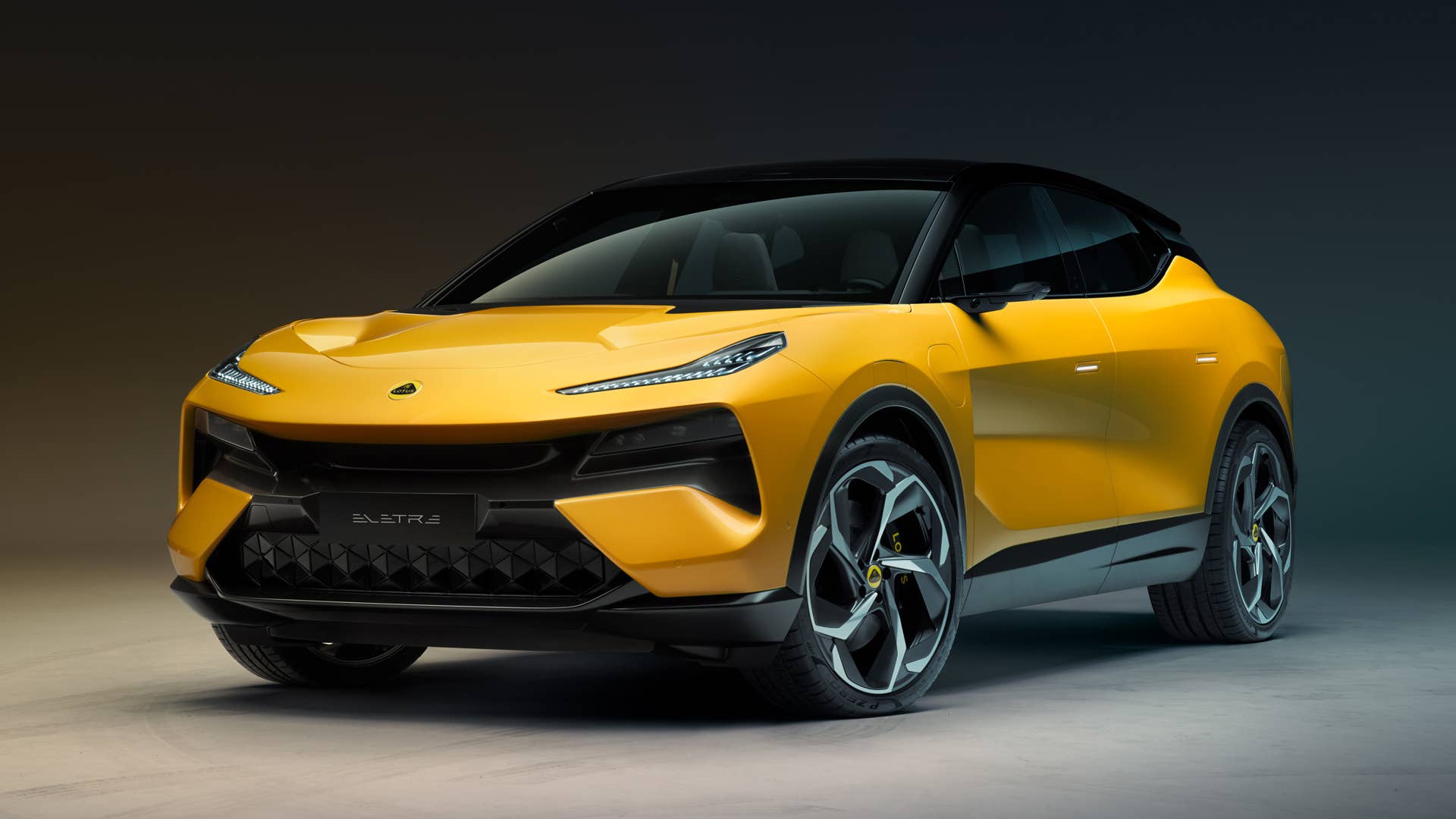
So the brand is adjusting. The first step is a plug-in hybrid version of the Eletre, set for a global debut early next year. More models are already in the works, including a smaller SUV projected for 2027.
Phased Rollout Depending on the Region
Lotus CEO Feng Qingfeng revealed the plans during the company’s recent earnings call, Autocar reports. The upcoming Eletre plug-in hybrid will be the forefront of Lotus’ shift in strategy. The automaker aims for substantial output by combining electric motors with a high-output turbo engine and the brand’s usual emphasis on chassis engineering. The company refers to the setup as part of its “Hyper Hybrid” strategy, built around a 900-volt electrical system meant to deliver quick charging and solid performance.
Of note, China gets the model first in early 2026, which makes sense given the market’s size. Europe follows later in the year, while other regions come after, with a priority given to markets where the EV transition has been sluggish. It’s unclear where America is positioned in this strategy, but we’re likely getting an early taste of it given the overall popularity of hybrids among US customers.
Lotus said three PHEVs are coming, and we won’t be surprised if they use platforms from its parent company, Geely. One of them is a new, smaller SUV, slotting below the Eletre.
Lotus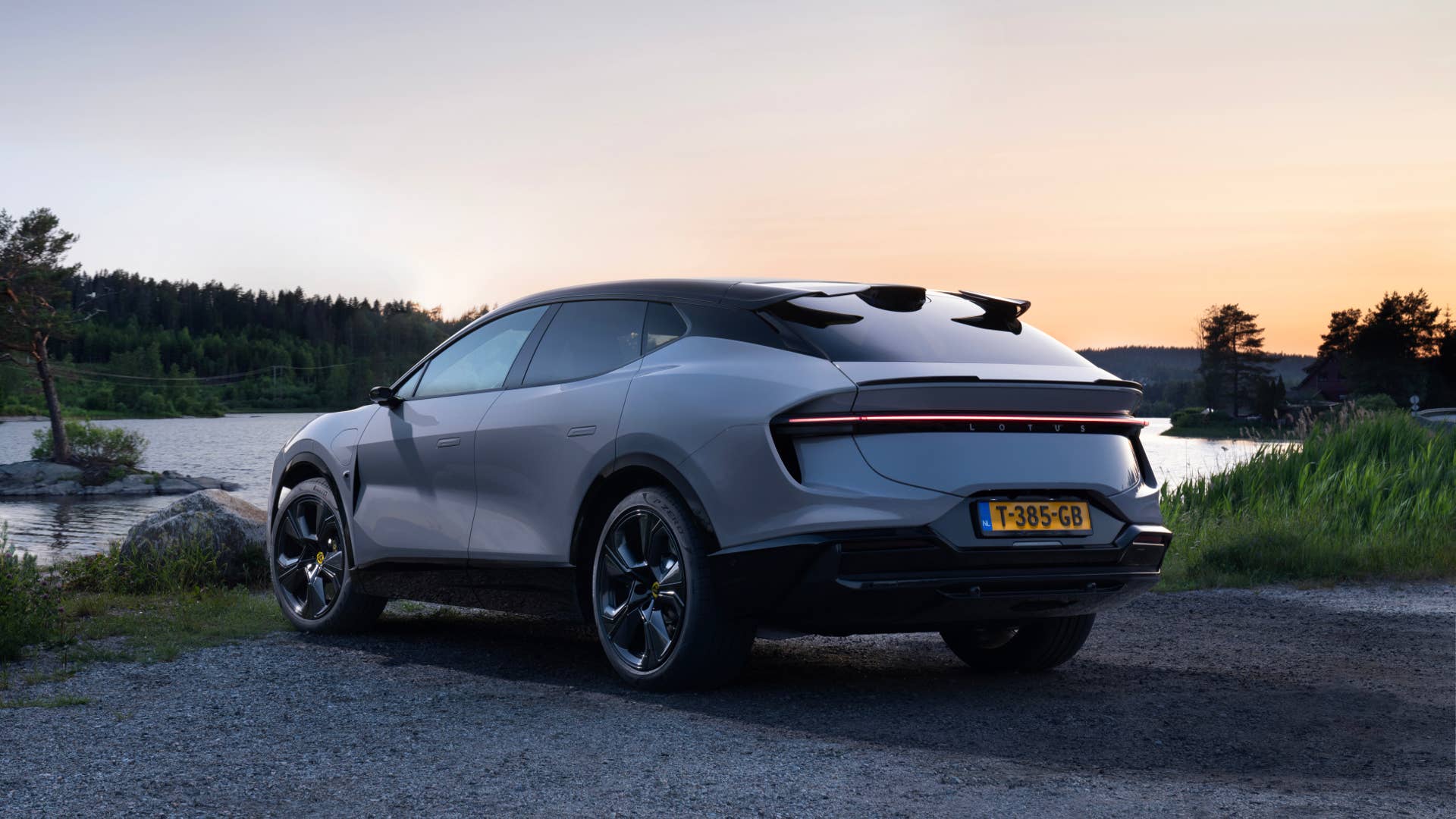
A Shift in Strategy We All Expect
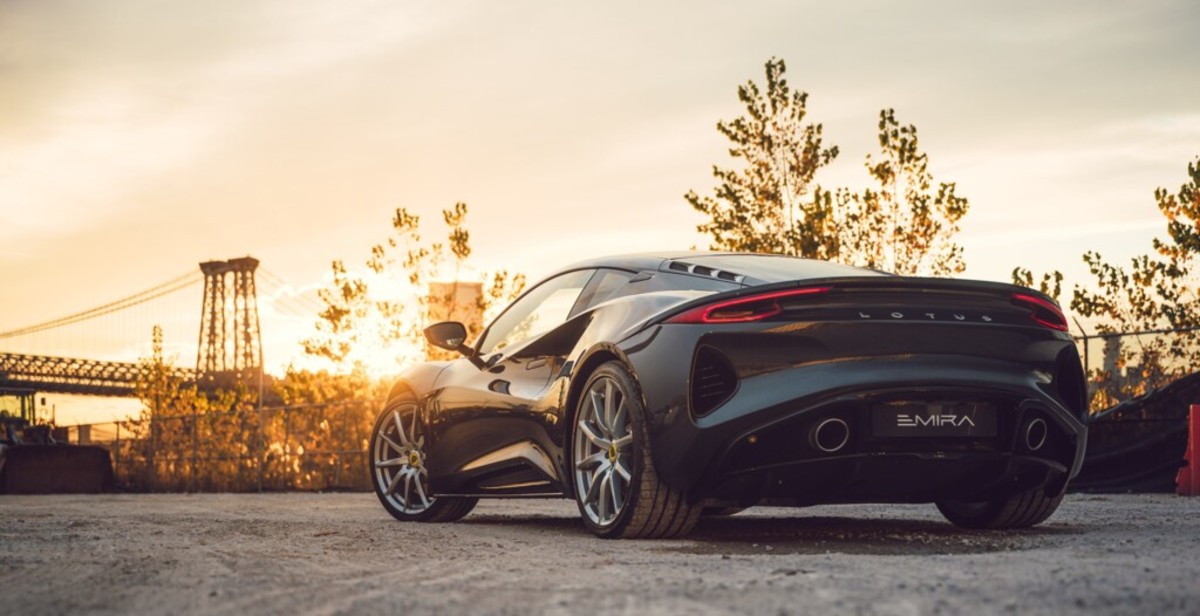
We’re not actually surprised by this move. Lotus already confirmed its push toward hybrids late last year, with the Emira sports car reportedly set to be one of the first to gain a plug-in hybrid version in 2027. With this recent announcement, the automaker is pulling the timeline, likely because the brand’s current status isn’t looking well.
Sales have softened, exports have been disrupted, and the company continues to post significant losses while cutting costs and relocating parts of its operation. In fact, with the exception of China, Lotus posted significantly fewer vehicle deliveries globally during the first nine months of 2025, moving only 4,612 units, down 40% from the same period last year.
That said, plug-in hybrids will be the bridge between the brand’s EV ambitions and the reality of its balance sheet. After years of talking about an all-electric future, Lotus is pivoting hard toward plug-in hybrids as its next foundation.
Lotus