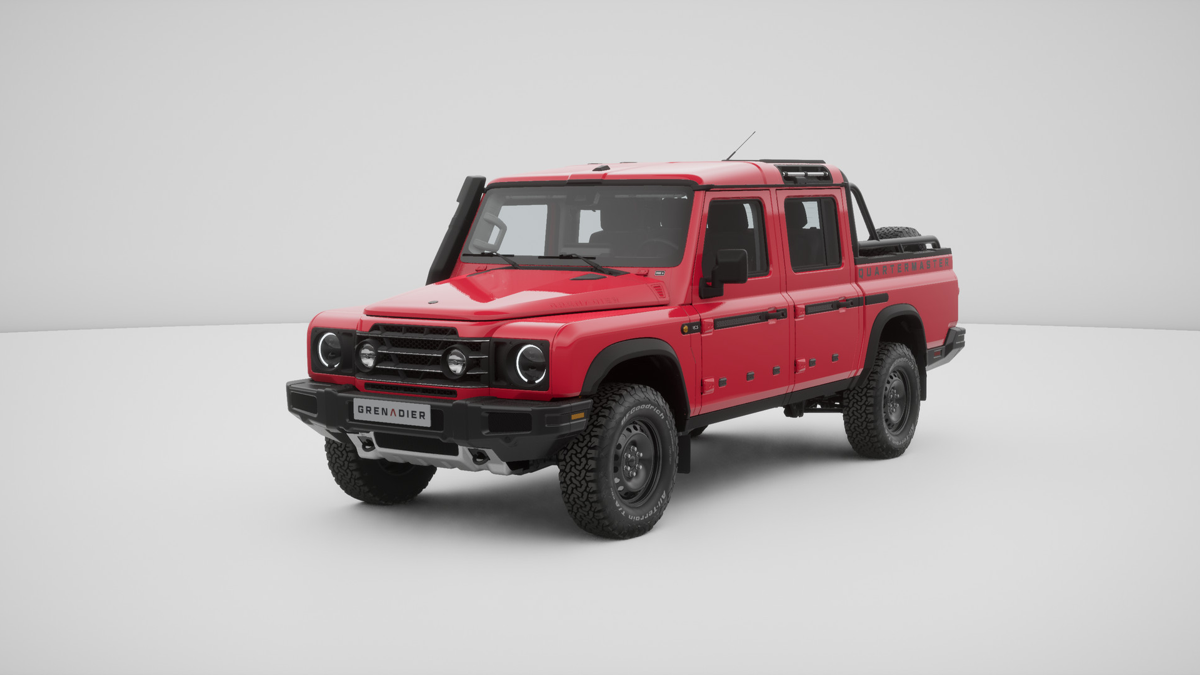
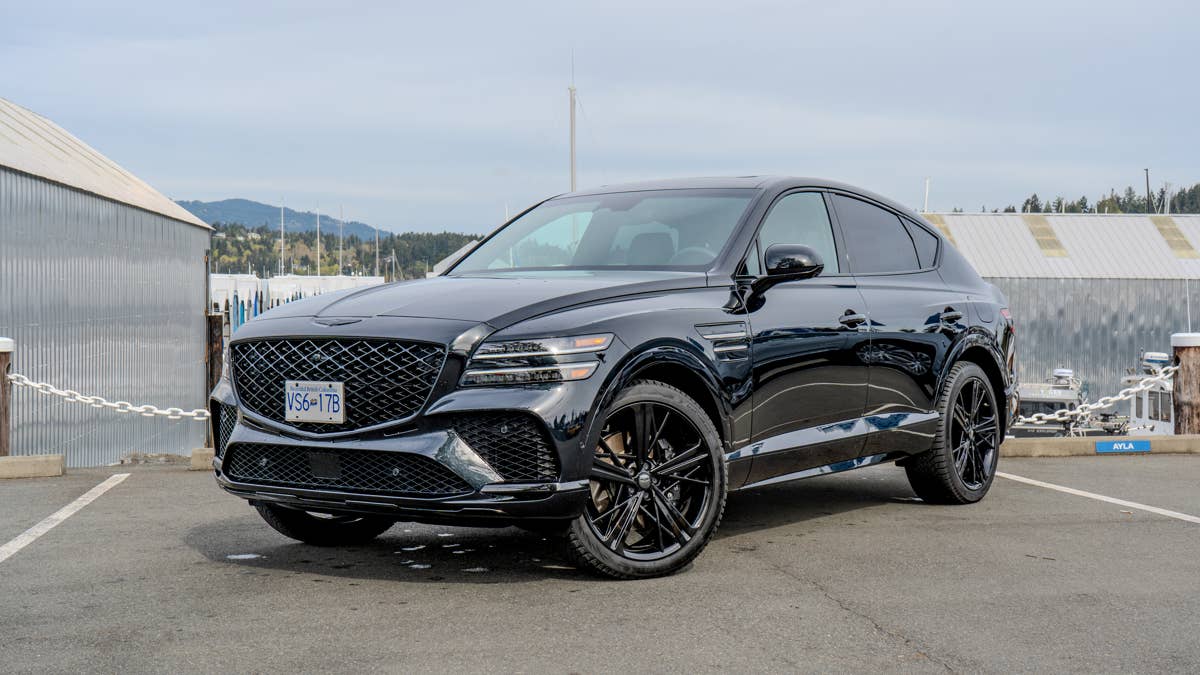
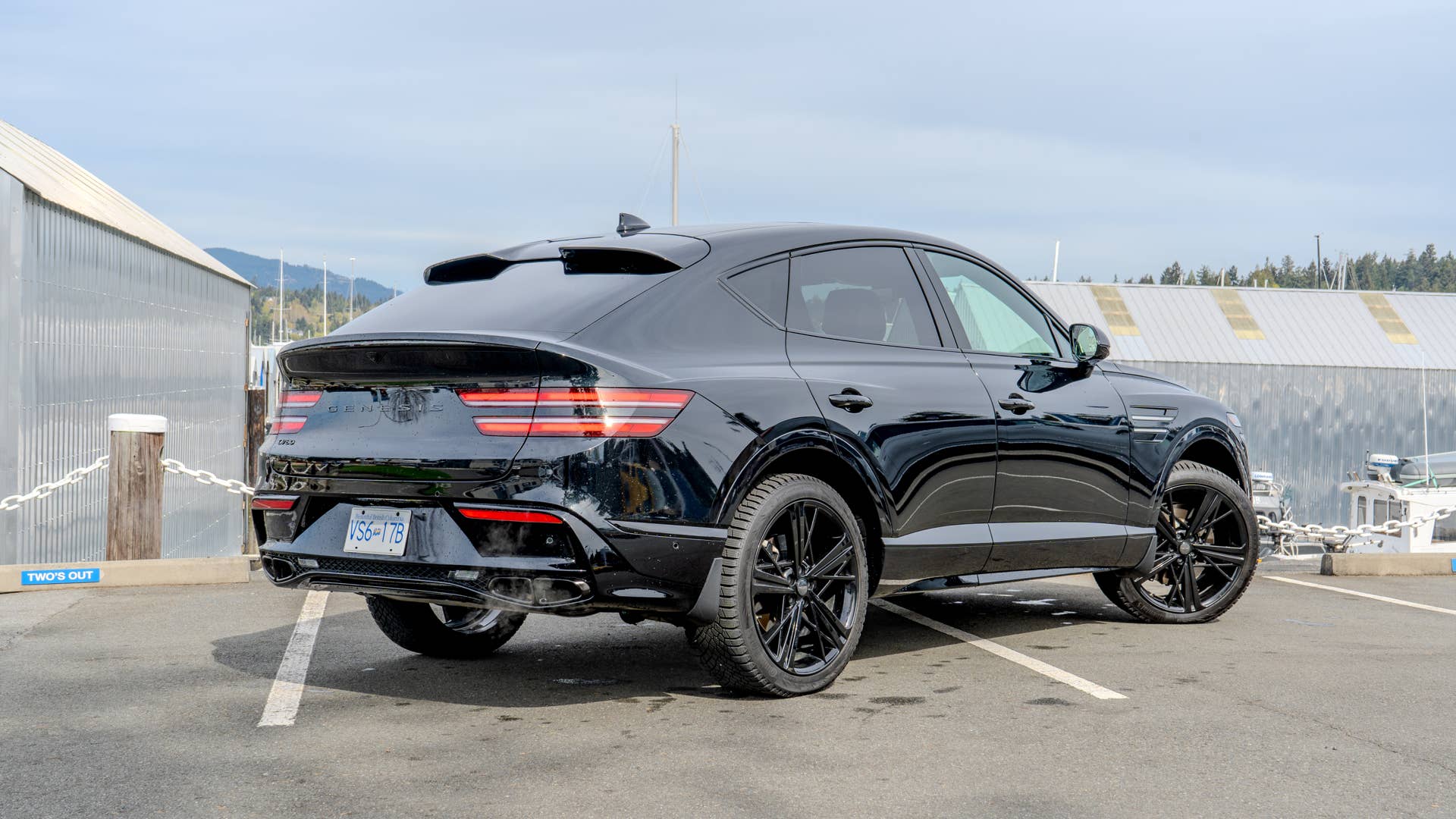
On paper, this comparison shouldn’t even be much of a contest. The GenesisGV80 Coupe immediately sets the scene with more exotic hardware: a longitudinally mounted twin-turbocharged V6, a rear-biased platform, available 48-volt e-Supercharger assistance, and up to 409 horsepower. The Acura MDX Type S, meanwhile, uses a transversely mounted turbo V6 on front-drive-based architecture, makes just 355 horsepower, and shares more conceptual DNA with the family-minded end of Honda‘s world than any luxury buyer would likely care to admit. Acura prices the MDX Type S Advance from $75,850 in the U.S., while the 2026 GV80 Coupe starts at $81,850 and rises to $89,400 in Prestige Black trim as tested.
And yet, perhaps even surprisingly, the bait-and-switch here is that the Acura is the one that feels more alive in practice, at least from behind the wheel. That still doesn’t mean the Genesis loses. In many ways, it’s still the more convincing luxury SUV. It looks and feels more expensive, carries itself with greater visual authority, and delivers the sort of fit, finish, and long-drive comfort that makes the MDX seem a generation older than it really is. But while the Genesis feels like the better luxury statement, the Acura is still the more natural driving partner. They are rivals in the way buyers actually perceive luxury: the GV80 is for the buyer who wants to feel successful, the MDX Type S is for the buyer who wants to feel involved.
I drove both the 2026 Acura MDX Type S Ultra and the 2026 GV80 Coupe 3.5T E-SC Prestige Black over highways and through the city around Vancouver, British Columbia—each for seven days at a time. In both cases, the same question lingered: if you are spending this kind of money on a luxury SUV, should you want the one that feels more expensive, or the one that feels more alive?
Cole Attisha
The Brochure Tells One Story. The Road Tells Another.
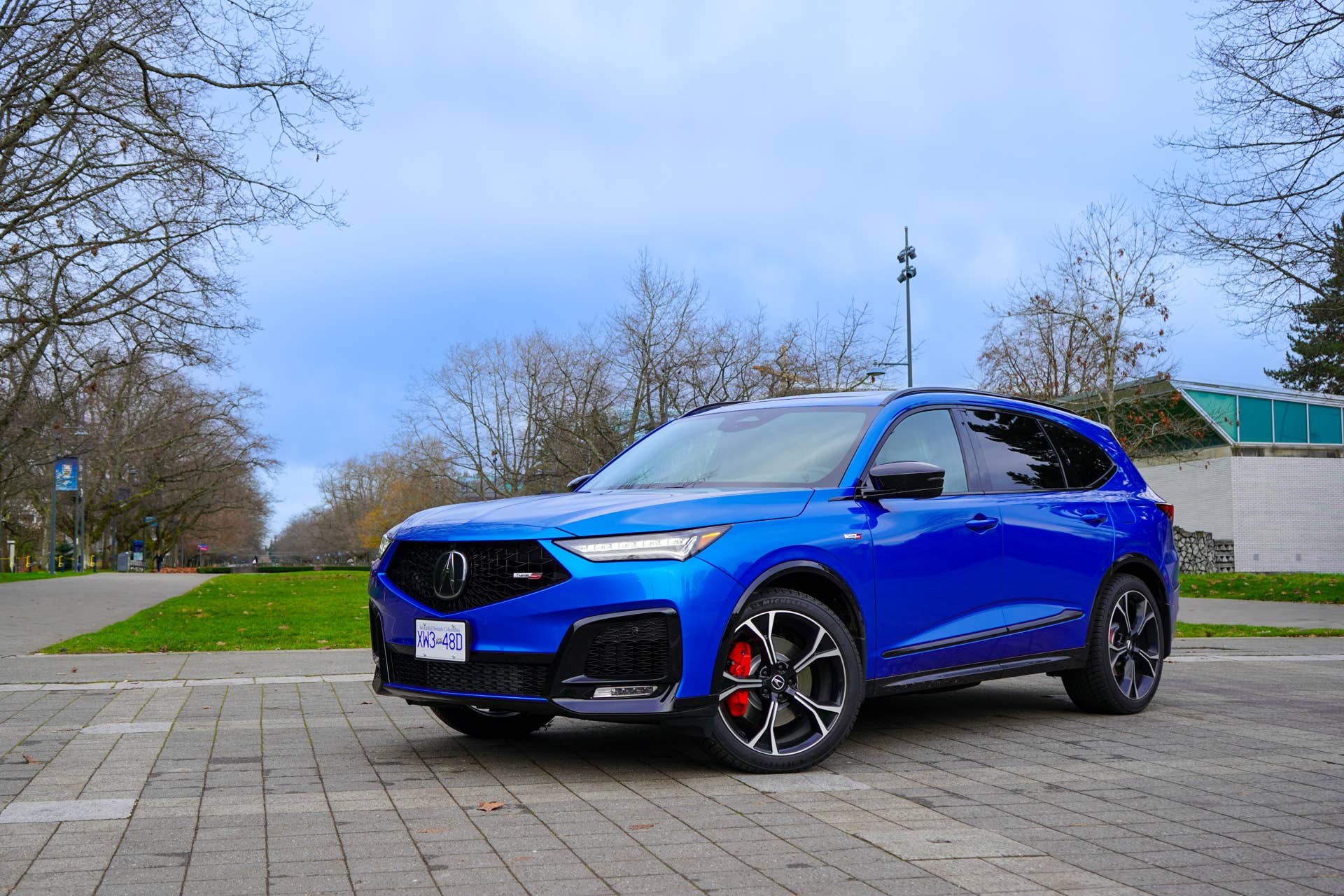
The 2026 Acura MDX Type S Advance uses a turbocharged 3.0-litre V6 with 355 horsepower and 354 lb-ft of torque, paired with a 10-speed automatic and Super Handling All-Wheel Drive. Acura also gives it adaptive air suspension, Brembo front brakes, 21-inch wheels, and a seven-mode drive system that includes Sport+ and Lift. The 2026 Genesis GV80 Coupe counters with a twin-turbocharged 3.5-litre V6. In standard 3.5T form, it makes 375 horsepower and 391 lb-ft of torque. In e-S/C MHEV form (as tested), that rises to 409 horsepower and 405 lb-ft. Every GV80 Coupe gets an eight-speed automatic and all-wheel drive, and Genesis rates the Coupe’s towing capacity at 6,000 pounds, whereas the MDX Type S can tow just 5,000 pounds. So yes, the Genesis has the more glamorous mechanical layout. It also has more power. In theory, it should be the most authentic performance SUV here. But, perhaps surprisingly, the Acura is the one that most resonated with my inner sixteen-year-old who just wanted to hit the road and drive.
Need New Tires? Save Up To 30% at Tire Rack
Find the perfect tires for your exact vehicle and driving style. Click here to shop all top-tier brands, including Michelin, Bridgestone, and more, directly at Tire Rack.
Cole Attisha
Which Is Better to Drive? The Acura, Plainly.
Despite being down on power and lacking the upmarket authenticity of a rear-biased drivetrain, the MDX is simply more enticing to drive—it delivers what buyers should really expect from this segment. It is no “M-Sport, S-Line, or A-Spec” half-breed cop out. No, Acura gave it the full-fat, thoroughbred Type S stamp of approval for one reason and one reason only: because it truly deserves it. Through the steering wheel, the Acura feels smaller, lighter, and more natural than the Genesis, despite actually being the larger vehicle. It takes a clearer position on the road and feels more willing to work with you rather than simply carry you along. The brakes are more precise, too. Acura’s Type S gets a Brembo four-piston front braking system, and you can feel that extra precision when you lean on it.
What makes this especially interesting is that the MDX should not, by traditional enthusiast logic, necessarily feel as satisfying as it does. This is still a transversely mounted, front-drive-based SUV that shares its platform with the Honda Odyssey—a literal minivan. Acura has stretched that architecture impressively far, and it feels as though the chassis is already near the upper limit of what it can comfortably contain. There isn’t much room left to simply throw more power at it. And yet, somehow, it’s still the more rewarding driver’s SUV. The Genesis is enjoyable, but in a different dialect. It is smoother, quieter, and more graceful around town. It never lacks power, but its throttle can feel surge-happy at lower speeds, as though there is a narrow middle ground between not enough and too much. The eight-speed is perfectly fine when left to its own devices, though it never feels as crisp or cooperative as the Acura’s 10-speed automatic gearbox. And while the Genesis can sound aggressive in its sportier settings, it never quite disguises its mass the way the MDX does.
That weight is an interestic metric. The Acura MDX Type S weighs 4,776 pounds, whereas the Genesis GV80 Coupe comes in at 5,050 pounds in 3.5T form and 5,160 pounds in e-S/C MHEV form. You can undoubtedly feel that difference around corners, when accelerating, and when braking. The MDX does a better job of shrinking around the driver, whereas the Genesis reminds you more often that you are piloting something large, expensive, and heavy—though it does enhance its overall sense of being a luxurious behemoth. Still, the Genesis has its own appeal. Around town, it is the more soothing machine. On the highway, it settles in beautifully, its ride is more comfortable, its cabin is quieter, and the whole experience feels more composed and luxurious, even if it is not the more engaging of the two. If you buy with your hands, the Acura wins. If you buy with your spine, the Genesis does.
Cole Attisha
The Genesis Has the More Prestigious Cabin
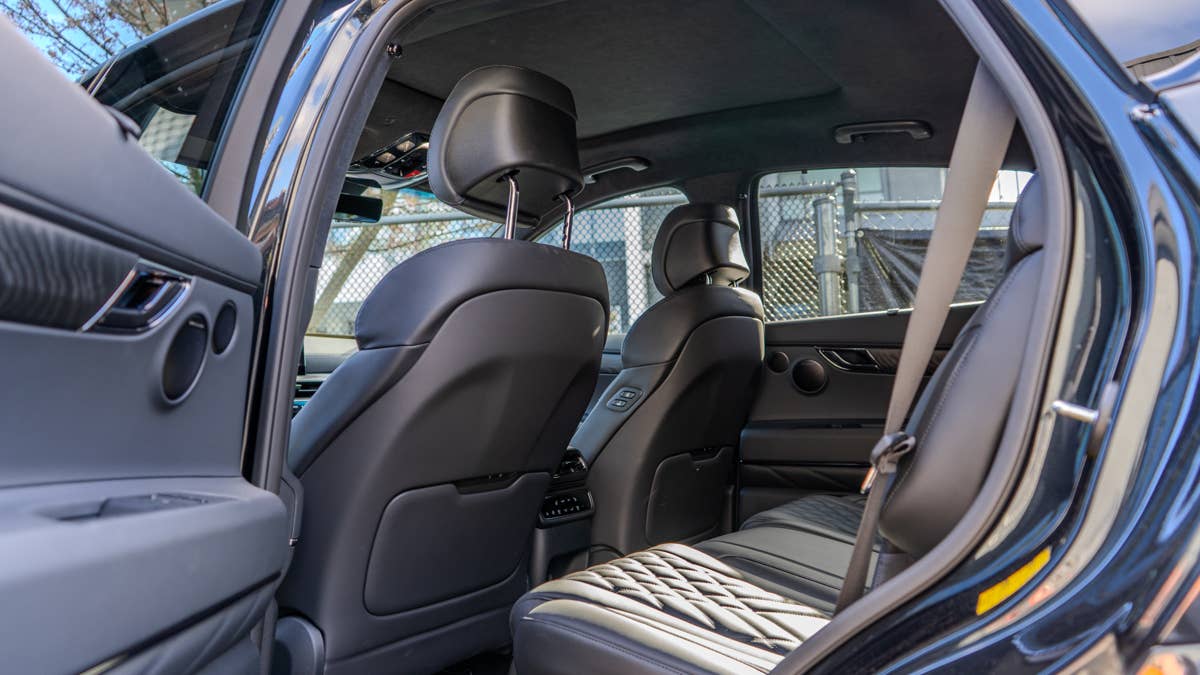
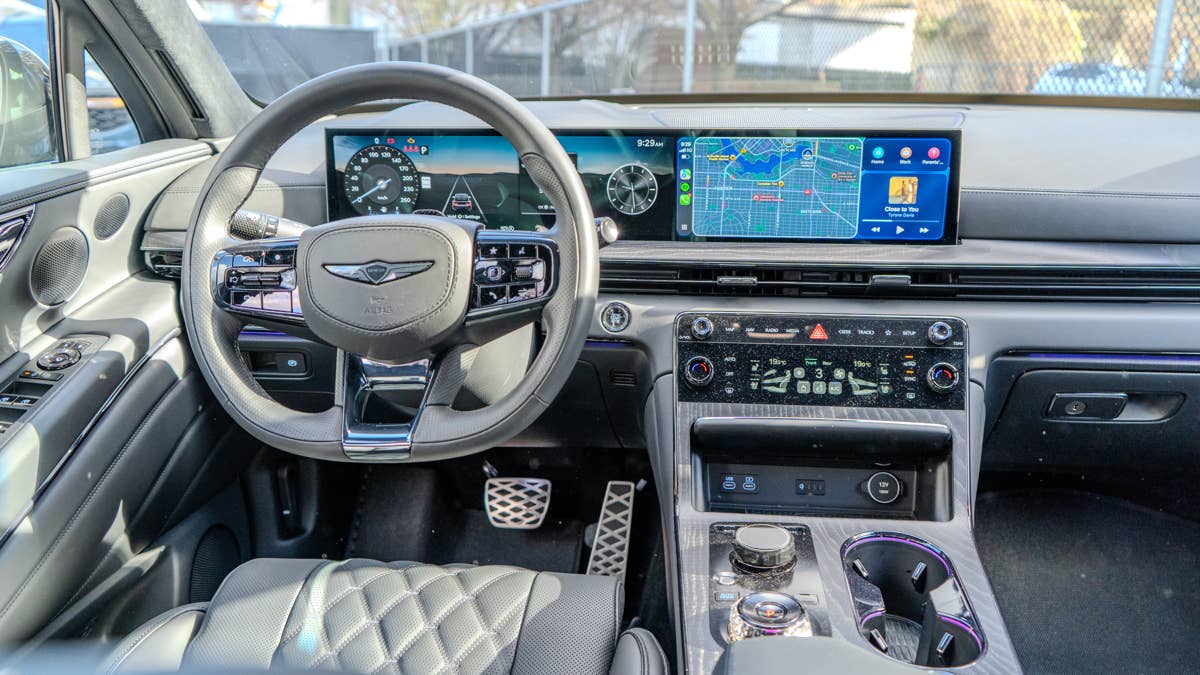
Open the doors, and the balance of power shifts. The GV80 Coupe’s cabin feels richer, more dramatic, and much more modern than the MDX’s. Genesis gives it a 27-inch OLED display, a beautifully integrated dashboard, richer material choices, and a general sense that the design studio retained more creative control than most automakers’ accounting teams will allow for these days. Prestige Black trim only deepens that effect, giving the cabin a darker, moodier, more imposing feel. Genesis also offers Bang & Olufsen audio, quilted leather, and the kind of fit and finish that make the whole thing feel properly expensive.
The Acura’s interior is still attractive and well-made. In a vacuum, it would feel like a very nice place to spend time. But next to the Genesis, it feels old. Bluntly, the GV80 makes the MDX seem like it was designed ten years ago. Acura’s layout is more conventional, more Honda-adjacent, and less theatrical. That is either a criticism or a compliment, depending on your values. Because there is another side to that Honda-ness. It dilutes the MDX’s luxury aura, yes, but it also enhances its dependability-focused appeal. There is plainly less flourish here, less risk, and arguably less to go wrong in the long term. Some buyers will find that reassuring. Still, in this price bracket, the Genesis feels more appropriately luxurious. The switchgear is nicer, the materials are richer, and the whole cabin has more confidence. It simply feels like the more expensive thing because, in many respects, it is.
Cole Attisha
Practicality Favours the Acura, Even When Considering the Three-Row GV80 SUV.
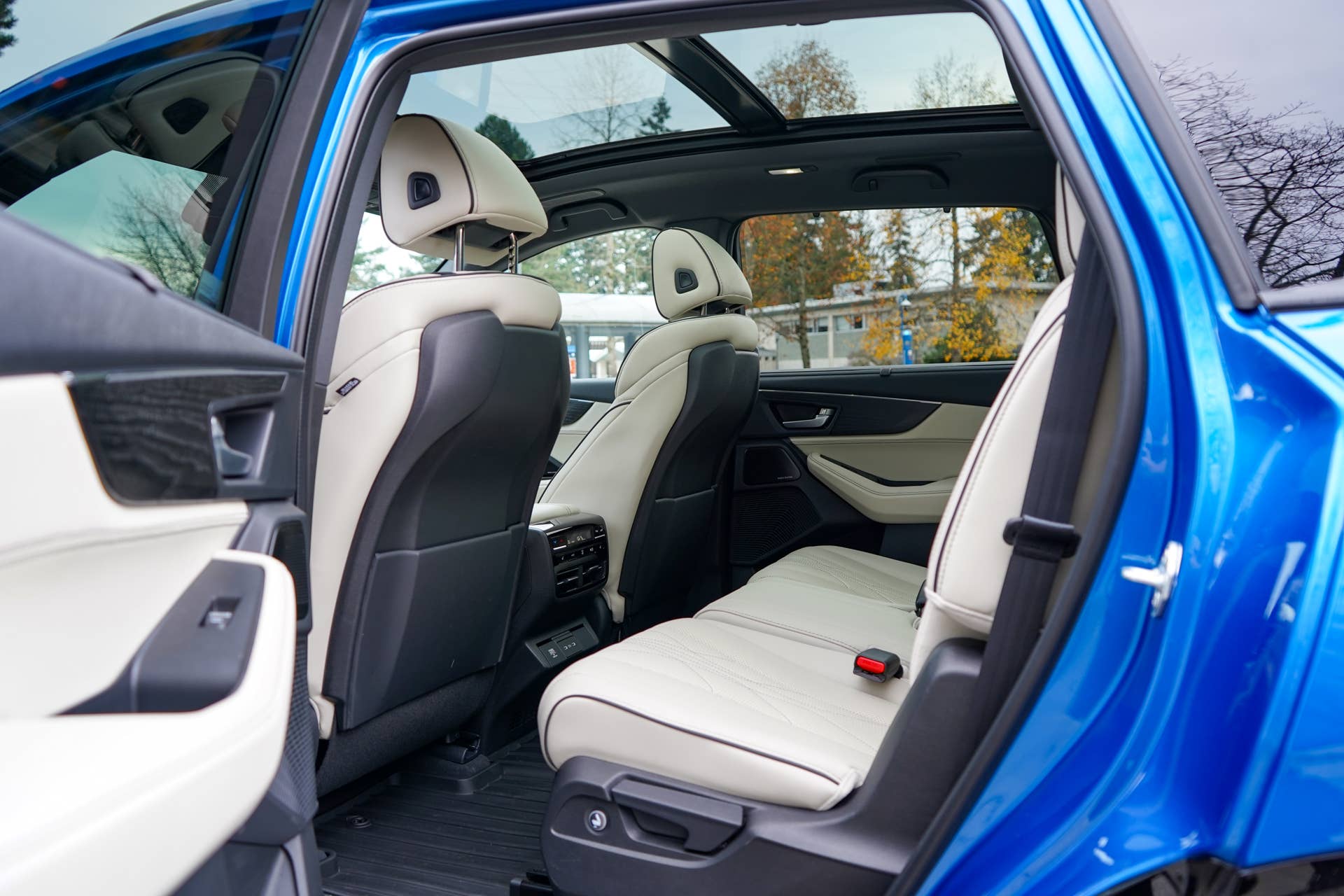
Since I tested the GV80 in Coupe guise, the Acura has a clear packaging advantage. The MDX Type S is a three-row midsize luxury SUV. Total passenger volume is 139.1 cubic feet, with cargo space of 18.1 cubic feet behind the third row, 48.4 cubic feet behind the second row, and 95.0 cubic feet at max in its most expansive configuration. Towing capacity is 5,000 pounds on SH-AWD models. The GV80 Coupe, by contrast, is a two-row five-seater. Genesis lists 108.7 cubic feet of passenger volume, 29.3 cubic feet of cargo space behind the second row, and a max of 61.1 cubic feet. That looks like a knockout win for Acura, and in day-to-day family use, it certainly is. The MDX feels more spacious, more versatile, and more honest about its mission. The fact that it shares conceptual roots with the Honda Odyssey becomes an asset here. It is simply better at family duty.
But it is important to note that the GV80 doesn’t just come as a Coupe. The regular 2026 Genesis GV80 starts at $57,700 (or $75,950 for the V6 and all-wheel drive), offers available three-row seating on several trims, and is rated for the same 6,000-pound towing capacity. Behind the second row, the GV80 SUV offers 36.5 cubic feet of cargo space in three-row guise, and just 11.6 cubic feet behind the third row. Genesis clearly positions the standard GV80 as the more directly comparable family SUV here, while the Coupe is the more image-driven version of the same idea. Even so, no matter how you take your GV80, the MDX offers superior interior dimensions and cargo capacity.
Cole Attisha
Which Feels More Modern?
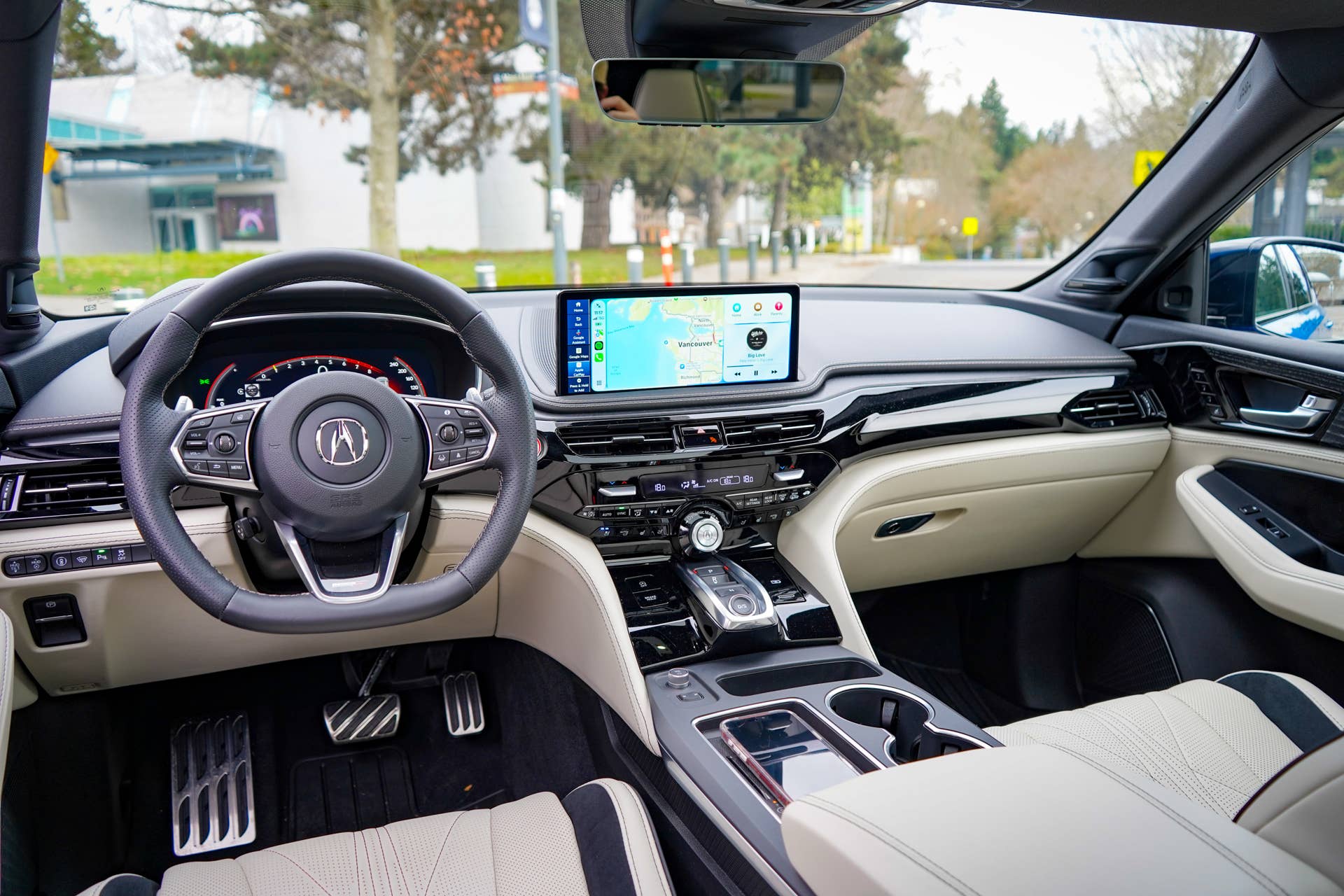
The Genesis’ interface feels newer, more integrated, and more visually coherent than Acura’s. The giant OLED display helps, but so does the broader sense of polish. The Acura’s tech works well enough, but the Genesis feels like the more advanced vehicle in every aspect except driver feel and packaging efficiency. It also feels more successful at making that modernity seem elegant rather than gimmicky and overly futuristic. Genesis’ available camera systems, parking tech, and wide-format display all contribute to a cabin that feels current in a way the MDX simply does not. That said, the Acura still has one party trick worth bragging about: its Type S Advance trim includes a 31-speaker Bang & Olufsen audio system with 12 headliner-mounted speakers and an 8.8-inch subwoofer, which is outrageous in the best possible way, delivering upwards of 1,700 watts of power across 24 channels. The GV80 Prestige Black, by contrast, offers an 18-speaker Bang & Olufsen system, which delivers just 1,400 watts across 14 channels. If you’re an audiophile, the MDX Type S offers a superior soundtrack from both its quad-exit exhaust outlets and its speakers.
Cole Attisha
Fuel Economy and Towing Are Closer Than Their Personalities Suggest
Neither of these is even remotely thrifty at the pump, but they are closer on paper than their characters might lead you to expect. The MDX Type S is rated at 17 mpg city, 21 highway, and 19 combined. Genesis rates the GV80 Coupe at 17/22/19 mpg in standard 3.5T form and 16/22/19 mpg in e-S/C MHEV form. So, as far as you’d ever be able to tell from the driver’s seat, both SUVs achieve nearly identical fuel efficiency. Genesis, however, does pull ahead on towing. The GV80 Coupe is rated for 6,000 pounds, while the MDX SH-AWD tops out at 5,000.
Cole Attisha
Verdict: The Acura Is for Driving. The Genesis Is for Showing Up.
Without a doubt, the Acura MDX Type S is the better choice for the luxury SUV buyer who still wants to feel involved. It is more precise, more natural, more rewarding, and more practical. It is the one for the parent who needs space and comfort, but is not ready to give up driving something genuinely enjoyable. The Genesis GV80 Coupe is the better choice for the buyer who wants a luxury SUV that makes a statement while retaining substance. It is more glamorous, more imposing, more modern, and more expensive-feeling in nearly every tactile and visual sense. It is also the one that better suits a younger buyer, or at least a buyer who wants to look as though they still have somewhere more interesting to be.
Cole Attisha
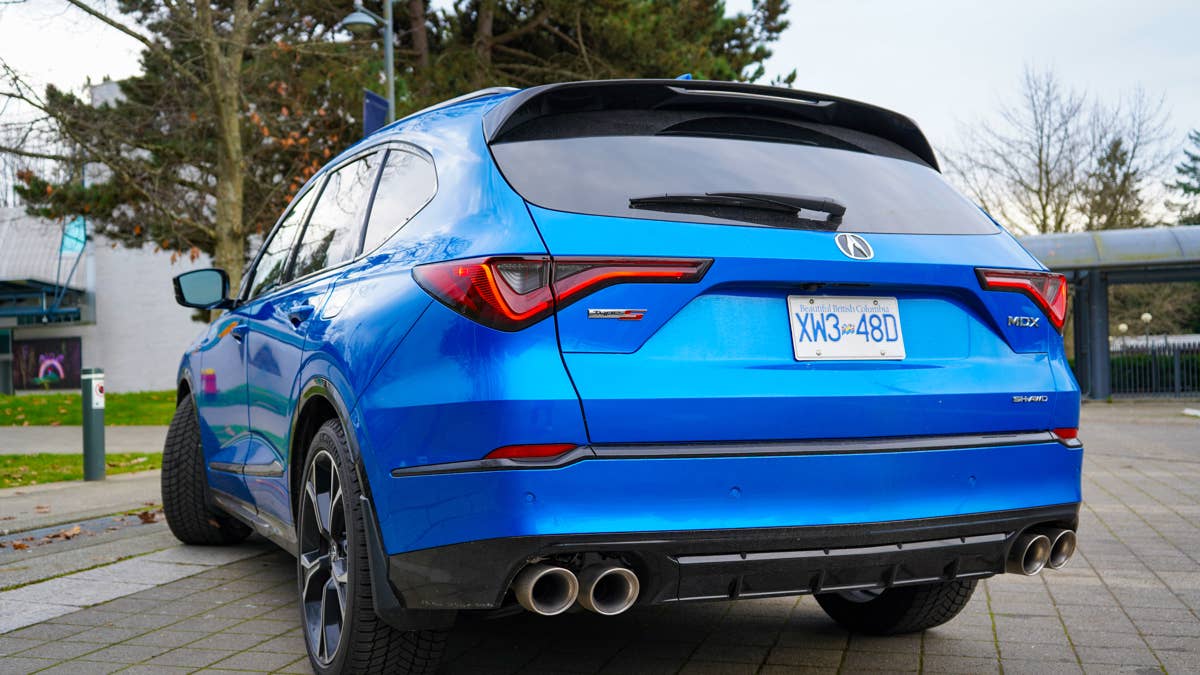
Personally, I would choose the Genesis in the end. It just feels more appropriately luxurious for the money. But I would do so knowing full well that every time an MDX Type S rolled up beside me at a stoplight—especially in striking Apex Blue Pearl—some part of me would still feel extremely jealous of its driver. So no, there is no universal winner here. The Genesis looks and feels more expensive, but the Acura is the more exciting one to drive. Choose the one that best aligns itself with your own unique perception of luxury.