Lexus introduced the all-new ES sedan last year in both hybrid and EV flavors, but we’ve had to wait until now to find out how much it costs. While more expensive than the outgoing ES, the new one still starts at under $50,000. This keeps the midsize sedan’s strong value proposition alive, as the ES has typically undercut smaller compact luxury sedans from BMW and Mercedes-Benz. Another surprise is that the new ES is cheapest with the fully electric powertrain, so let’s take a more detailed look at pricing.
2026 Lexus ES Pricing
Lexus
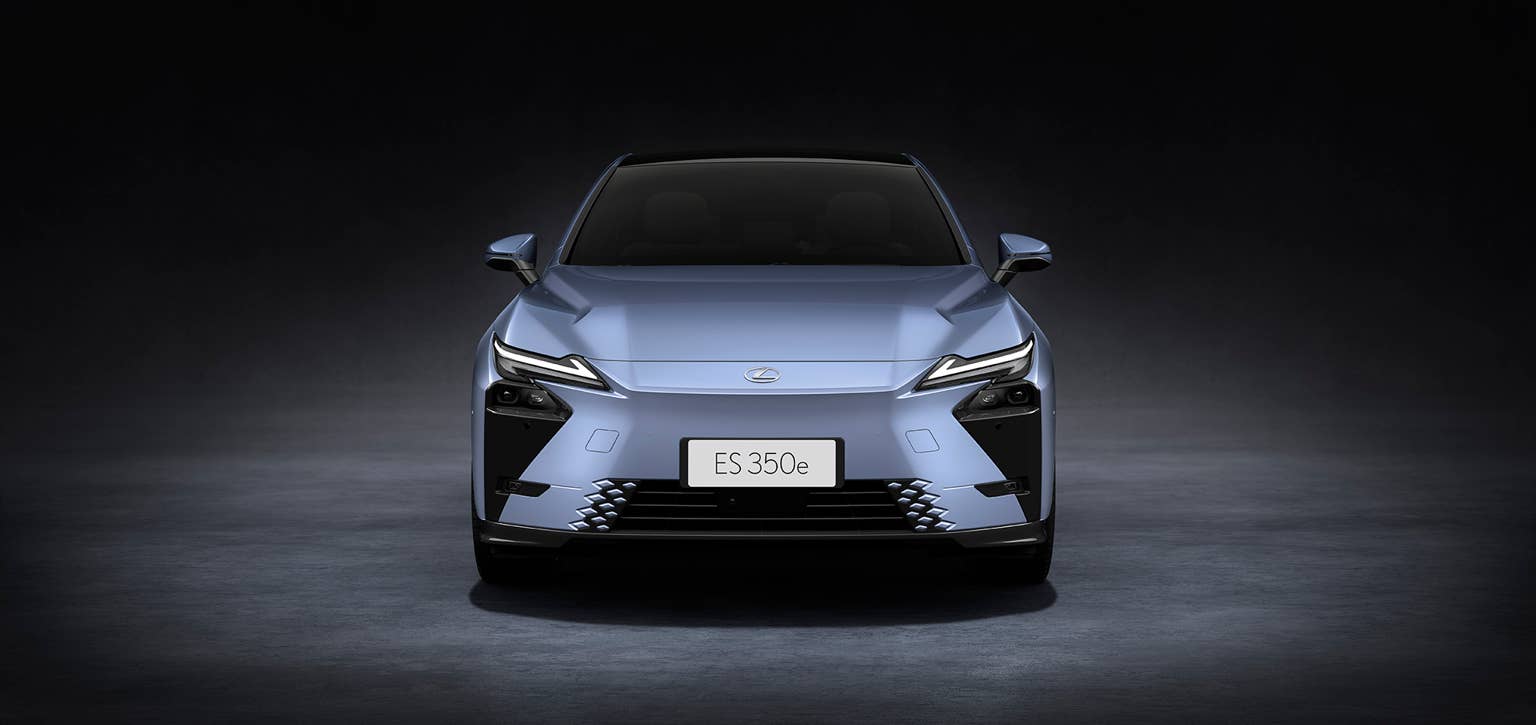
Lexus quietly shared the cost of the new ES in a pricing sheet on its press site. The cheapest model is the ES 350e Premium, which starts at $48,795, a price that includes a destination fee of $1,295. The cheapest hybrid is the ES 350h Premium, which goes for $50,995. Very few EVs are cheaper than their hybrid equivalents, but the ES is an outlier in this regard. For reference, the outgoing ES Hybrid started at $44,835. Here’s a look at all prices for the 2026 ES:
- ES 350e Premium: $48,795
- ES 350h Premium: $50,995
- ES 500e Premium: $51,795
- ES 350h Premium AWD: $52,395
- ES 350h Premium+: $55,795
- ES 350h Premium+ AWD: $57,195
- ES 350e Luxury: $57,195
- ES 500e Luxury: $60,195
To put those prices into perspective, BMW’s electric i5 will cost at least $67,100 and the base Mercedes-Benz EQE costs $64,950. The most affordable 5 Series hybrid is way up at $75,500. Even Genesis charges at least $58,450 for the non-hybrid G80, so the new Lexus ES comfortably undercuts all of them.
Lexus
The ES’ price is closer to many compact sedans, and not all of them are luxury models. The mid-range Hyundai Ioniq 6 SEL costs $45,600, only just short of the $47,500 base ES 350e (excluding the destination charge for both).
Related: Let’s See How the 2026 Lexus ES Compares to Audi’s A6 & BMW’s 5-Series
Lexus ES Hybrid Vs ES EV: What’s The Better Buy?
Lexus
Just over $2,000 separates the base hybrid and EV versions of the new ES. The hybrid has a 2.5-liter four-cylinder engine and electric motors to produce 243 horsepower combined, above the base EV’s 220 hp. Performance for these cheaper models is similar; the front-wheel-drive hybrid needs 7.4 seconds to hit 60, while the FWD EV takes 7.7.
The FWD EV has a 300-mile range. Although we don’t know the mpg ratings or gas tank size of the hybrid, it should easily have a much longer range. Both base models are Premium trims, so the standard and optional features should mirror each other.
If this will be your only car, the hybrid may be the better choice due to its expected longer range. But if this will be your second car and there’s another gas-powered model in the household, the cheaper EV’s greater refinement and similar performance are appealing.
Higher up in the lineup, the $51,795 ES 500e Premium may just be the pick of the bunch. With 338 hp and AWD, it needs only 5.4 seconds to reach 60, easily quicker than even the AWD Hybrid. The only downside? It has a range of just 250 miles.
Related: The Last Lexus ES Made in America Rolls Off the Production Line
Final Thoughts
For years, buyers have been waiting for price parity between gas and/or hybrid models and EVs. The new Lexus ES finally achieves that. In fact, we expect many consumers will have a tough time deciding between the hybrid and EV versions, so closely are they matched in price and performance. As with the BMW 5 Series and electric i5, the ES also looks the same regardless of the powertrain you choose.
If you can live with the limited range of the EVs and have the ability to charge at home, these models stand out. If not, the hybrids are likely to be similar to drive and will be better for buyers afraid of range anxiety.