One of the Volkswagen Group’s most widely used engines is at the center of a new class action lawsuit in the United States. VW and Audi have been sued because the 2.0-liter four-cylinder turbo mill, codenamed EA888, allegedly uses too much oil due to defective piston rings. Plaintiffs claim the vehicles have lost value because of this. Some of the company’s most popular vehicles use the EA888 engine, including the VW Tiguan (over 78,000 units sold last year alone) and Audi Q5 crossovers, potentially implicating hundreds of thousands of models across the United States.
All The VW and Audi Models Affected
2021 Volkswagen Tiguan
The 2.0-liter TSI engine has been in production in some form since 2008. However, the lawsuit—which was filed in the U.S. District Court for the District of New Jersey—only mentions models from the 2018 model year and newer:
- 2018-2021 Volkswagen Tiguan
- 2018-2023 Volkswagen Atlas
- 2018-2022 Volkswagen Passat
- 2018-2024 Volkswagen Jetta GLI
- 2018-present Audi Q3
- 2018-present Audi Q5
- 2018-present Audi Q7
This 2.0L mill has been used in various states of tune, but typically delivers an excellent combination of performance and efficiency. In the sporty Jetta GLI, the engine produces 228 horsepower and 258 lb-ft of torque, enough for a 0-60 mph sprint time of under six seconds. It’s versatile enough that it also powers the much larger Audi Q7.
What Exactly Is Wrong With The EA888 Engine?
V
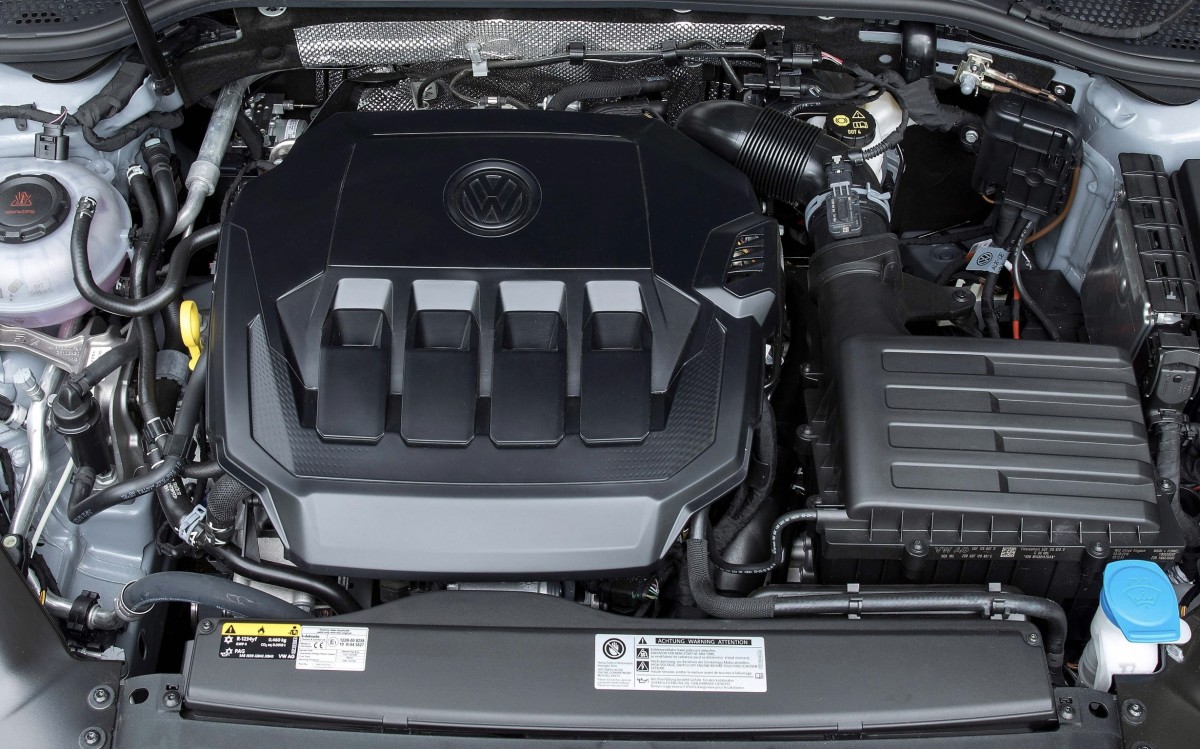
The class action lawsuit claims the piston rings have insufficient tension, allowing oil to pass into the combustion chamber, according to Car Complaints. Once there, the oil burns, creating carbon buildup that damages the PCV and causes it to stick. The pressure in the crankcase eventually damages the gaskets and seals. Valve covers, timing chain seals and gaskets, and the plastic oil pan cover have also been found to be prematurely damaged.
Plaintiffs have experienced symptoms like excessive oil use, oil leaks, and an illuminated check engine light. Lauren Reece, one of the plaintiffs and the owner of a 2021 Tiguan, says the crossover began running rough and couldn’t accelerate past 40 mph when driving in June 2025. A cracked oil pan and failed PCV valve were identified, but even though the vehicle was “nominally repaired” by the repair shop, she claims equally defective replacement parts were used. The Tiguan had only covered 49,226 miles at the time.
Another plaintiff with a 2021 VW Atlas ran into trouble at 62,000 miles. Even after repairs, the vehicle was still defective. Plaintiffs also allege that dealers have refused to honor the warranties.
What The VW-Audi Class Action Lawsuit Means
Volkswagen
Any engine lawsuit is bad for an automaker’s reputation—just ask Honda, which has been sued for issues with its popular 3.5-liter V6. Like the Honda engine, VW’s lawsuit afflicts a particularly widespread engine that powers everything from affordable compacts to large luxury models. Worryingly, the EA888 already got VW into trouble last year, when the company settled a class action lawsuit over premature turbocharger failures. That was a different issue to the one mentioned here and points to the EA888 possibly being more fragile than initially thought.
Repair costs for vehicles outside their warranty period could be prohibitive. Carbon cleaning can run anywhere from $400 to $800, but something more serious like a timing chain tensioner could cost close to $2,000 for the Audi Q5, according to RepairPal. Piston ring damage could result in much more expensive engine repairs.
Owners of the vehicles mentioned should closely monitor oil levels and immediately consult dealers should any issues materialize when driving, as taking action before more serious damage occurs could save you thousands.