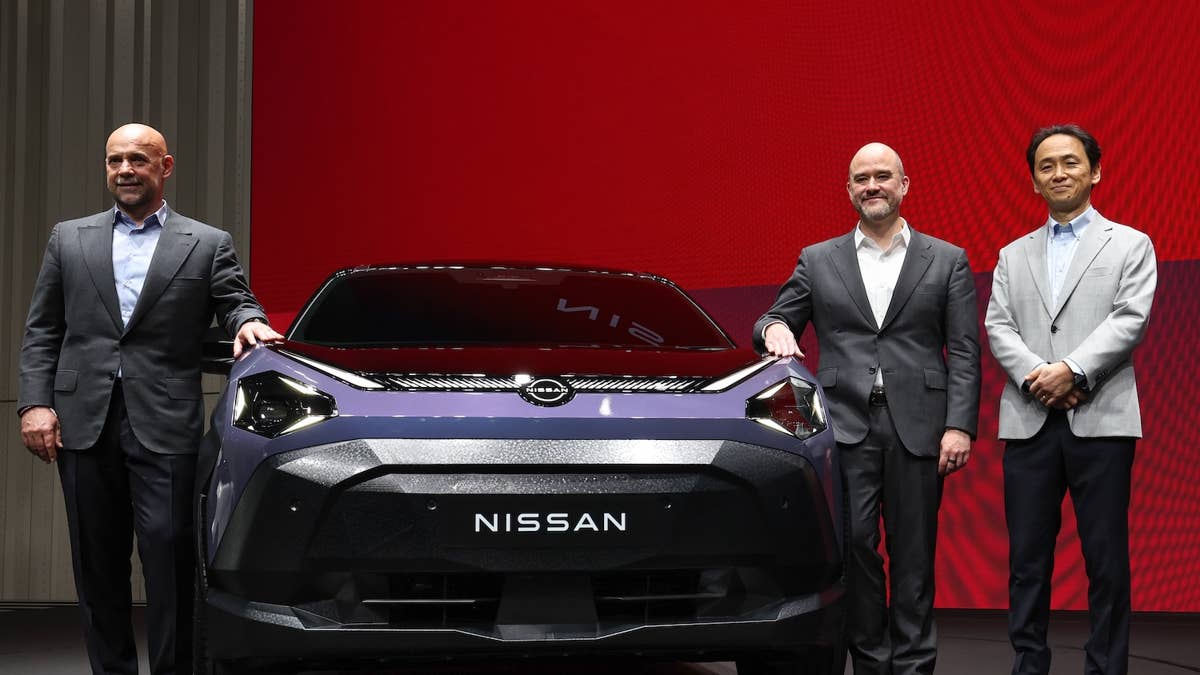
Toyota’s global production grew for the fifth consecutive month in October, rising 4% year-over-year to 926,987 vehicles, fueled largely by surging hybrid demand in the United States. Global sales climbed 2% to 922,087, marking the automaker’s tenth straight month of sales growth, according to Toyota’s latest data. The results show the company’s increasingly hybrid-heavy strategy, including major new investments.
While hybrid demand continues to soar abroad, Toyota is also refining its approach in markets like China, where the brand is now leaning on emerging partnerships and localized EV tech to regain momentum. The October numbers show exactly why the company is doubling down.
Toyota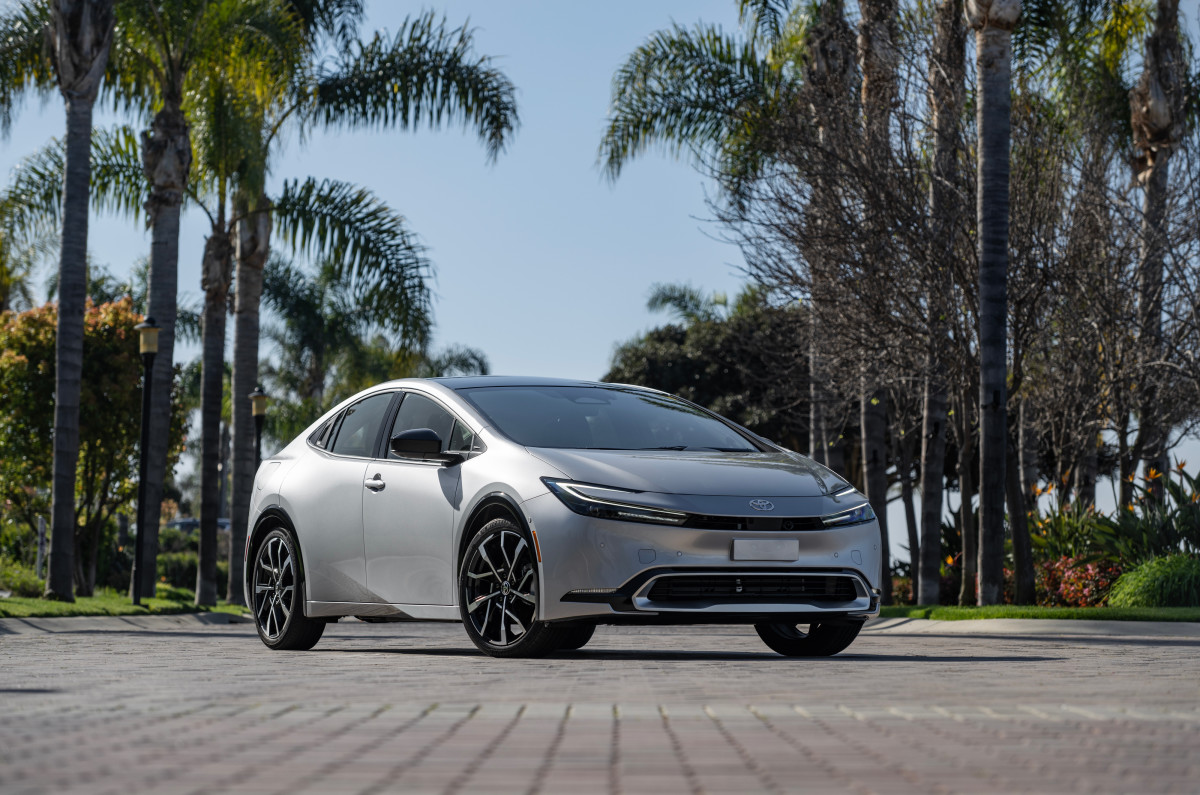
U.S. Production Surges 26% as Hybrid Demand Stays Red-Hot
The United States, Toyota’s most important market, was the strongest performer. Production jumped 26% in October, the fifth-straight month of double-digit growth. The rebound was helped not only by rising hybrid demand but also by recovered output following last year’s production stoppage of two U.S.-built models.
Hybrids remain a core strength for the brand in the U.S., and models like the Prius continue to help drive Toyota’s volume. The company even rolled out lease incentives recently, with competitive offers for the Prius.
Copyright 2015 Brandon Turkus / AOL
Japan and China Lag as Subsidies Fade and Demand Softens
In Japan, Toyota’s home market, production actually increased 7%, but sales dropped 4%. The automaker did not specify why domestic sales slipped, though the overall market in Japan has been uneven in recent months.
China was weaker. Production dipped 6%, and sales fell 7%, pressured by the expiration of regional EV and hybrid subsidies. Toyota has been responding by integrating more Chinese-developed EV and software technology into its lineup, part of a broader strategy to stay competitive amid intense price pressure.
Why It Matters
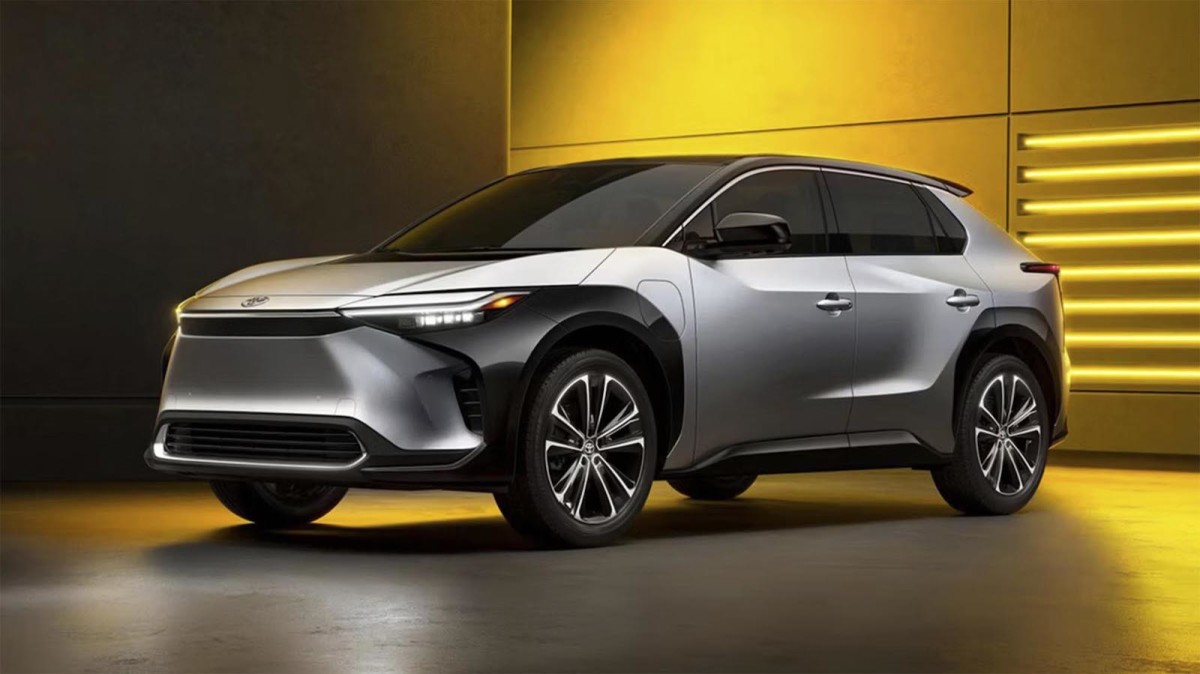
Toyota’s October results show several clear trends shaping its global direction. Hybrids continue to anchor the business, accounting for 42 percent of the 8.7 million vehicles sold so far this year and reinforcing the strength of the company’s long-running strategy. BEV’s still represent less than 2 percent of total volume, highlighting Toyota’s cautious posture toward full electrification as rivals push deeper into the space.
Regional performance is also pulling apart, with the United States driving most of the growth while Japan and China soften. Even with the slowdown in Asia, Toyota’s hybrid-heavy approach is delivering dependable volume and solid profits, and after ten months of rising global sales, the company is moving into the end of the year with noticeable momentum.