Car makers are rather predictable. When the Mustang stampeded onto the scene in 1964, it didn’t take more than a few years before we saw plenty of “pony car” facsimile competitors. In the same way, after first appearing in 1994 the Subaru Outback crossovers were joined by a half dozen similar products in short order. If something is successful in the automotive world, you can be damn sure that it will be copied as quickly as the other brands can get a rival to showrooms. Why shouldn’t they? In fact, I’m usually shocked when I see the rare cases where other car makers don’t copy a winning formula, or they take a flat-out eternity to do so.
One of those products that took forever and a day to get real Big Three rivals is the full-sized pickup-based station wagon with more than two rows of seats (and, later, four doors) that General Motors arguably pioneered as the Suburban. Why did the other Detroit giants drop the ball in making their own profitable heavy-duty family haulers? More importantly, where the hell is our RAM Tahoe and Suburban?
A Century Of The ‘Burbs
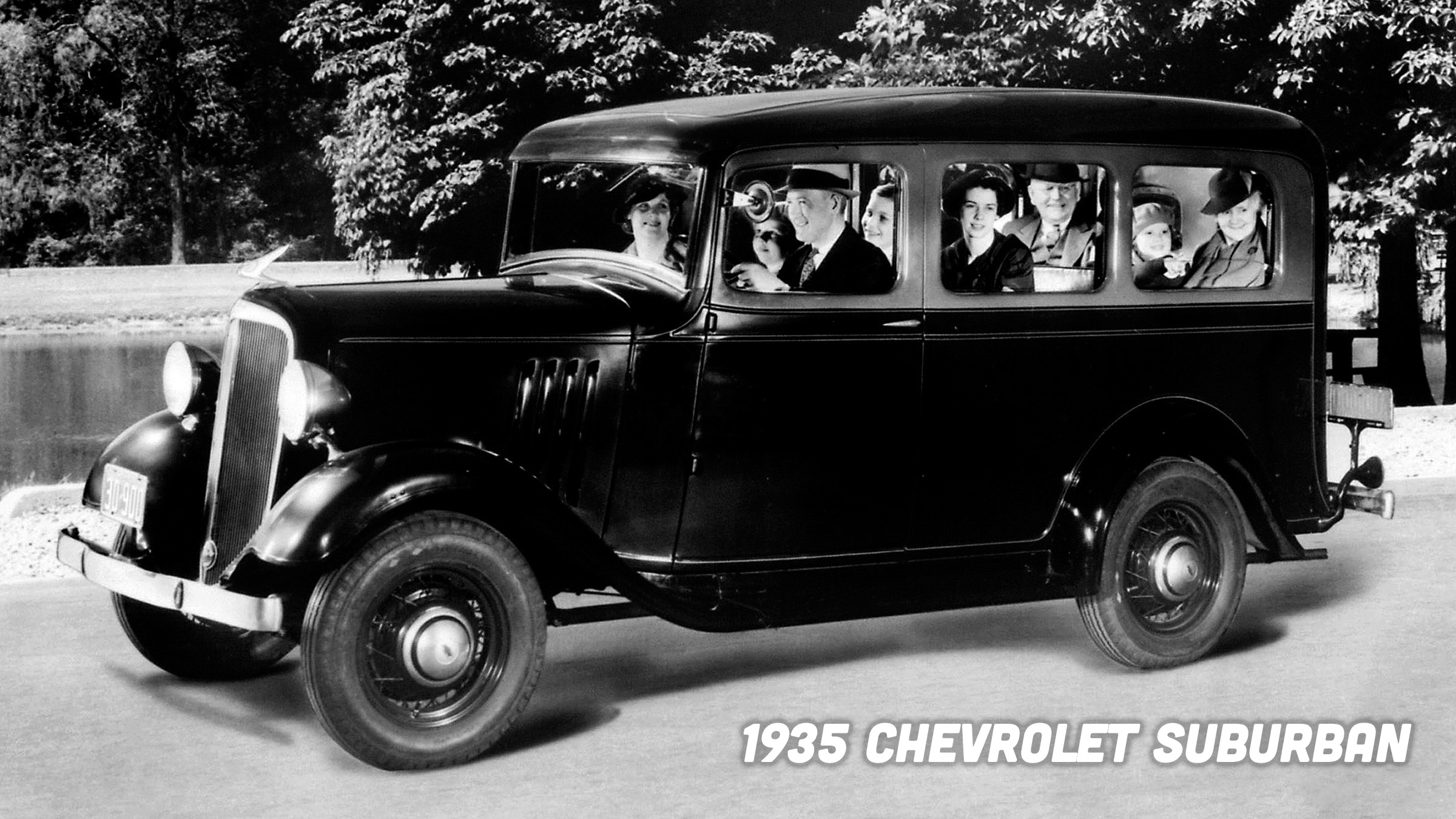
If you ask seasoned car geeks how long General Motors has been making Suburbans, many might say five or six decades. They’d be wrong; it’s hard to believe, but this massive, tall wagon will soon be celebrating its 100th birthday, with the first example having been released in 1935.
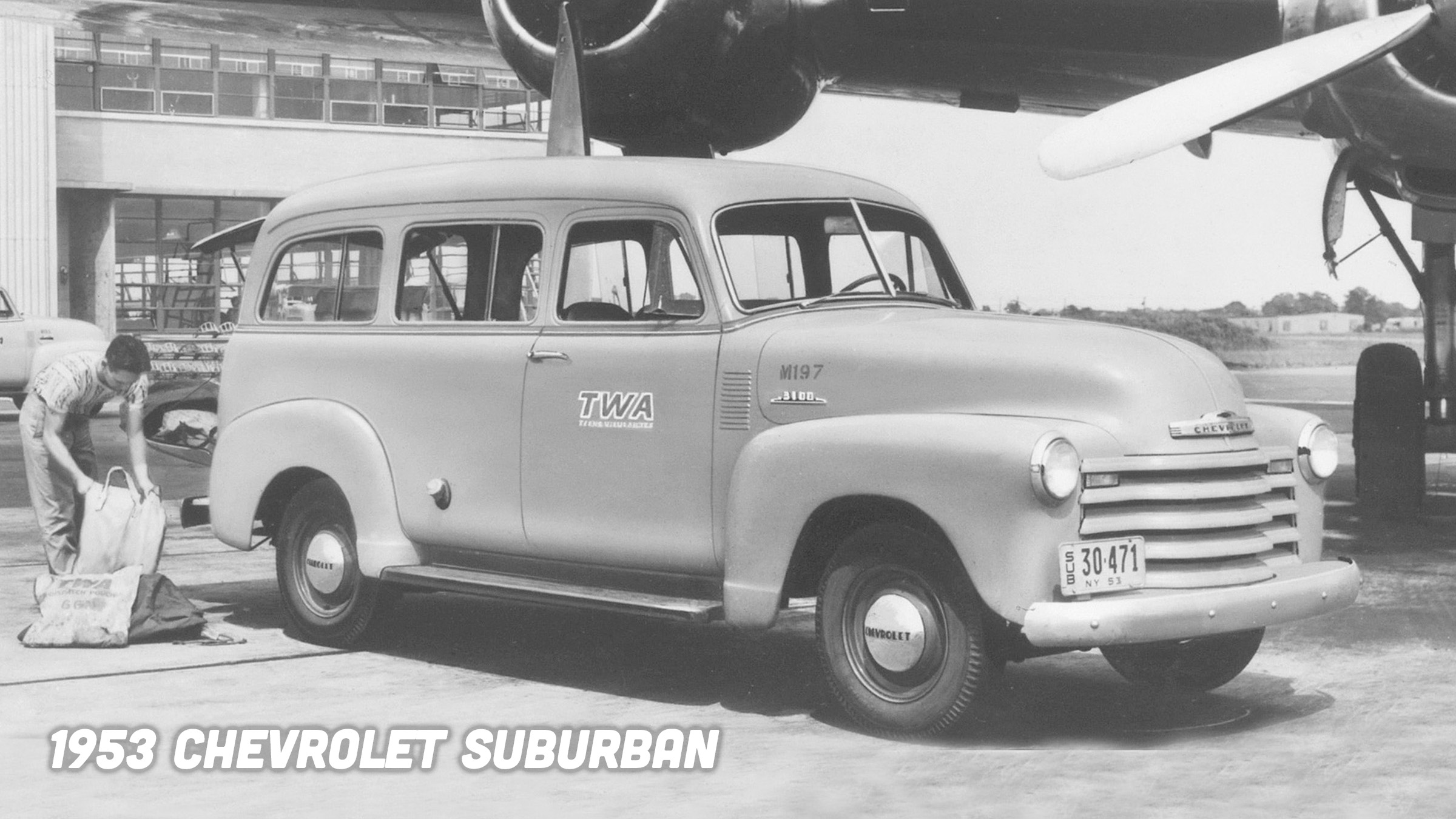
Note that early ones only had two doors up front to access the three rows of seats, which sounds like something requiring major gymnastics to get to the “way back.”
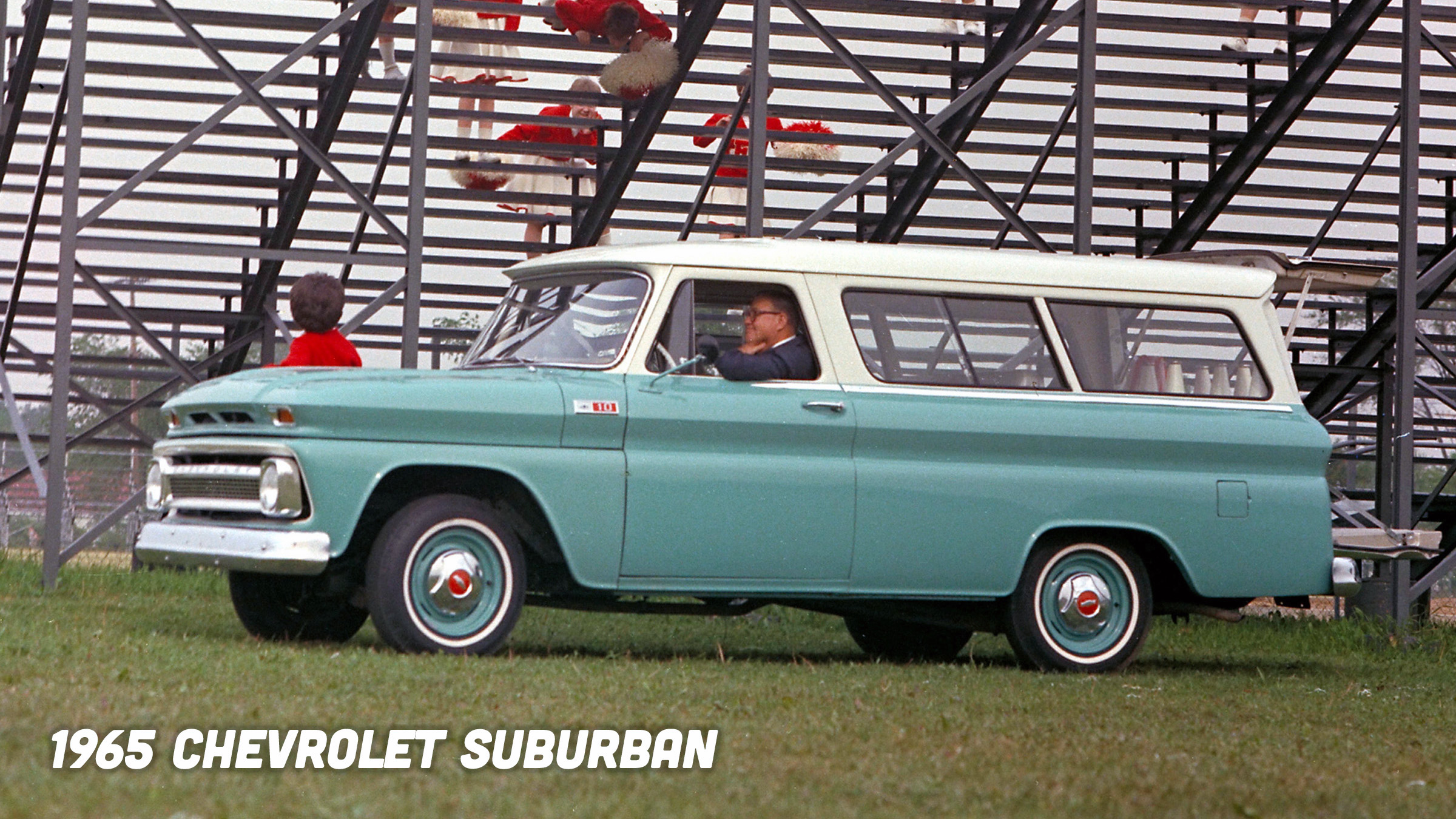
In 1967, a rear side door was finally offered, but only on the passenger’s side.
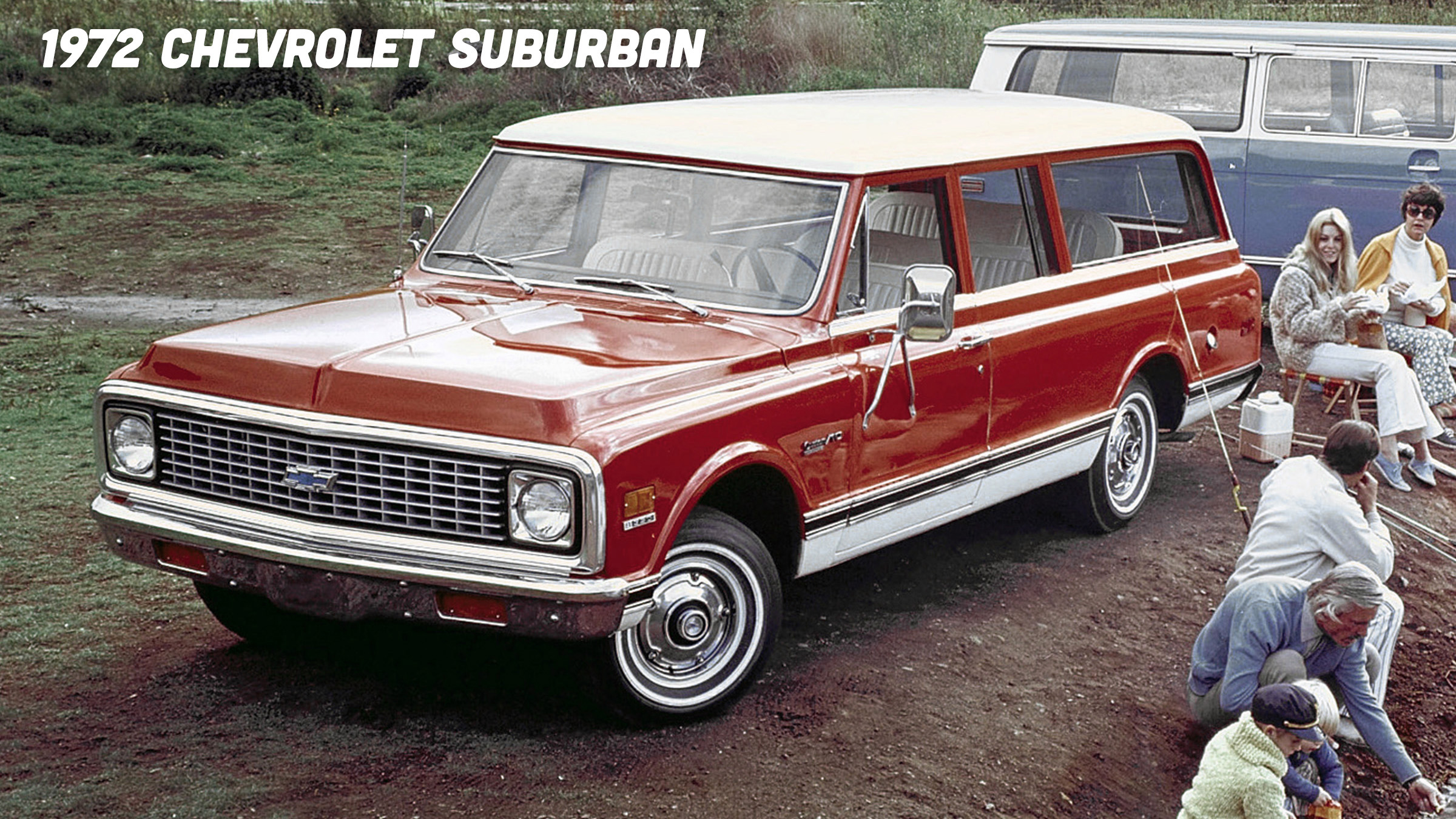
Over the years, the Suburban (either Chevy or GMC branded) changed as new full-sized GM trucks were introduced. Starting with the 1973 models, all Suburbans finally became four-doors.
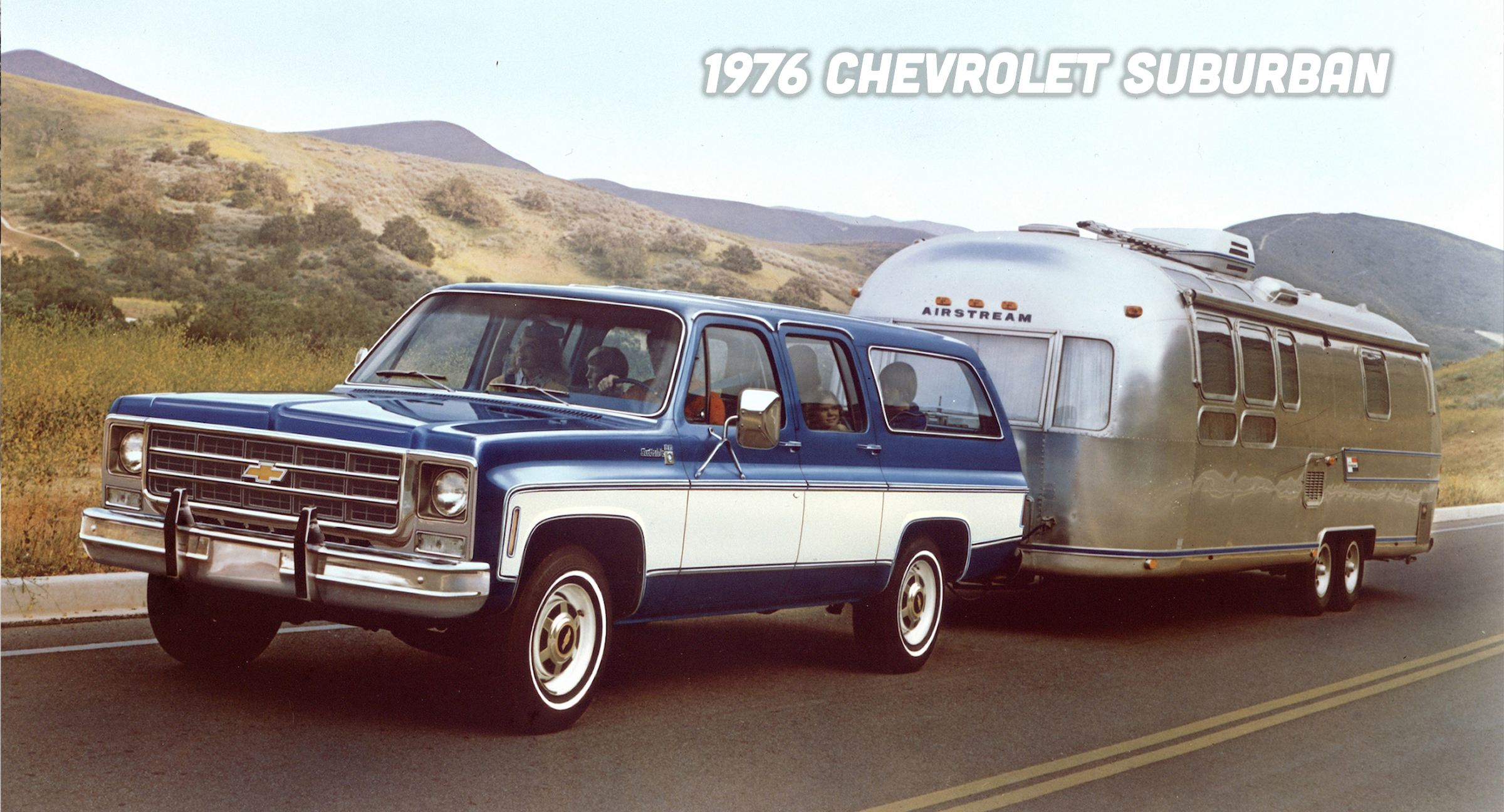
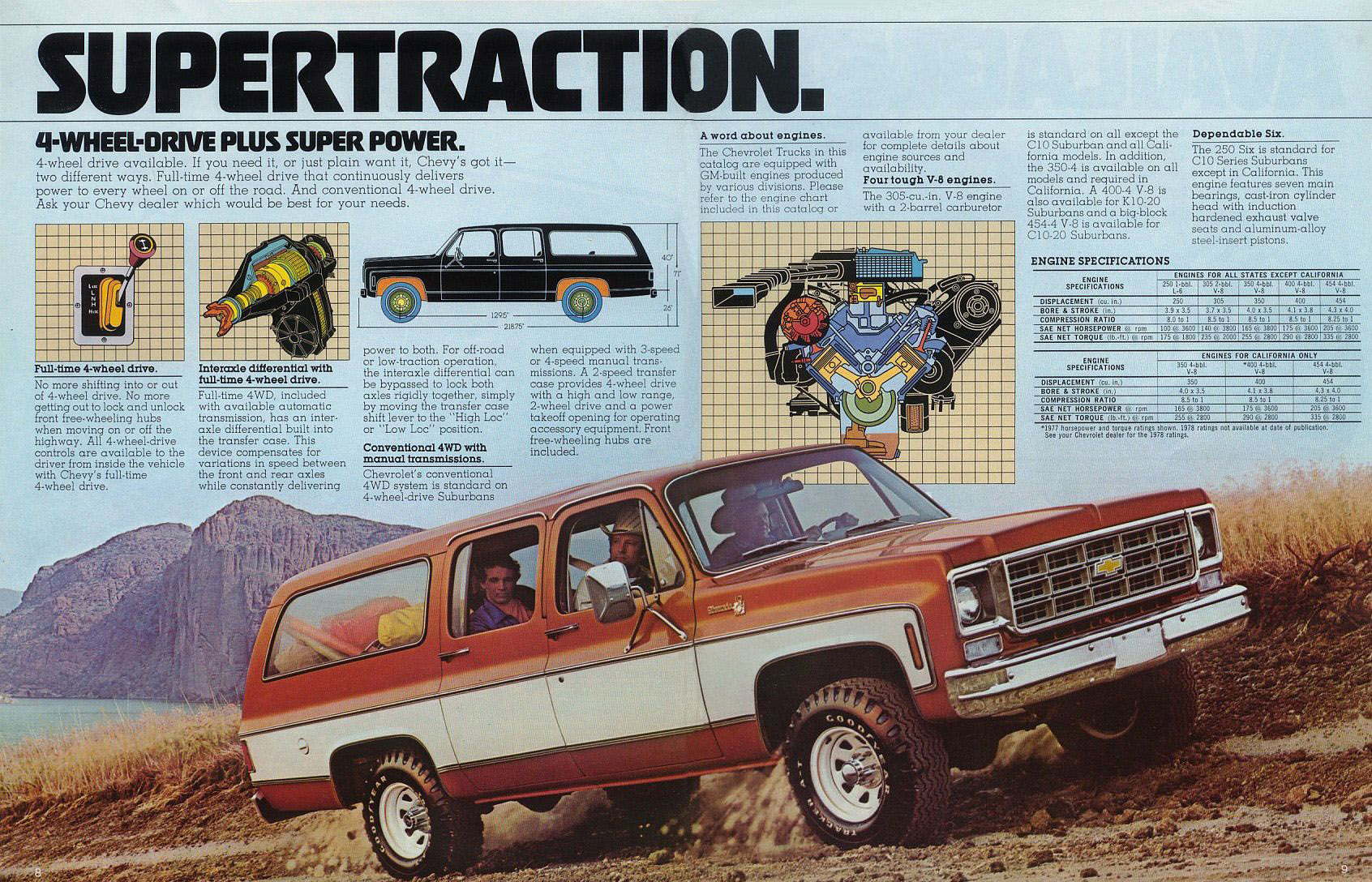
With each new generation, the ‘Burban became more capable but also a bit more car-like to make it a viable option for more people, even if they didn’t want to get 4WD for off-roading or power to tow monstrous 6000-pound campers.
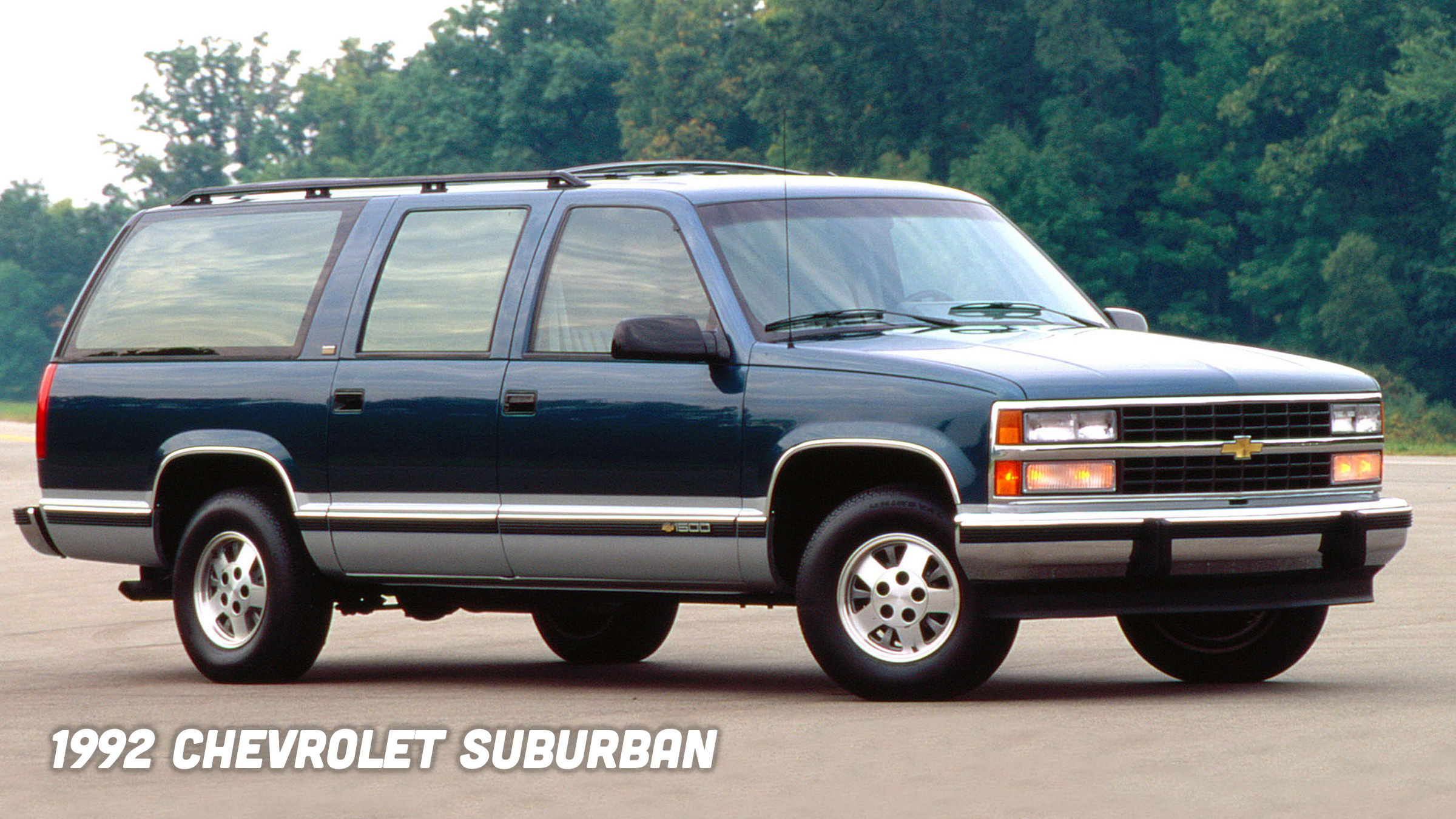
Naturally, the clean GMT400 version is a big Autopian favorite here.
The Suburban (and later the smaller wheelbase Chevy Tahoe-sized versions) proved popular enough to survive numerous financial and energy crises despite their massive thirst and size. Niche-player International Harvester created something similar with the Travelall, and Jeep offered the four-door Wagoneer starting in 1962, but this two-row wagon was a bit smaller than the Suburban and obviously stayed stuck in a time warp where it didn’t really change until its 1991 demise.
What about the other Big Guys, Ford and Chrysler? For much of that time, they offered absolutely nothing similar. Well, almost nothing. Let me explain.
Looks Like A Distorted Bronco From Street View
It’s not that Ford never considered a Suburban fighter decades ago. Photographic evidence shows that they mocked up a fifth-generation (1967-72) F-Series into something dubbed internally as the “Midhorn”. It’s more Tahoe-like than Suburban, but it looks like it might have been a winner and real competitor for GM’s family truck-based wagon entries.
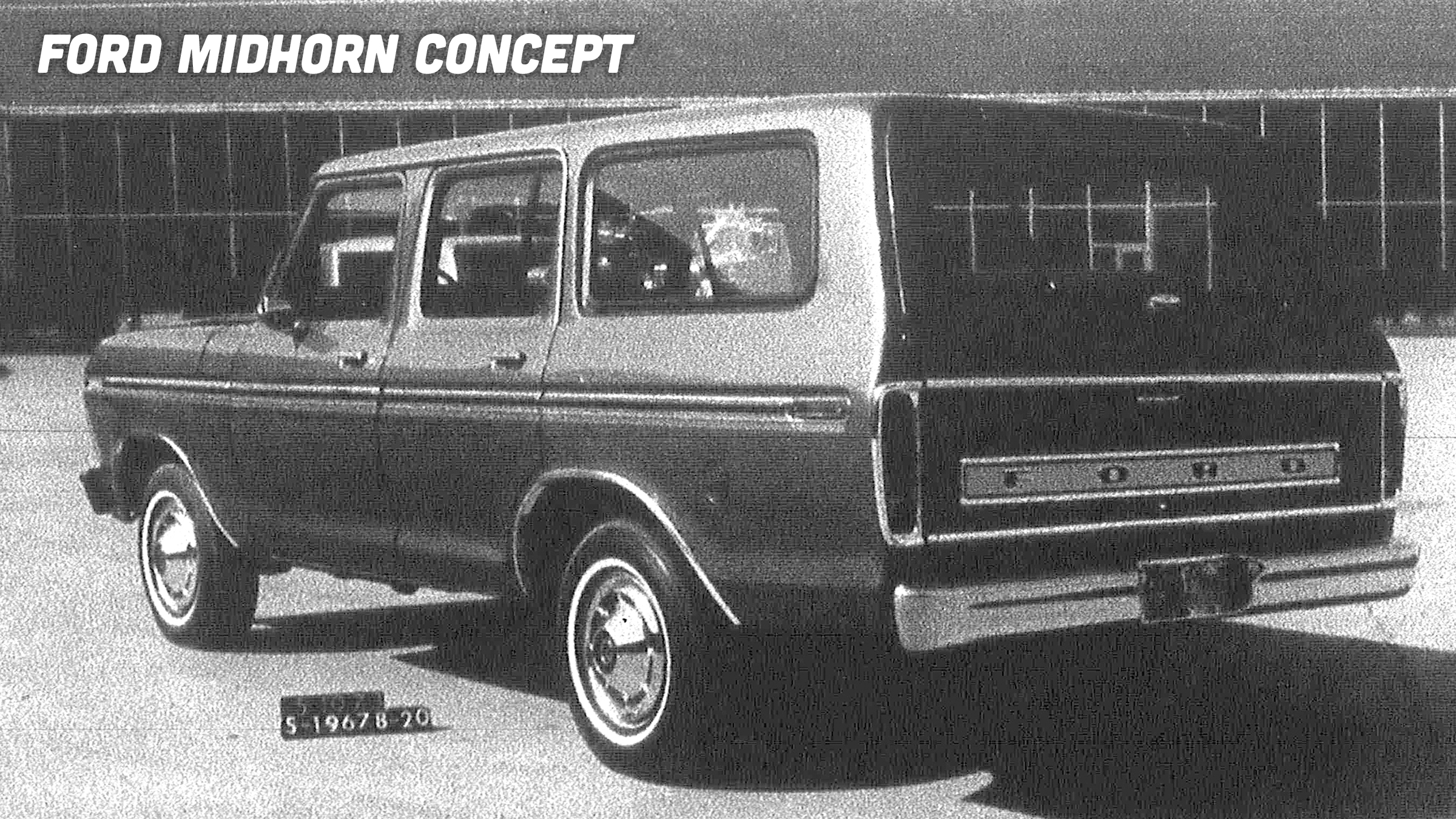
Why did it never see the light of day? I think the reason is the same thing that killed Ford’s Carousel minivan proposal: Henry Ford II. “Hank the Deuce” apparently didn’t want anything with a Blue Oval on it cannibalizing sales of his station wagons like the big LTD (“LTD” meaning “Limited”, as in limited to how many he could sell). That was likely a good short-term decision, but a tragic long-term one.
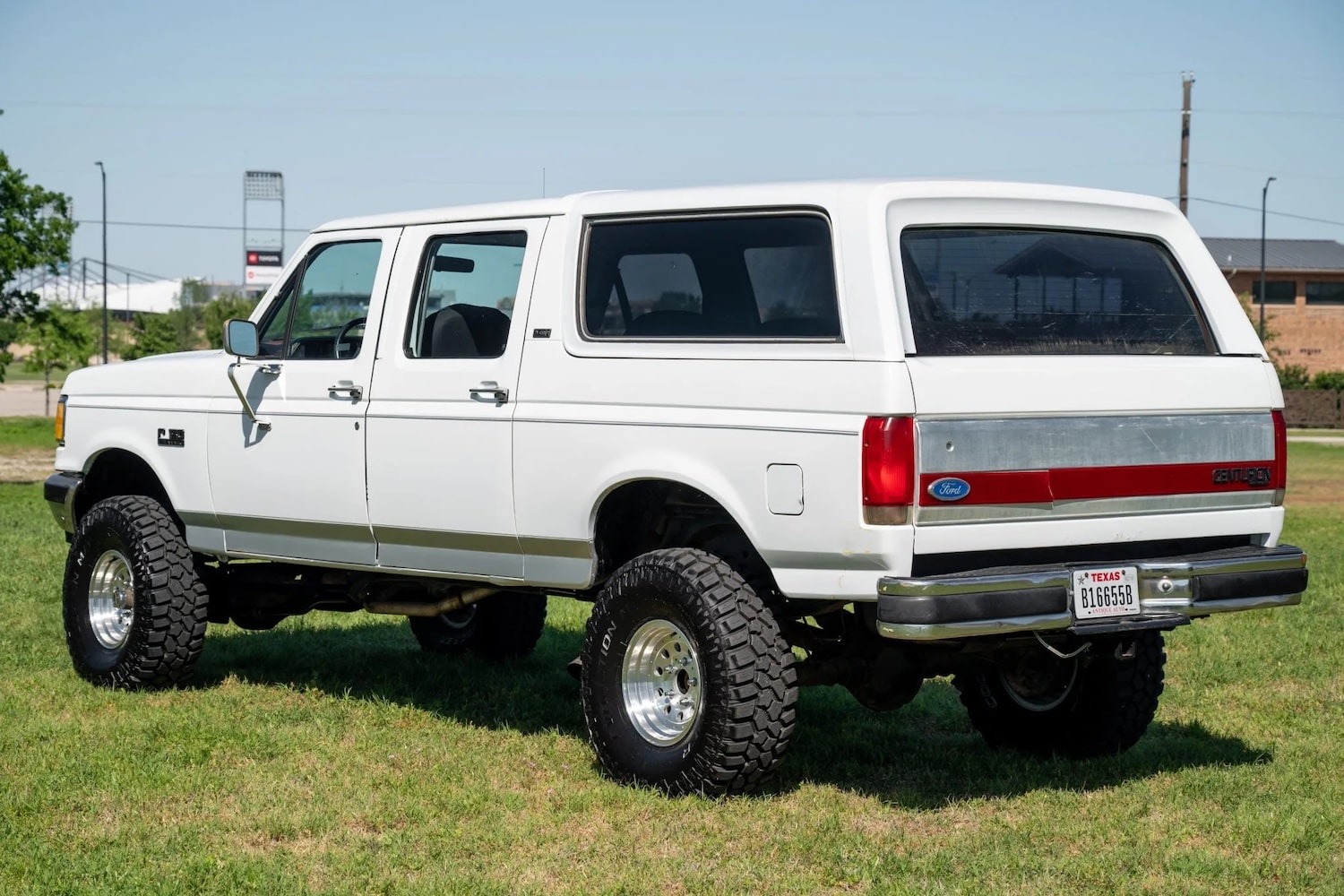
Ford corporate might have turned a blind eye, but the aftermarket certainly took notice of this gap. A number of outside coachbuilders like Centurion (famous for those weird van tow vehicles) took eighth- and ninth-generation Ford trucks and converted them into essentially heavy-duty four-door Broncos.
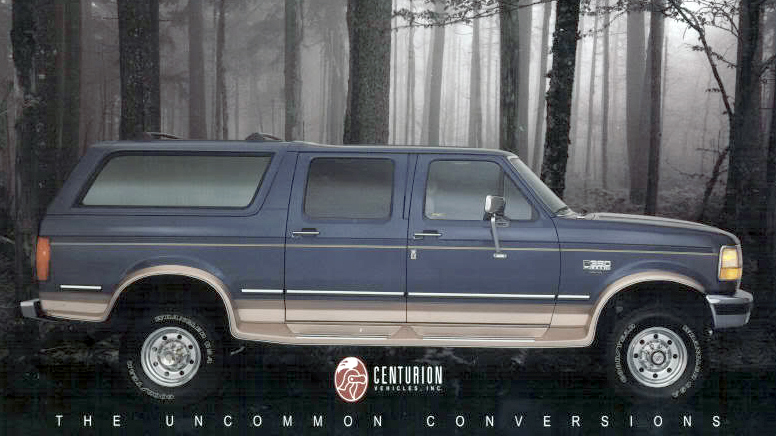
Centurion even went so far as to offer them in both F-150 chassis and heavy-duty F-350 versions:
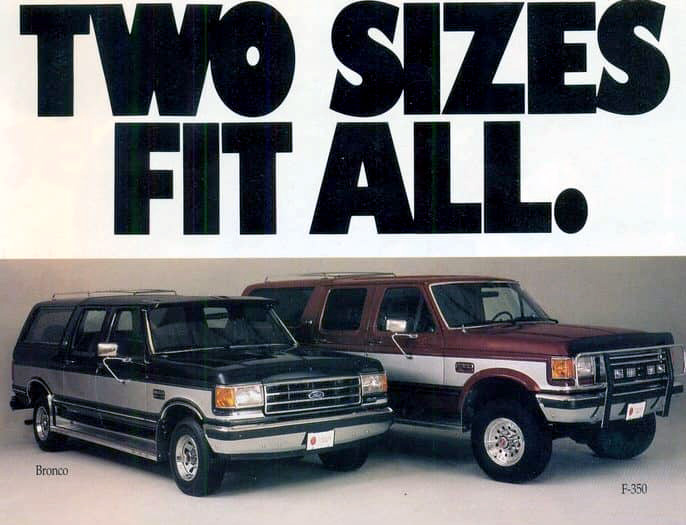
That full-ton F-350-based model with the 7.3-liter diesel was a little longer than the Suburban, so it could out-tow and out-carry the GM products. You probably already know this, but coachbuilders don’t give their services away; at over $40,000 in 1988 dollars, the cost of these converted Fords was not cheap. You’d likely only pick one over a Suburban if you needed the towing capability, liked the engines better, or wouldn’t be caught dead with a bow tie logo on your grille. Only around 4000 were made between 1988 and 1996. Oh, a boomerang TV antenna!
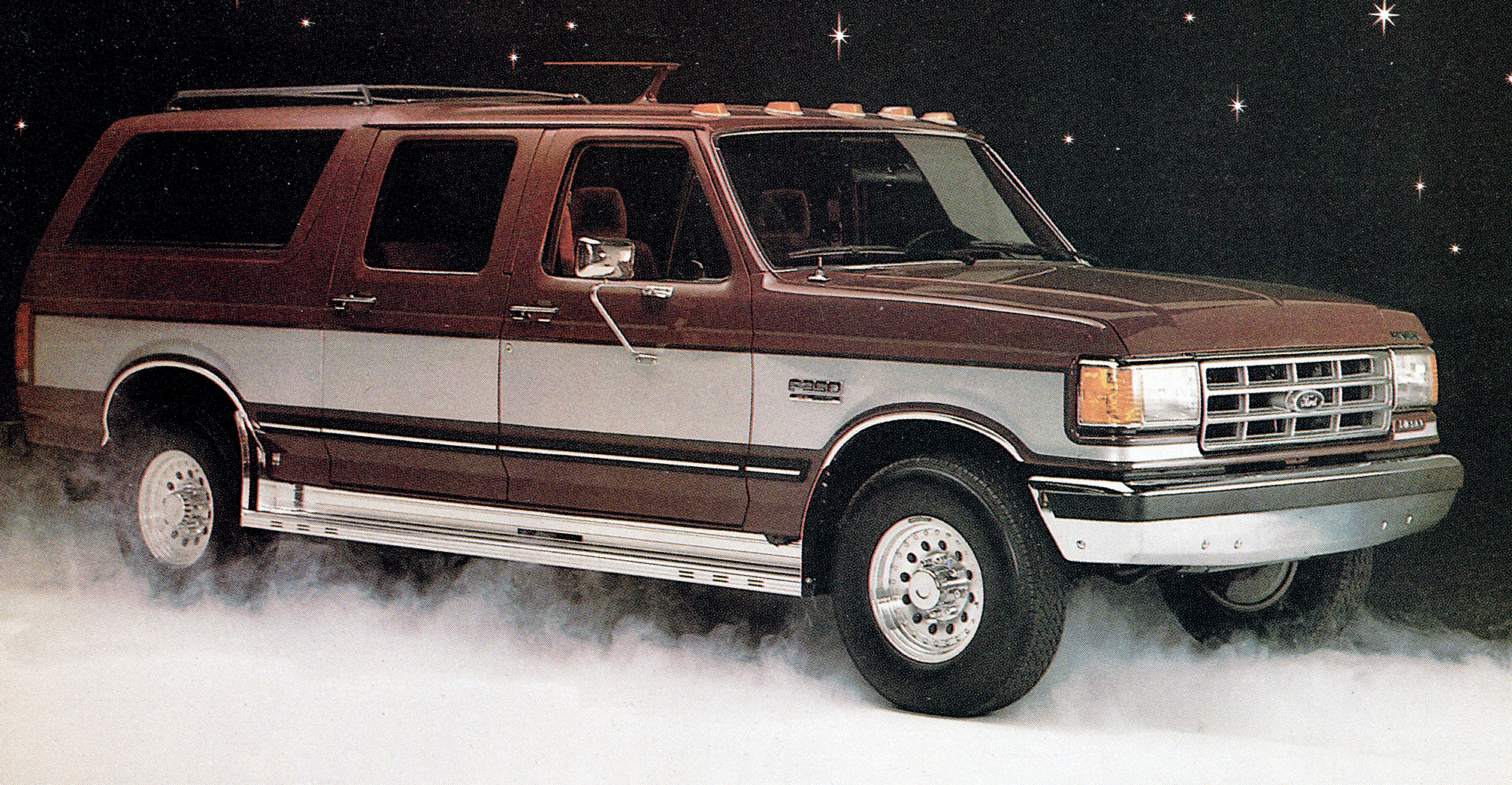
Obviously, Ford finally wised up in the late 1990s to give us the Expedition and Excursion to fight the GM juggernauts over sixty years after the first Suburban appeared. Still, why was Chrysler ignoring this market?
Silence Of The RAMs: Mopar Offers No-car
To be fair, Dodge did offer a pickup-based utility, albeit a more sporting proposition than mom-and-the-kids family hauler. Starting with the new-for-’72 D-Series as a basis, Dodge launched a roofless two-door called the Ramcharger in 1974 – basically a Mopar interpretation of the concurrent Blazer and GMC Jimmy.
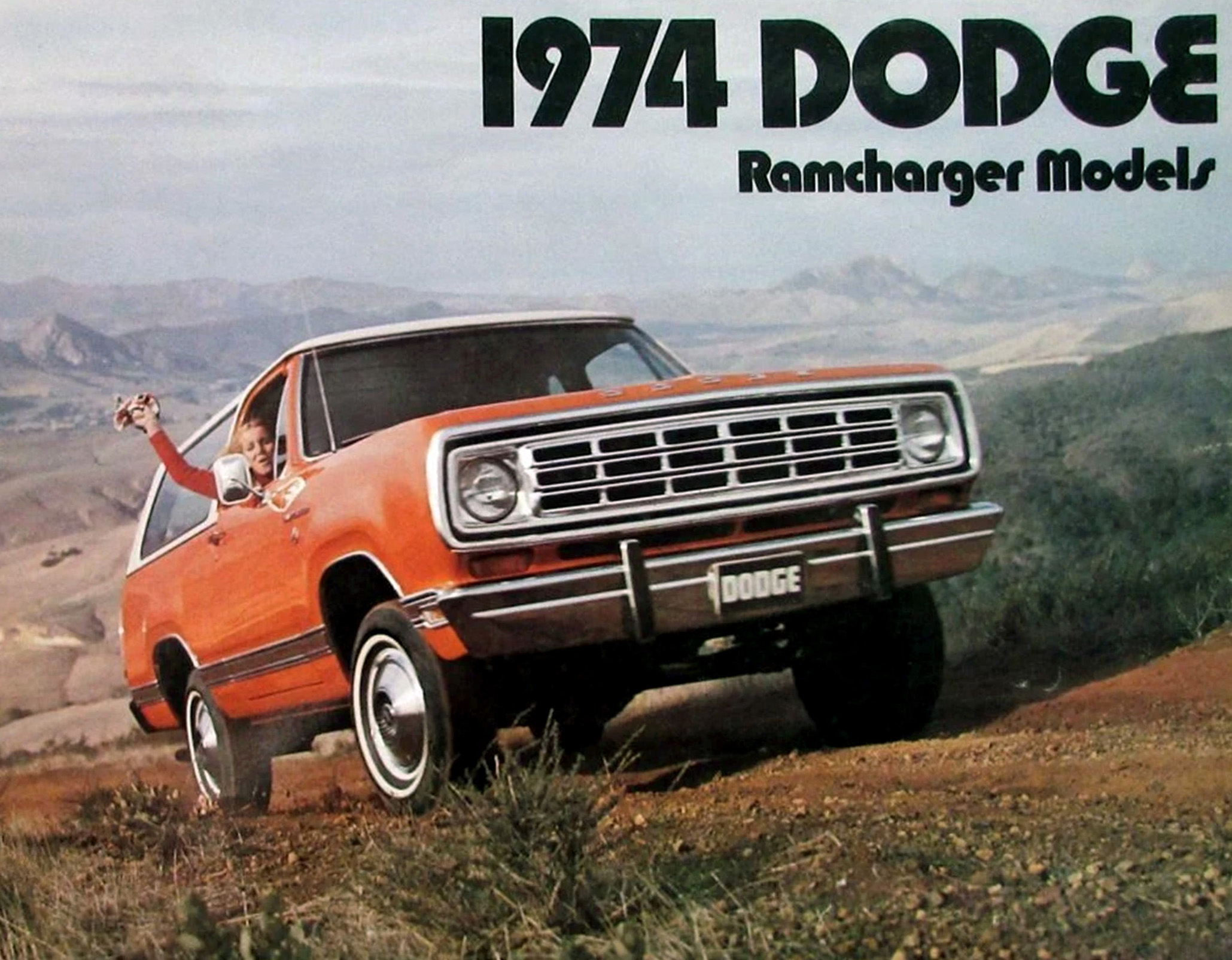
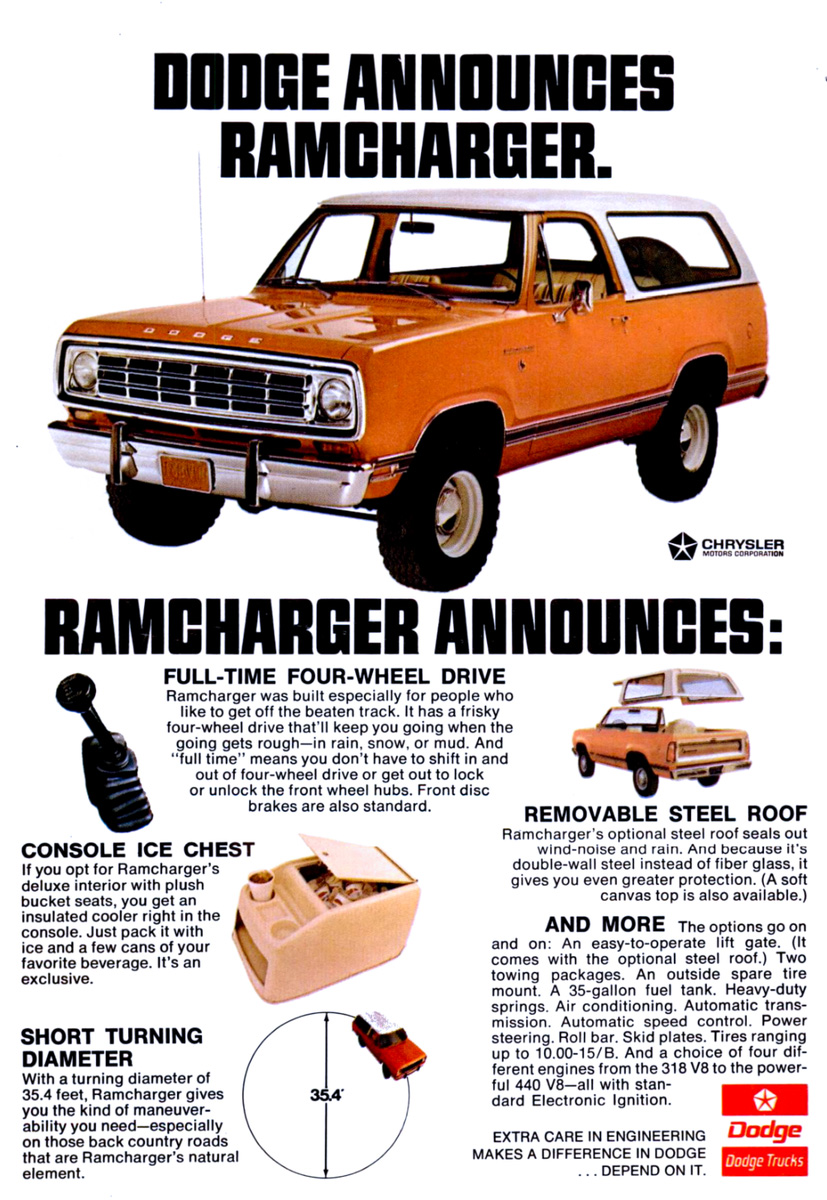
Like those GM utes, they were essentially chopped-wheelbase pickups with open beds from the windshield back and offered with removable hardtops or a canvas roof. The earliest models, like the one shown below, even had frameless door glass (but quickly were changed to add the pickup’s solid framed doors by June of ’74). And that console ice chest is pretty damn cool!
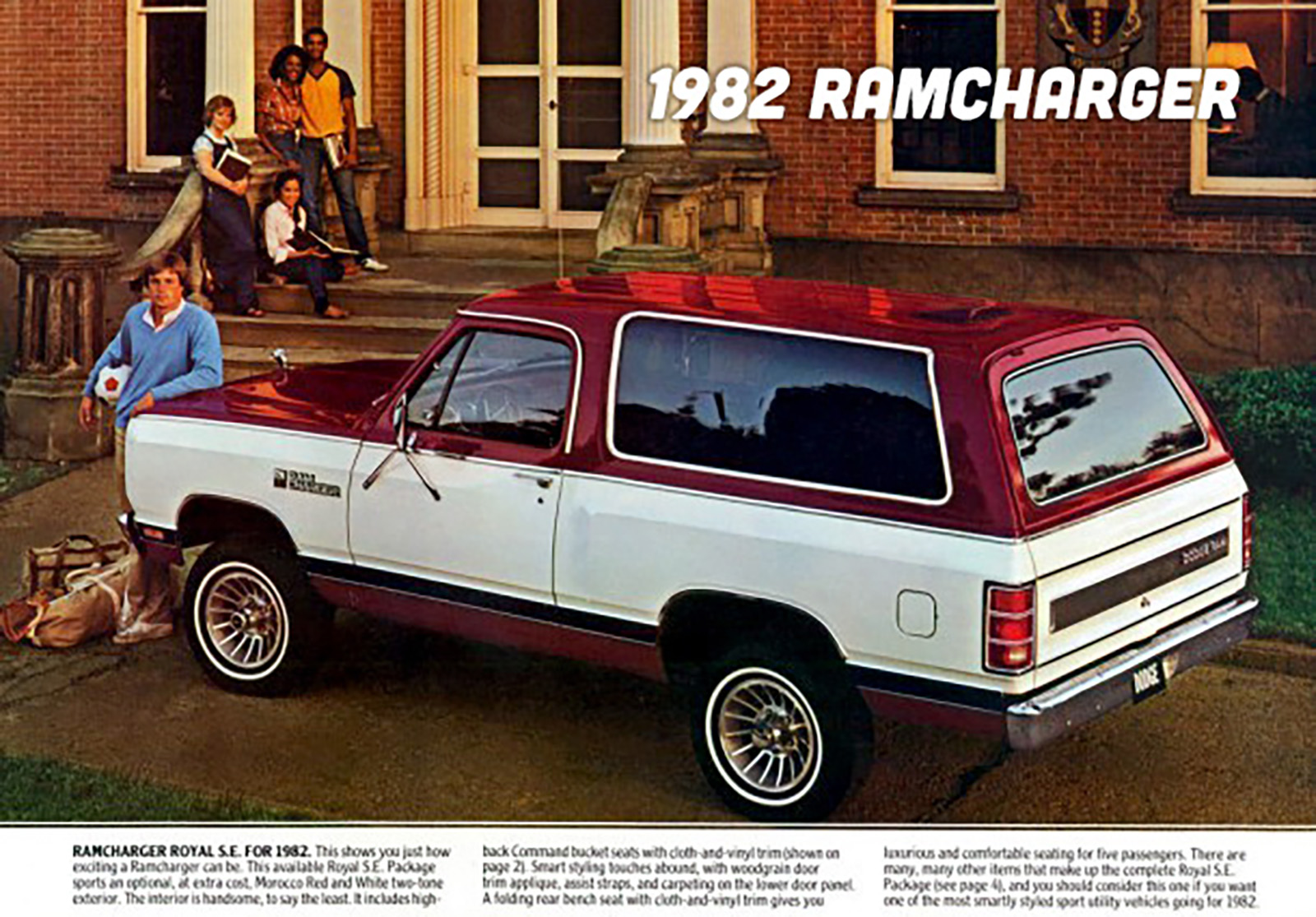
In 1981, a refreshed model debuted that included the “RAM” brand name and the revisions given to Mopar’s now-aging line of trucks. The metal roof was now fully fixed in place. The best addition on these facelifted models had to be those cool rear quarter windows that wrapped into the edges of the roof.
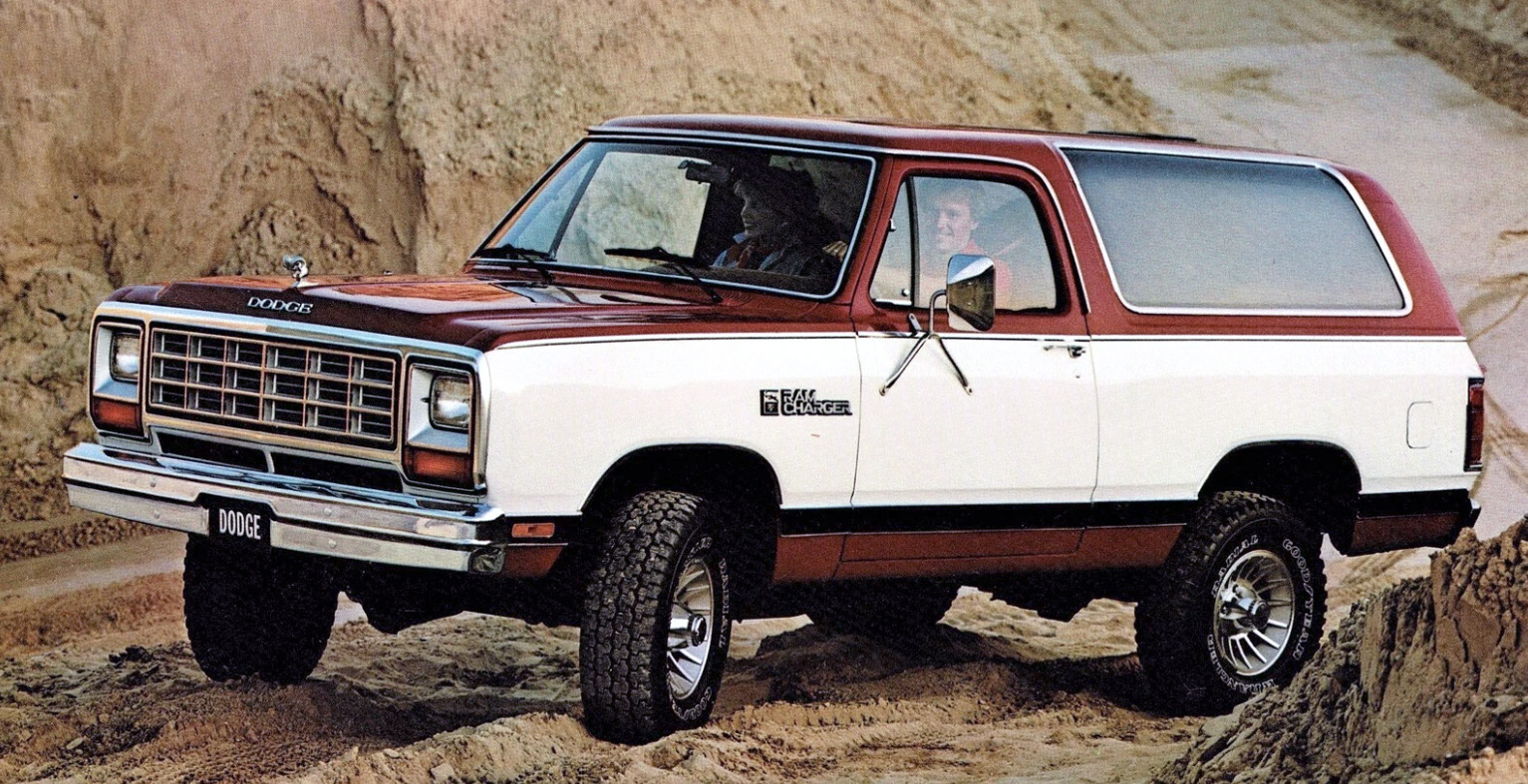
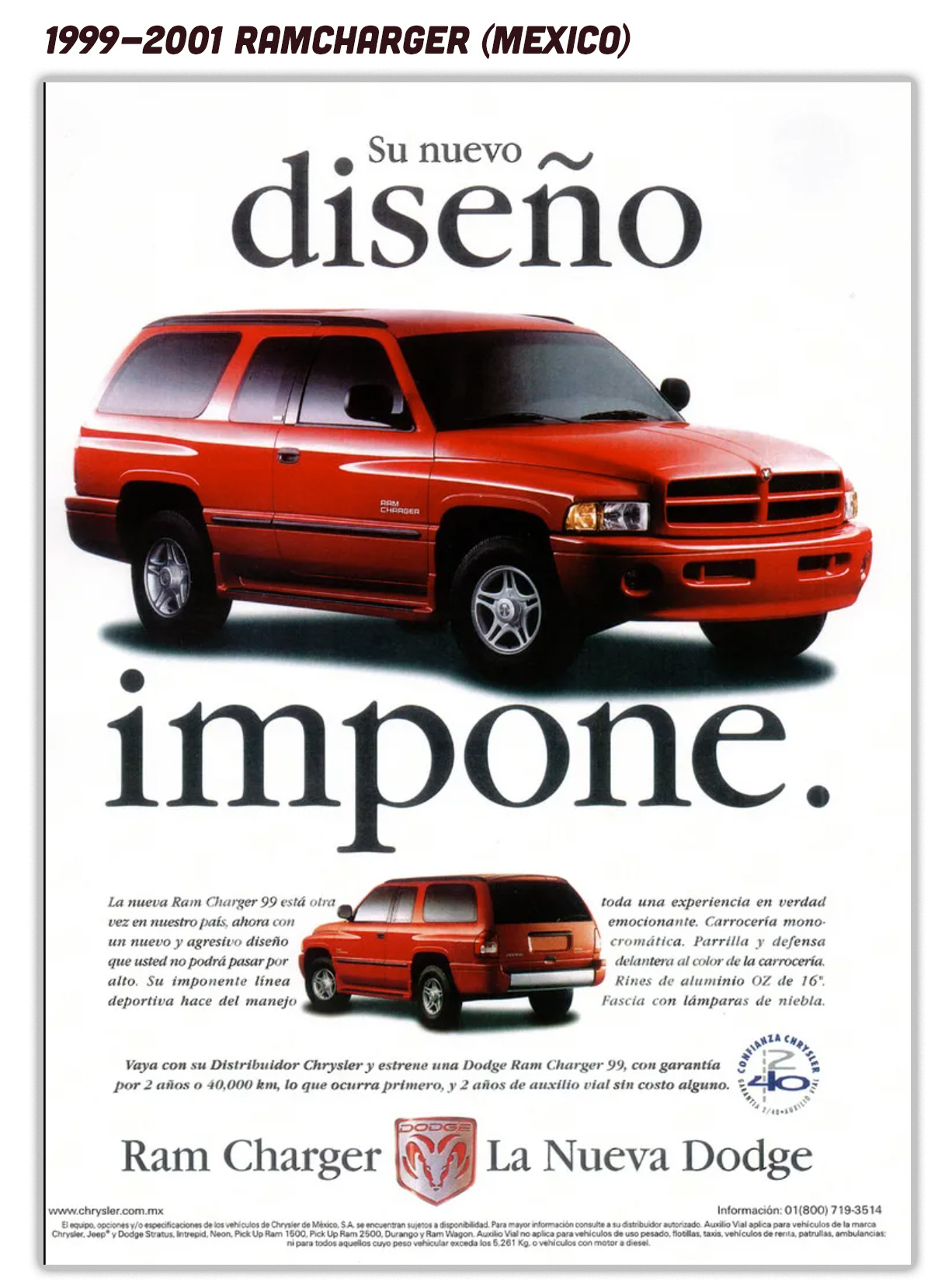
This old warhorse soldiered on until 1993 in the United States, and proved so popular in Mexico that Chrysler continued to sell it there for three more years. When it became clear to Chrysler Mexico that the U.S. was not going to release a replacement, they took matters into their own hands in 1999 and created a version based on the exciting new-for-1994 “big rig” style Ram.
You’ll note the creative use of a Dodge Caravan tailgate structure and rear backlight. It might be a little convoluted in places, but it’s rather brilliant for the reported AMC-like $3 million pittance required to tool it. Mercedes Streeter has written about this one in detail; it only lasted for two years in Mexico, and when it disappeared, that was the end for full-size factory Mopar utes.
As with the Centurion Fords, the aftermarket saw a need and stepped in to turn some examples of the newer-style RAMs into Suburban-esque wagons. In many cases, coachbuilders used GM or Ford parts and stuck them onto an existing RAM pickup. This creation of a 1999 truck below was for sale a while back; as expensive as the Ford Centurions were, I can imagine this thing must have cost even more to build. At least they invested the work into a 2500 with a Cummins to have something special.
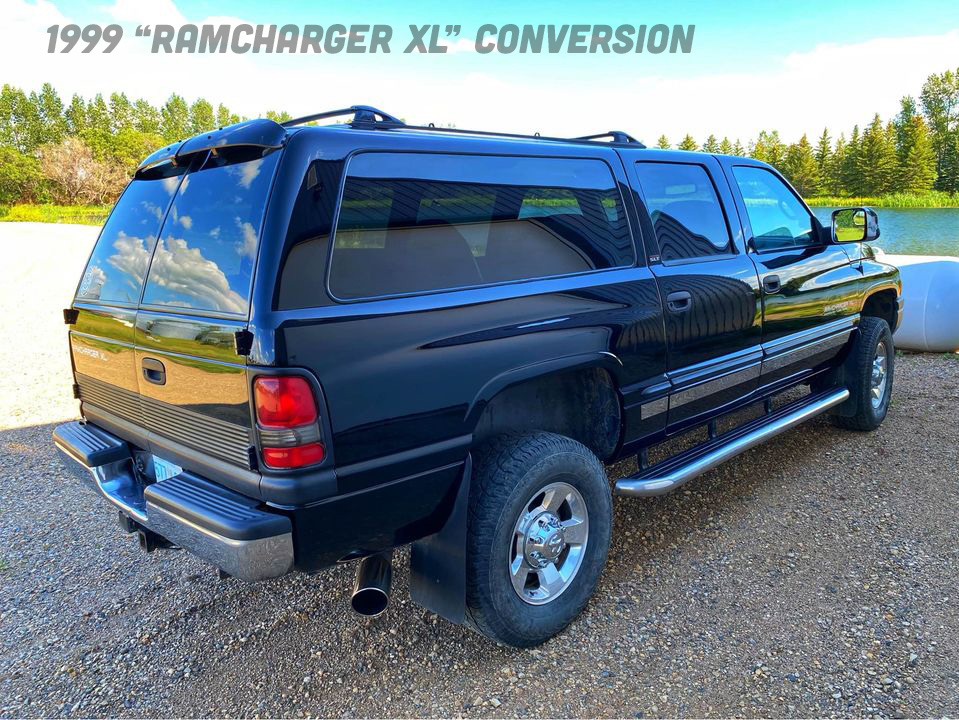
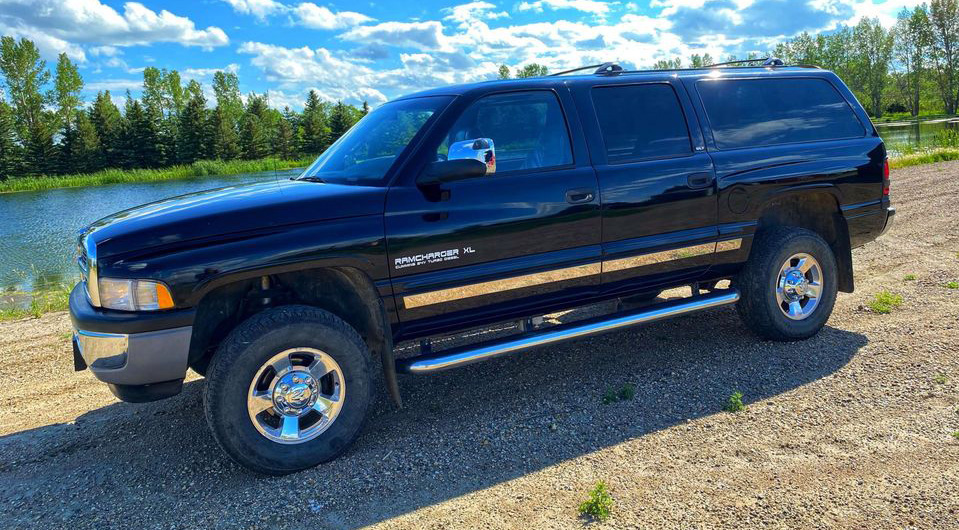
The proof-of-concept above shows the potential for the idea. Time to get an image of the latest 1500 and get started and a brand-new factory version.
Engage Photoshop … Kick Out The RAMs!
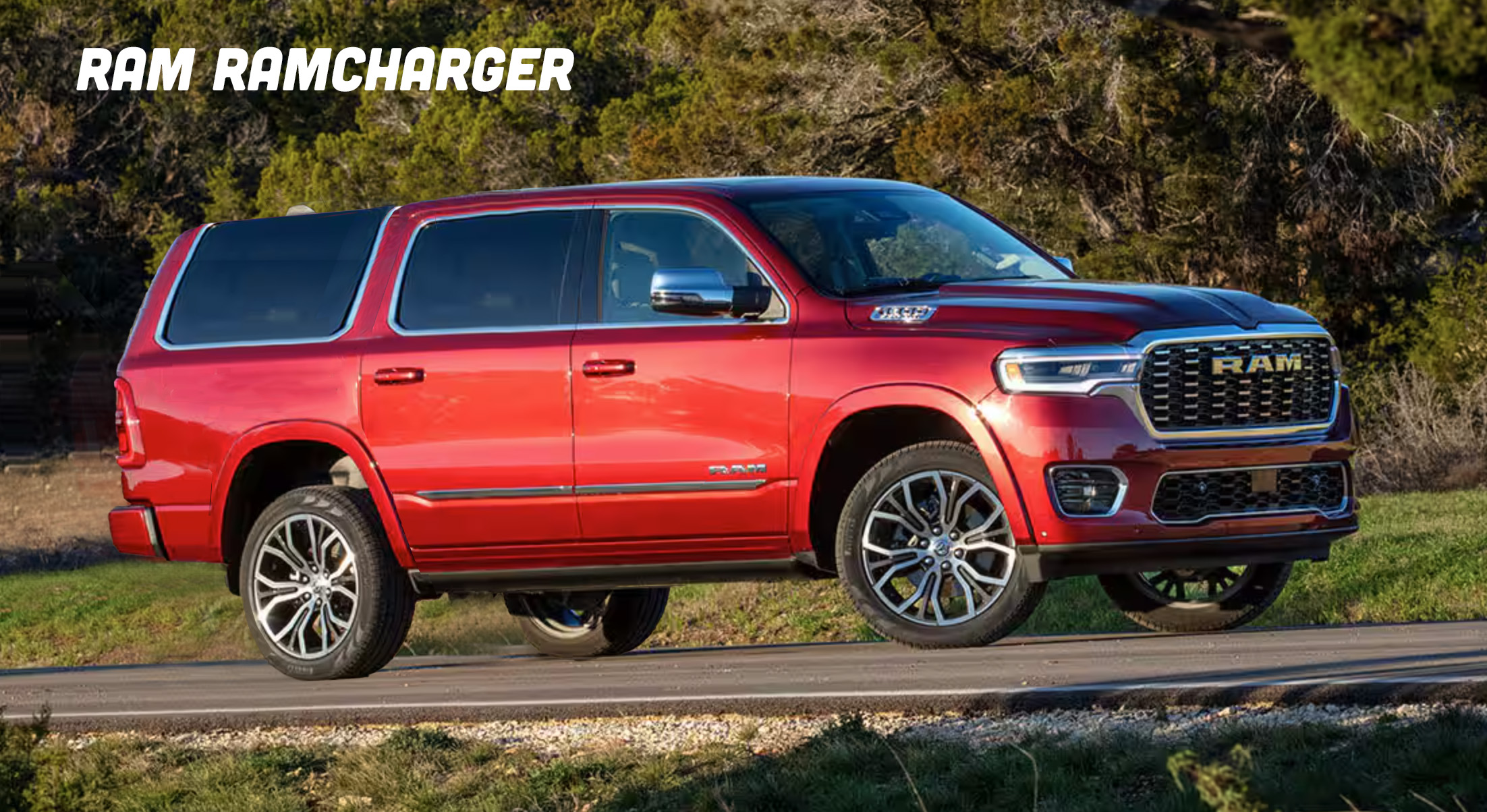
Not surprisingly, there are many, many renderings online showing concepts of RAM pickups converted to Suburban- or Tahoe-like utes. I won’t post them here since a.) legally I can’t show other people’s work without permission and b.) I don’t like any of the ones I’ve seen anyway. Most illustrators just add side window treatments scraped from or identical to an Expedition or a GM truck; how can you have a Ramcharger without those cool-looking wrapover rear quarter windows? Why would you want a big ute that looks just like the other guys anyway?
Also, I KNOW there is already a new “Ramcharger” electric truck, but honestly this classis SUV deserves rights to the name. If not, maybe we have to call it the Trail Duster to reference the rare Plymouth version of the 1974-81 Ramcharger.
I’ll start with a Tahoe-style shorter model based on a 1500:
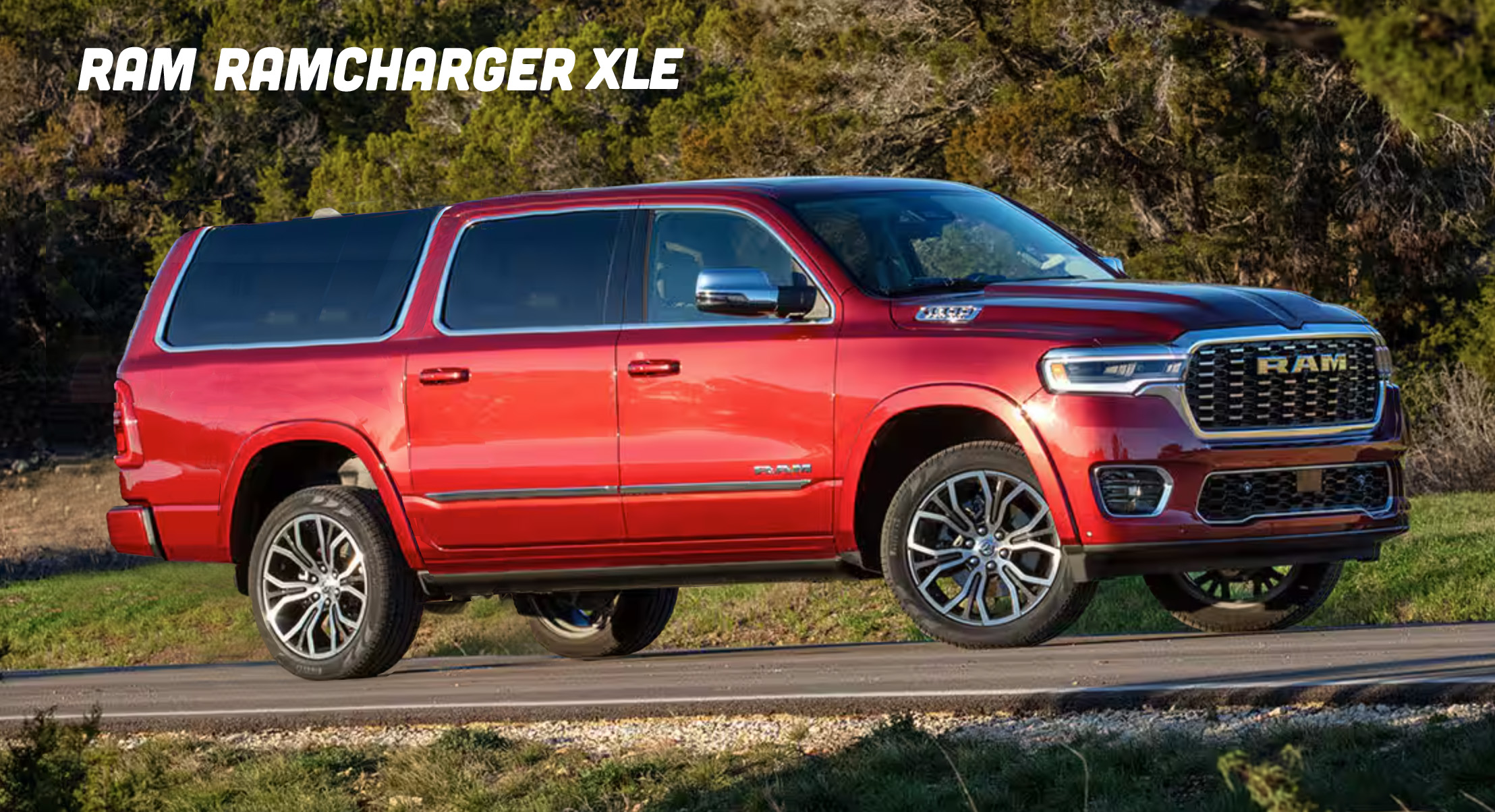
Let’s stretch it to a Suburban-sized version as well:
In back, I think the double doors are a bit of a lash-up, and a full lift-up tailgate isn’t befitting a “real” Ramcharger. I’ll add a lift-up hatch and fold-down tailgate, but with the split put down lower as on an Expedition to allow for easier cargo access. I tried doing funky things with Durango-style taillights and black panels as on the latest big Ford models, and it just didn’t look right. I kept it simple since to me that kind of no-nonsense approach says “RAM”.
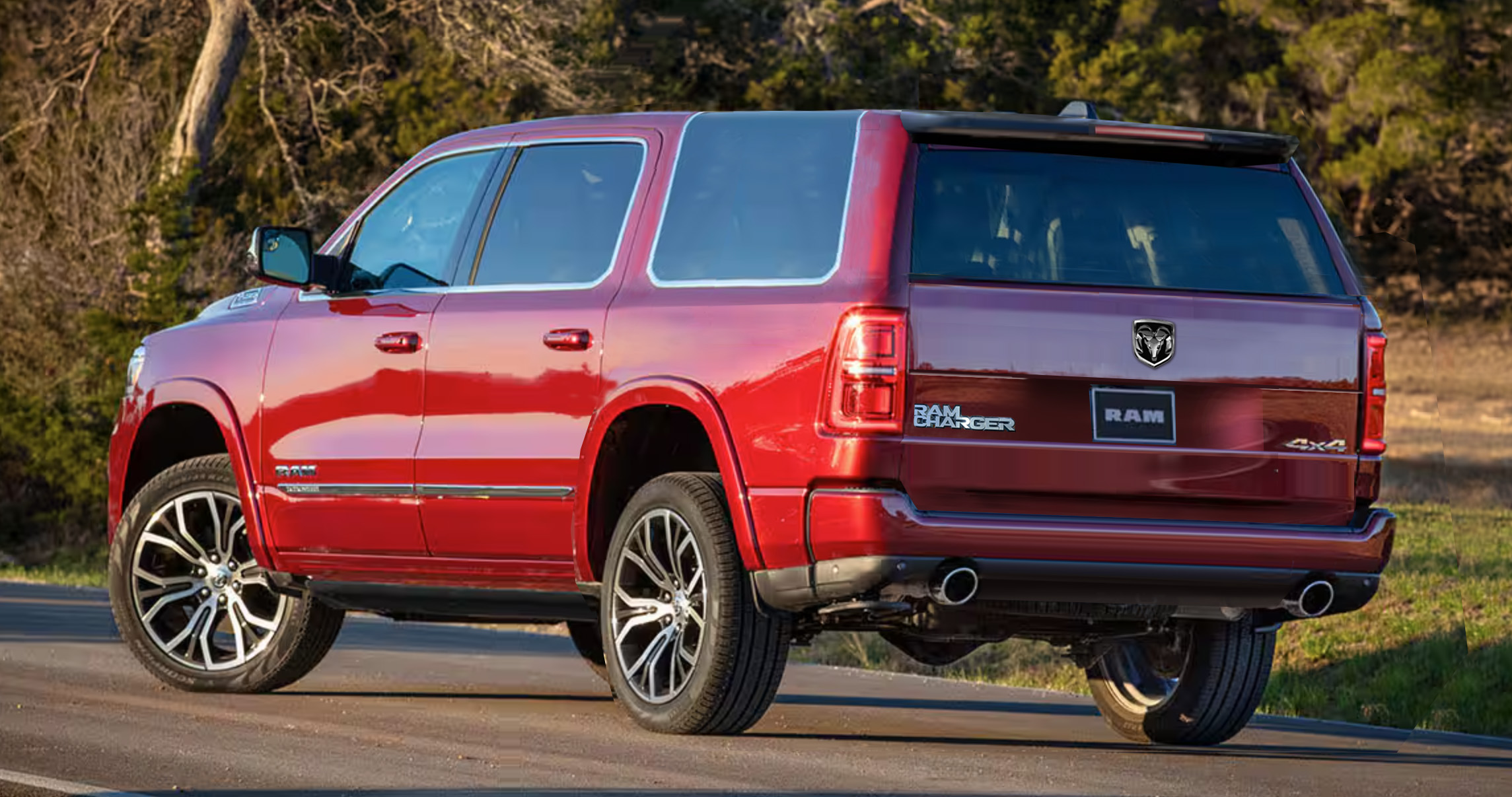
The end result is something that you barely look at twice because you assume that it already exists. Why shouldn’t it? It looks great; the distinctiveness of the nose is matched by the uniqueness of the rear greenhouse. And could a 2500 version be offered? Did someone say Cummins? Why not? It’s a can’t miss.
Let’s RAM A Hit Out Of The Park
The best part of this new Ramcharger? Profitability of large sport utilities- especially the luxury versions- is typically off the scale. I remember reading something years back about how one Navigator sale packed more profit than selling three or four Focuses (or is that Foci?).
Come on, Stellantis, in the last few years, you’ve given us the Alfa Hornet, a Charger with fake engine noises, plus a Jeep Wrangler pickup and a Wagoneer that nobody wants. You lookin’ for an easy winner? This is it. As Burt Reynolds said in Smokey and the Bandit, “Do if for the money, for the glory, and for the fun … but mostly for the money.”
The post It’s Absurd That You Still Can’t Buy A True Full-Sized RAM Family SUV appeared first on The Autopian.