Golden Anniversary
The year 1976 saw its fair share of significant car launches. There’s the near-indestructible W123 Mercedes-Benz, the cool (but terribly-built) Rover SD1, and the Honda Accord. Over in Bavaria, that year saw the premiere of the E24 BMW 6 Series.
The original 6 Series has the honor of being the longest-running model BMW has ever produced. The first cars rolled out in ’76, and they were retired in 1989, a total of 13 years. For over a decade, the E24 has well and truly established its legacy as the company’s premier grand tourer, proving itself on the road and on the track.
BMW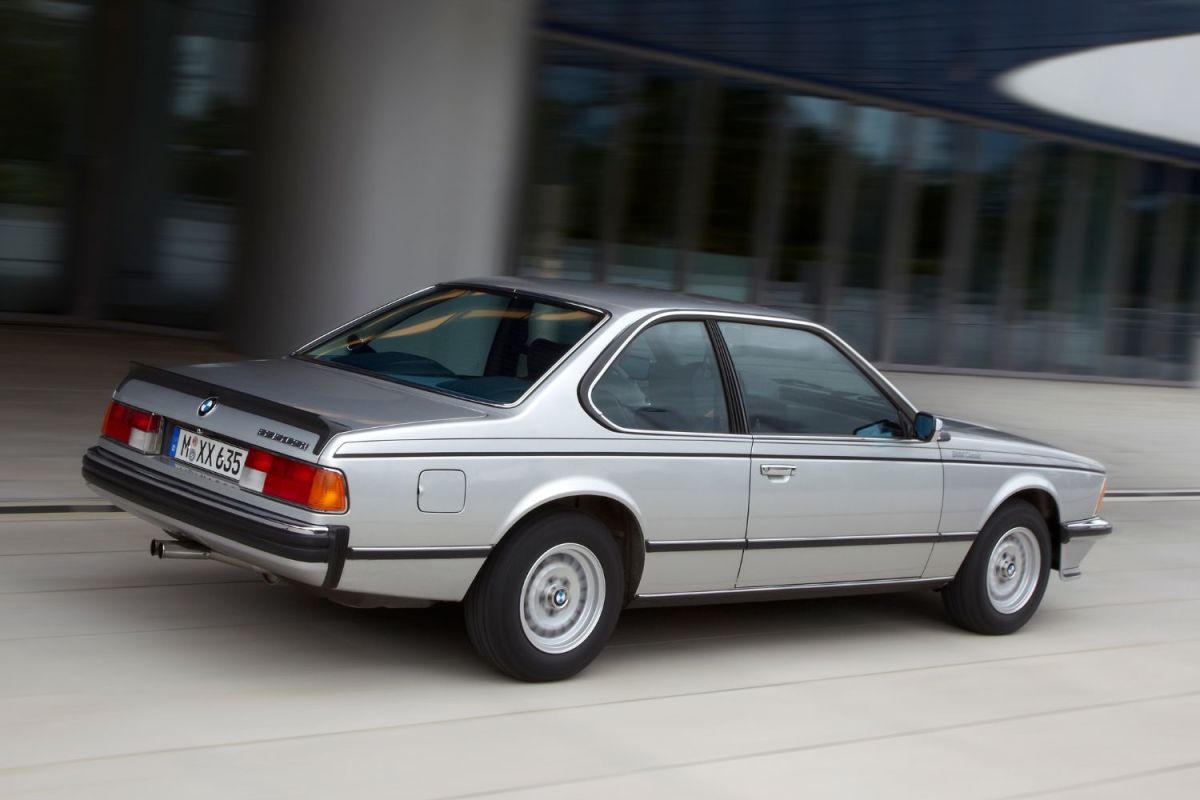
Before the 6 Series
The 6 Series succeeded the E9-based models collectively known as the Großes Coupe. Just before it was replaced by the 6 Series, the E9 already had a pretty legendary status. It was part of the revolutionary Neue Klasse lineup that included the 1500, 1800, and 2000, as well as the E3 (Bavaria/Großes Limousine) and E10 (02 models). The E9 was sleek, stylish, and on the race track, hugely successful.
So, the 6 Series had a lot of weight on its fenders. Succeeding a much-loved model is never easy, especially one that had achieved legendary status even before its production had wrapped up. Thankfully, the 6 Series delivered and became a legend in its own right.
BMW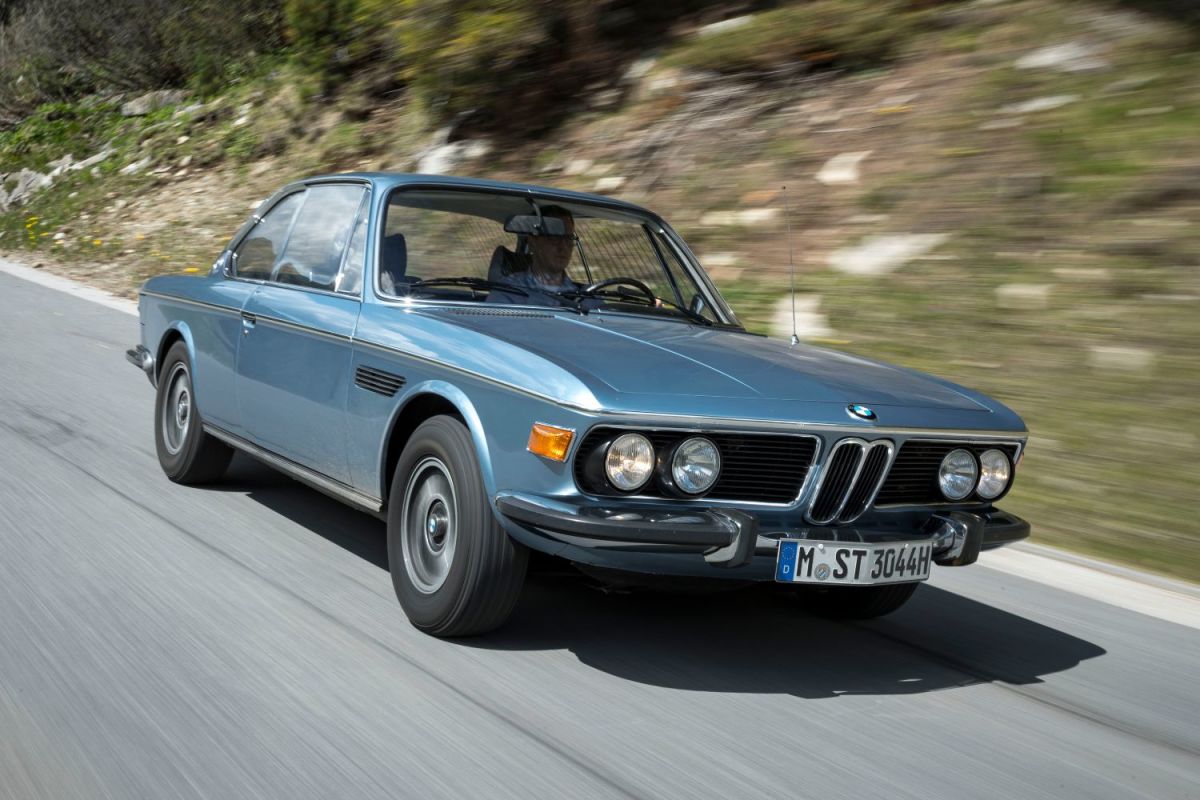
The Basis
By the ’70s, BMW had begun renaming its vehicles into the ‘Series’ models we all know today. It started with the 5 Series in 1972, followed by the 3 Series in 1975. The E9 successor was called the 6 Series, likely because it was heavily based on the 5 Series.
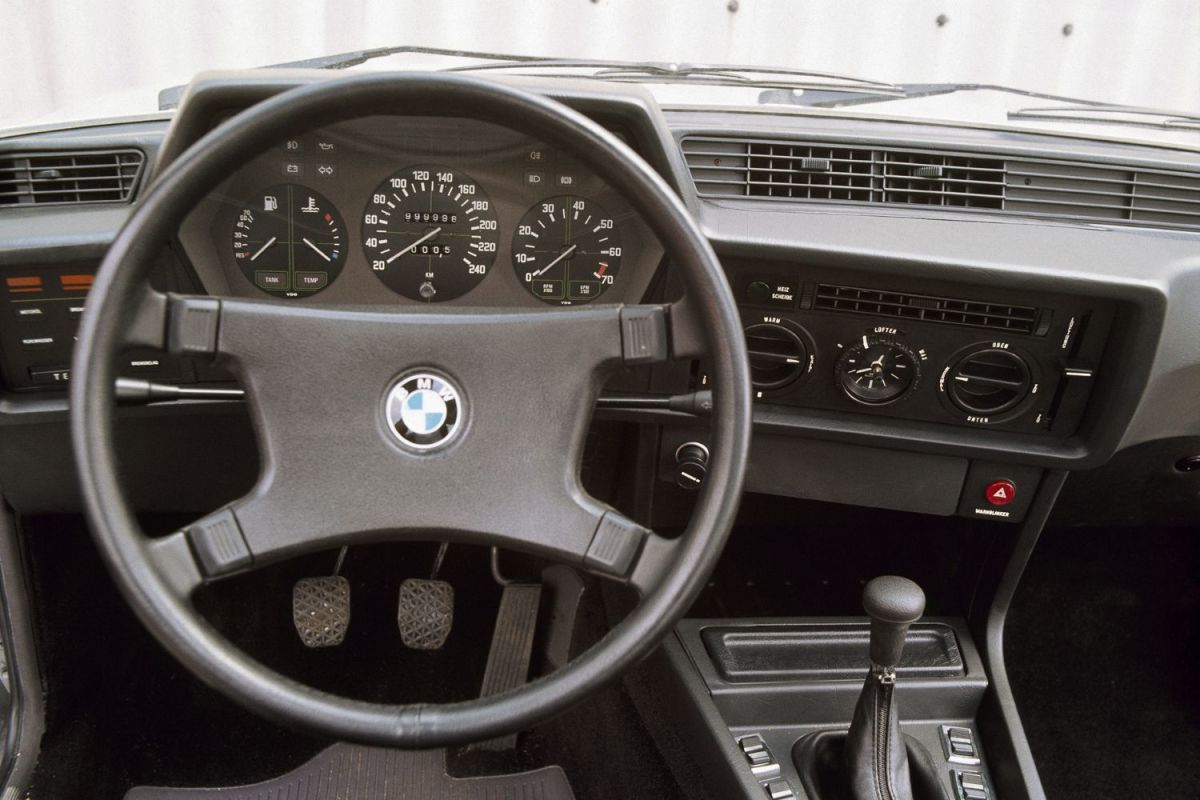
Indeed, a good chunk of the E24 was based on the E12, from its chassis, components, and mechanicals. It was then given its own unique design inside and out, penned by Paul Bracq. There was inspiration from the E9, as well as a couple of elements from the E12 5 Series and E21 3 Series, both of which were designed by Bracq.
An interesting factoid about the 6 Series is that Bob Lutz (yes, THAT Bob Lutz) had input in the development of the E24. It was initially proposed that the E9 would be heavily updated instead of building a new model from the ground up. Lutz rejected that idea, leading to the coupe we know today.
BMW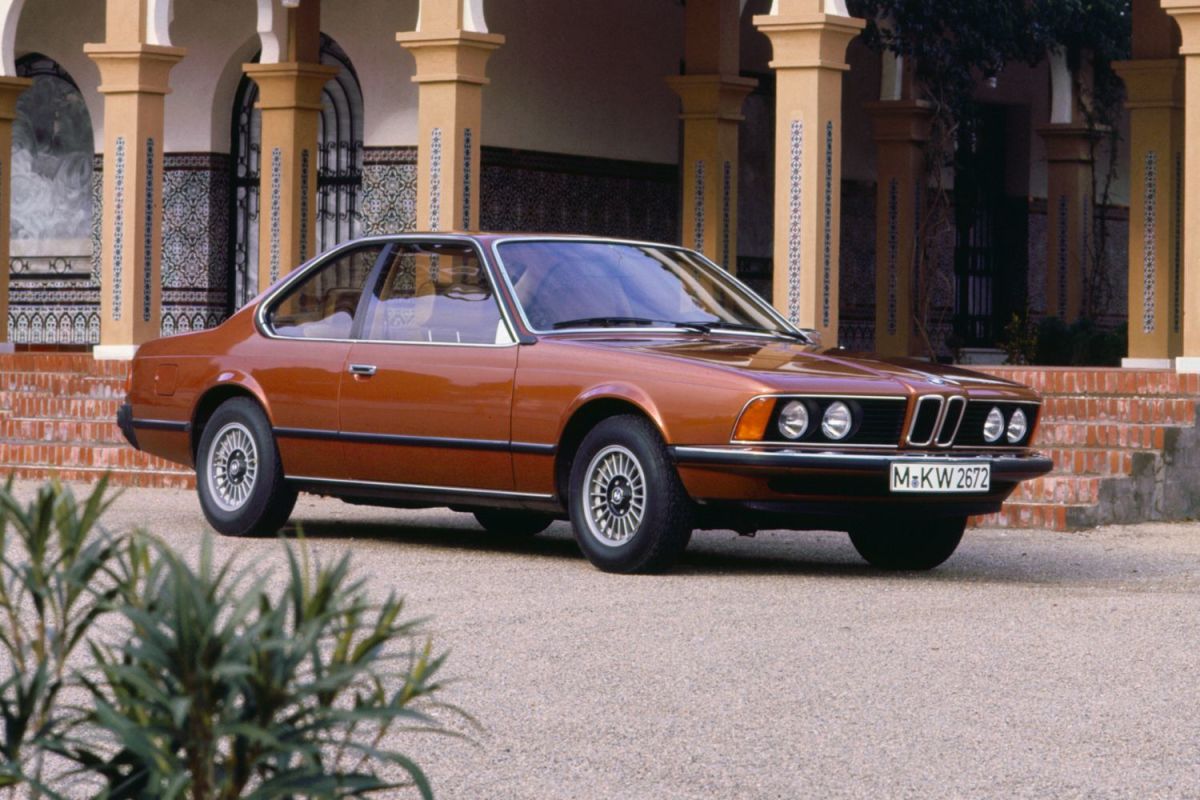
Launch Models
Upon its launch, the 6 Series was offered in two guises. The entry-level model was the 630CS, while the top version was the 633CSi. If you noticed the lack of an ‘i’ in the 630CS, that’s because it came with a carbureted M30B30V engine that made 182 hp and 188 lb-ft. The 633CSi came with fuel injection and a slightly larger displacement (3.2 liters), bumping power up to 197 hp and 210 lb-ft.
Four-speed manuals and three-speed automatics were the initial models, although a five-speed manual was introduced not long after. The U.S. model didn’t get the 630CS; instead, it got an injected version dubbed the 630CSi, which became available for 1977. Either way, 630-badged 6 Series models didn’t last long, as they were replaced by the 628CSi in mid-1978.
BMW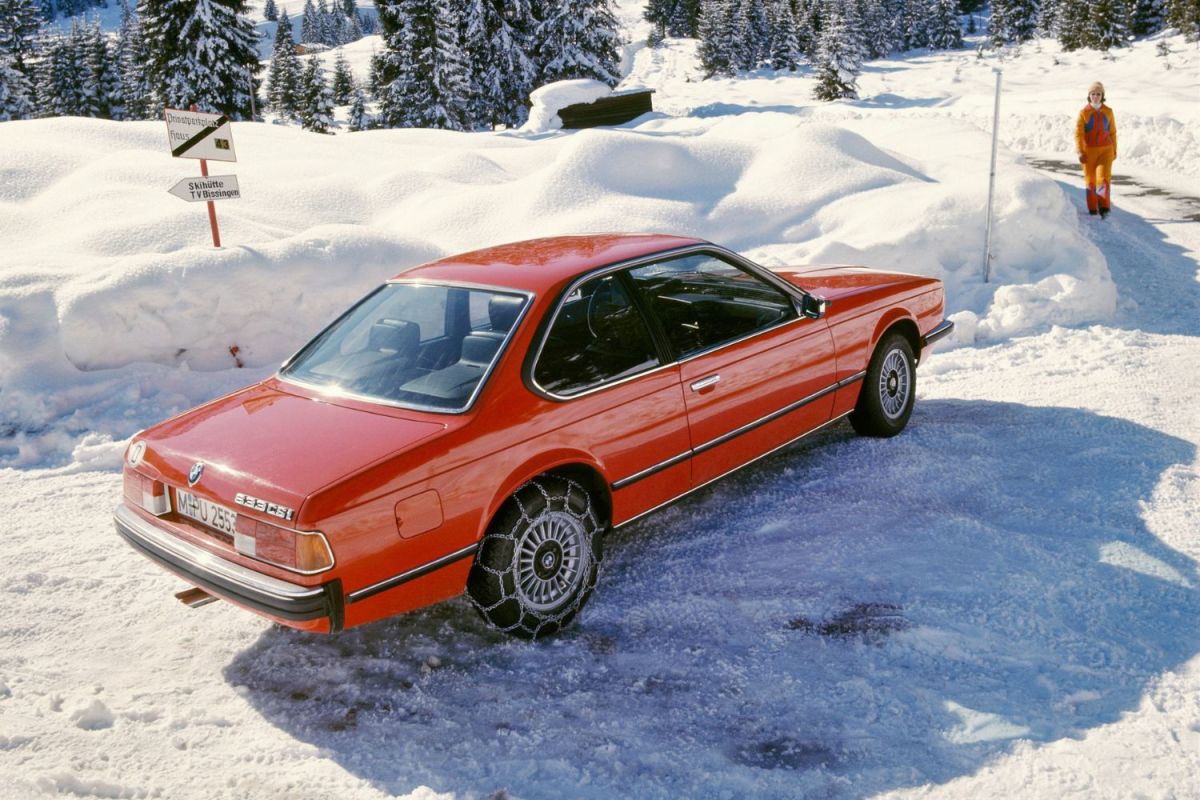
635CSi: The Definitive 6 Series
Just two years after its premiere, BMW introduced the 635CSi, the one that would, eventually, define the E24 6 Series and the most-sold version of the luxury coupe. Launched in 1978, it used a 3.5-liter M90 engine that was installed in the Euro-market 735i from the year prior, and was good for 215 hp and 224 lb-ft.
For a few years, it was sold alongside the 633CSi, but perhaps it’s no surprise that more opted for the 635CSi. It had more power and more torque for not much more money, and it was almost illogical to opt for a slightly lesser model when this engine option arrived. We’re not disrespecting the 633CSi or anything, but we understand why most 6 Series models had the numbers 6, 3, and 5 slapped on the trunklid.
A Major Update
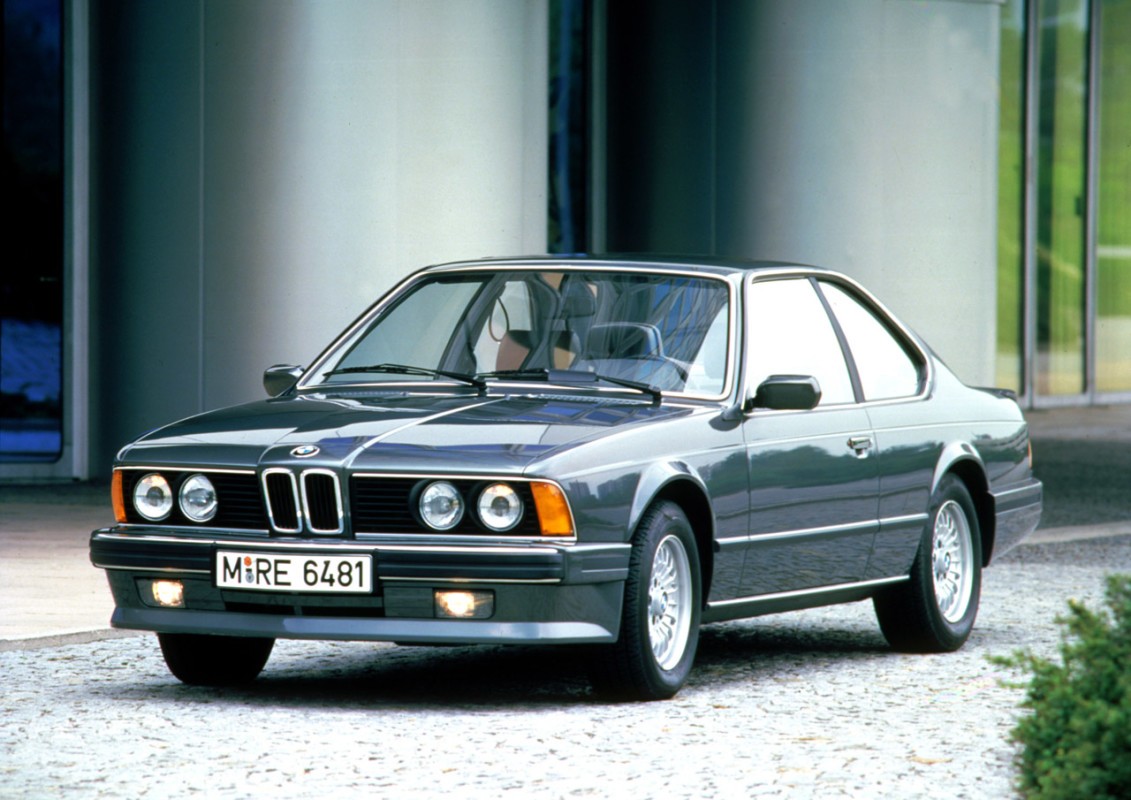
For 1982, the 6 Series underwent a major overhaul, not just an exterior facelift or an interior update. Under the chassis, it received suspension components from the E28 5 Series, which debuted in 1981. The front struts were upgraded to double-link units, and the rear axle’s trailing-arm setup received a pitman arm to keep camber levels consistent under hard driving.
As for the exterior, the front bumpers were mildly reshaped, and the interior update came in the form of a slightly reworked dashboard. There were also changes under the hood, with the 633CSi being cut from the lineup and the 635CSi replacing its M90 engine with an M30. Power was unchanged as before, although some markets that required catalytic converters ended up with heavily detuned outputs.
BMW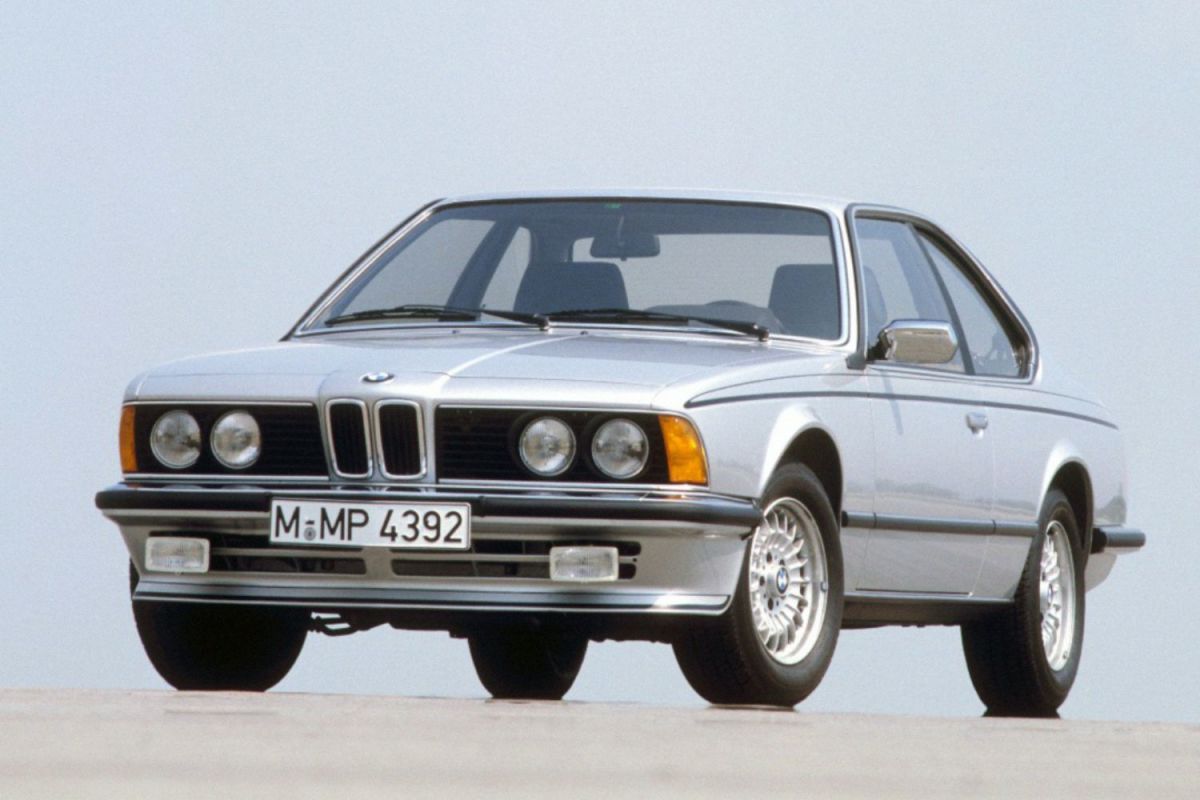
The One to Get…If You Can Find One
BMW finally gave the 6 Series the M treatment in 1983 for the 1984 model year, seven years after the coupe’s introduction. While not badged as an M6 in Europe, the M635CSi was a true M car in all but its name. Its engine, at least in Europe, was the M88/3, derived from the M1. That same lump would be installed in the E28 M5 in late 1984, and it was good for 282 hp and 251 lb-ft.
Around this time, BMW began competing in the 6 Series in motorsports. Even though the race cars weren’t called M635CSi, it was pretty clear that the M division put a lot of its know-how into those racers. It was instrumental in getting the driver’s titles for Helmut Kelleners, Dieter Quester, and Roberto Ravaglia in the World Touring Car Championship, and it also found great success in Australia, New Zealand, and Japan.
The M6 badge appeared in 1986, but only for U.S, Canadian, and Japanese-market M635CSi models. The rest of the world continued using the longer name and the M88/3 engine. However, those named M6 came with a detuned version of the M88/3 dubbed the S38B35. The emissions-compliance adjustments meant ‘just’ 256 hp and 243 lb-ft. That same engine would be applied to global versions in 1987. Whether it has the M88/3 or S38, the M6/M635CSi is a highly desirable model. But, if you ask us, we’d go for the pre-catalyzed version as it’s the purest form of the hot 6 Series.
BMW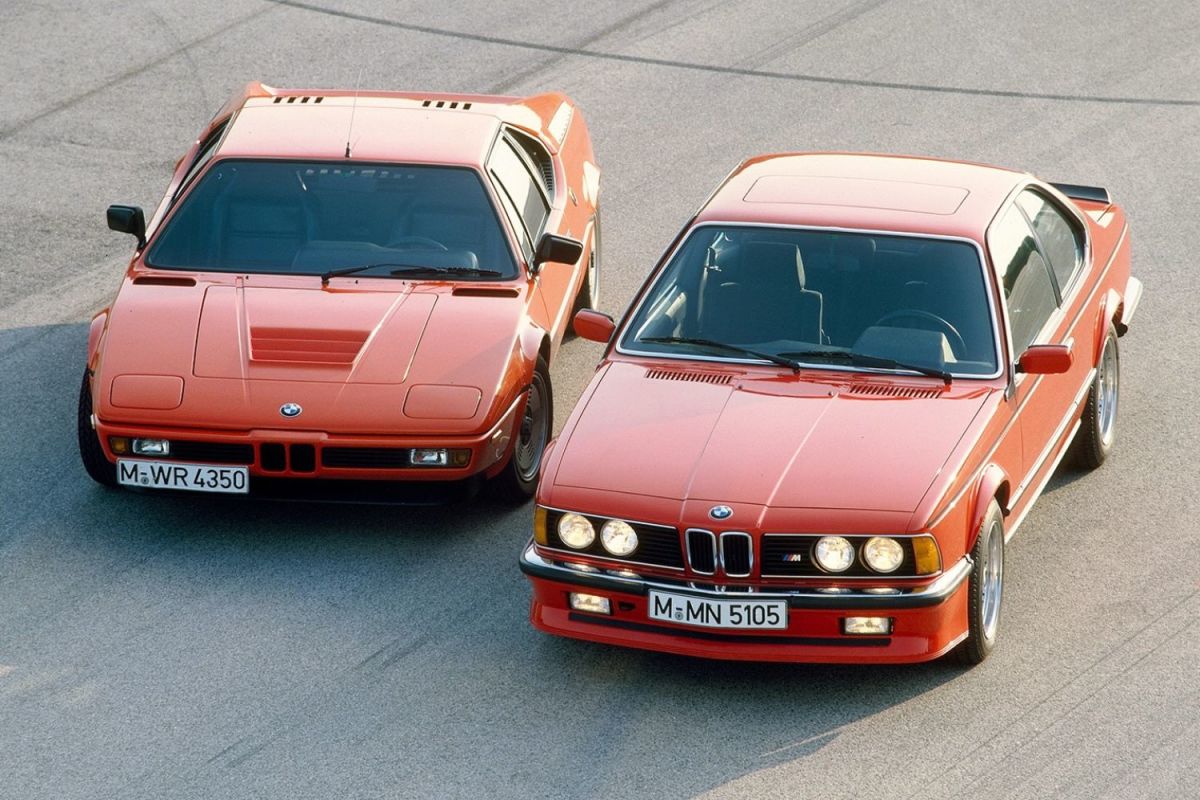
Unmatched Legacy
After 86,216 cars, the E24 6 Series ended production in April 1989. While it was never a particularly big seller, it’s still a highly regarded model that deserves to be called one of BMW’s greatest hits. The revival models that followed didn’t quite hit the same note as the original. There’s no doubt that the E63 and F12 surpassed the E24 in terms of outright performance, but the first one is still the 6 Series that defines the name. No, we’re not counting the 6 Series GT; that’s frankly an affront to the car’s lineage.
But, rather than ending on a sour note, we’re keeping our fingers crossed for a (proper) 6 Series revival down the line. We won’t expect it immediately, of course, but one can hope it can come close to capturing some of the essence of the model launched 50 years ago. This is your cue to get started, Alpina.
BMW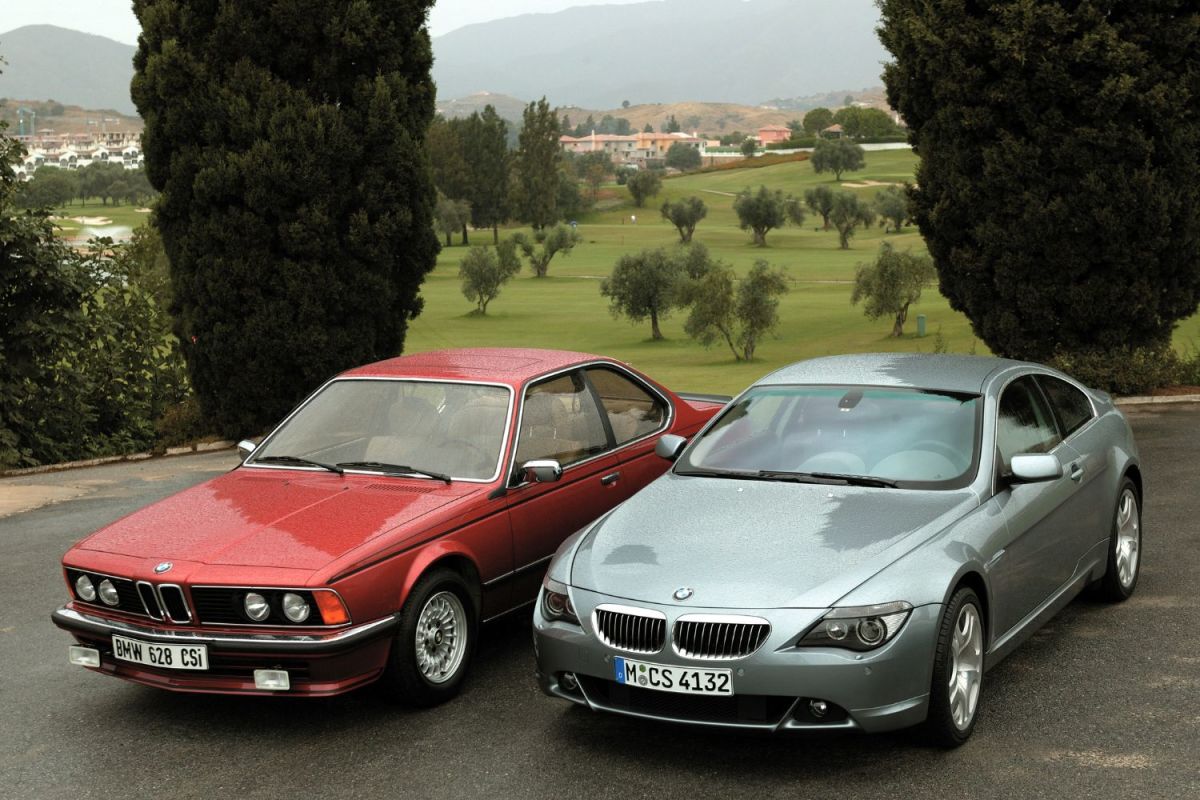
BMW