Not Just an ICE Problem Anymore
GM already has its hands full with lawsuits over its gas engines – a troublesome V8 here, a questionable inline-three there. But the headaches aren’t stopping with combustion models. Now, the spotlight is shifting to their electric lineup.
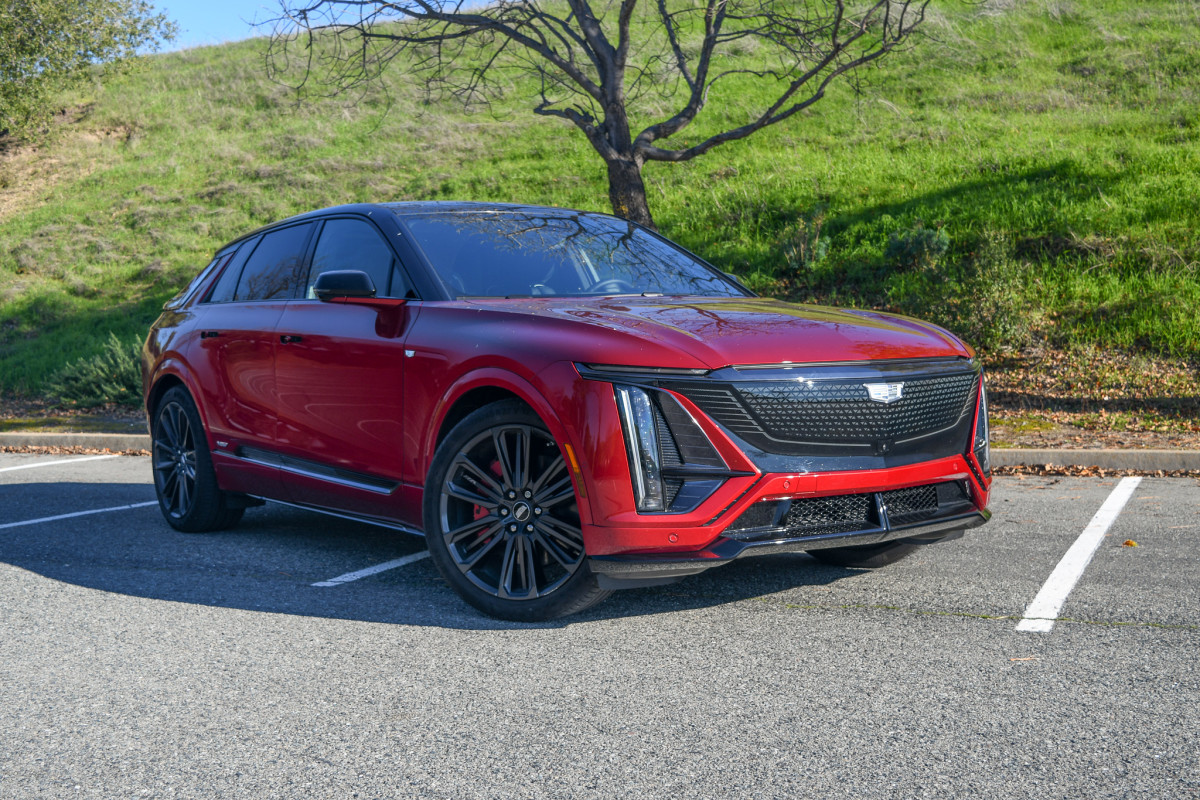
This time, it’s the Cadillac Lyriq under fire. Two owners have taken GM to court, saying their luxury EVs have problems that run deeper than the typical new-model teething pains.
The lawsuit raises a tough question for GM: Even as it tries to lead the EV charge, are some of its top models still struggling with basic reliability? And is this just a couple of unlucky owners, or a sign of a bigger problem?
Cadillac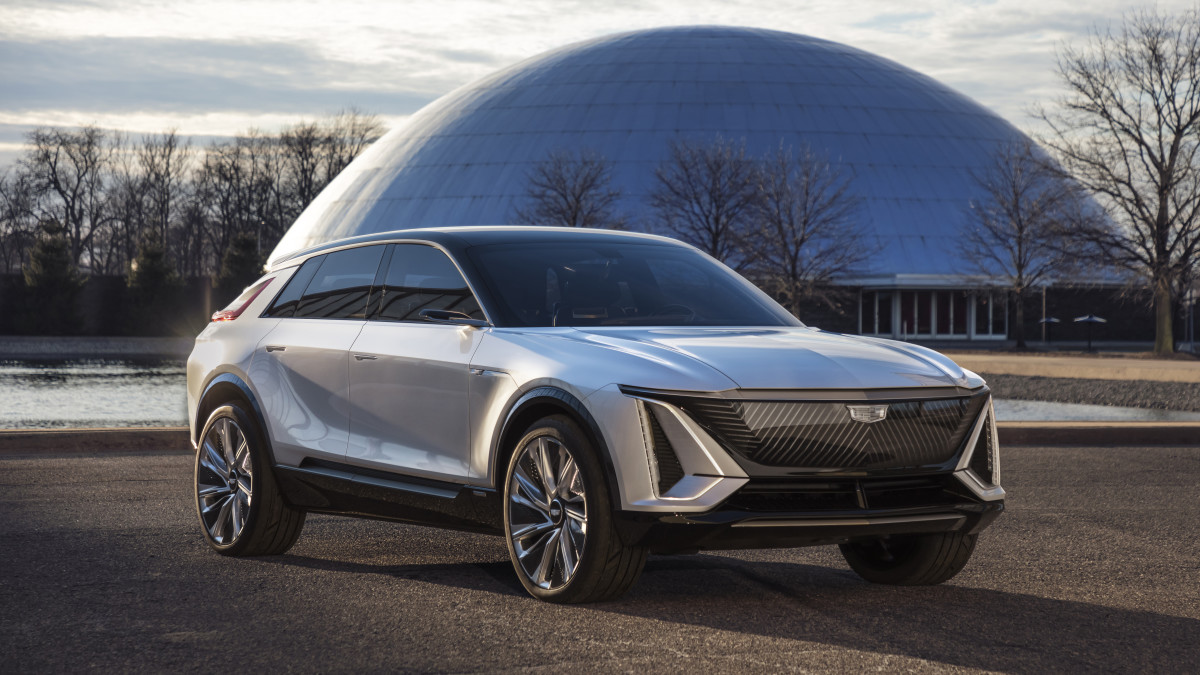
What the Lawsuit Alleges
The proposed class action was filed in the US District Court for the Western District of Washington on April 2, with plaintiffs Wendy J. Cochran of Washington and Charlene Riddle of Florida leading the charge.
According to the complaint, their Lyriqs are affected by a range of electrical, battery, and software-related issues. These problems can allegedly cause the vehicles to become “bricked,” meaning they cannot start, charge, or function at all.
The lawsuit points to failures involving control module communication, battery management systems, and charging systems. In some cases, the vehicles reportedly need to be towed to dealerships, where technicians struggle to diagnose or fix the underlying issues.
The plaintiffs claim GM has been aware of these defects through internal testing, warranty data, dealership reports, and complaints filed with regulators. Despite this, the company allegedly continued marketing the Lyriq as a premium, reliable EV built on its Ultium platform.
They are seeking to represent a broader group of owners nationwide, with additional claims under federal warranty law and state-level consumer protection statutes.
Cadillac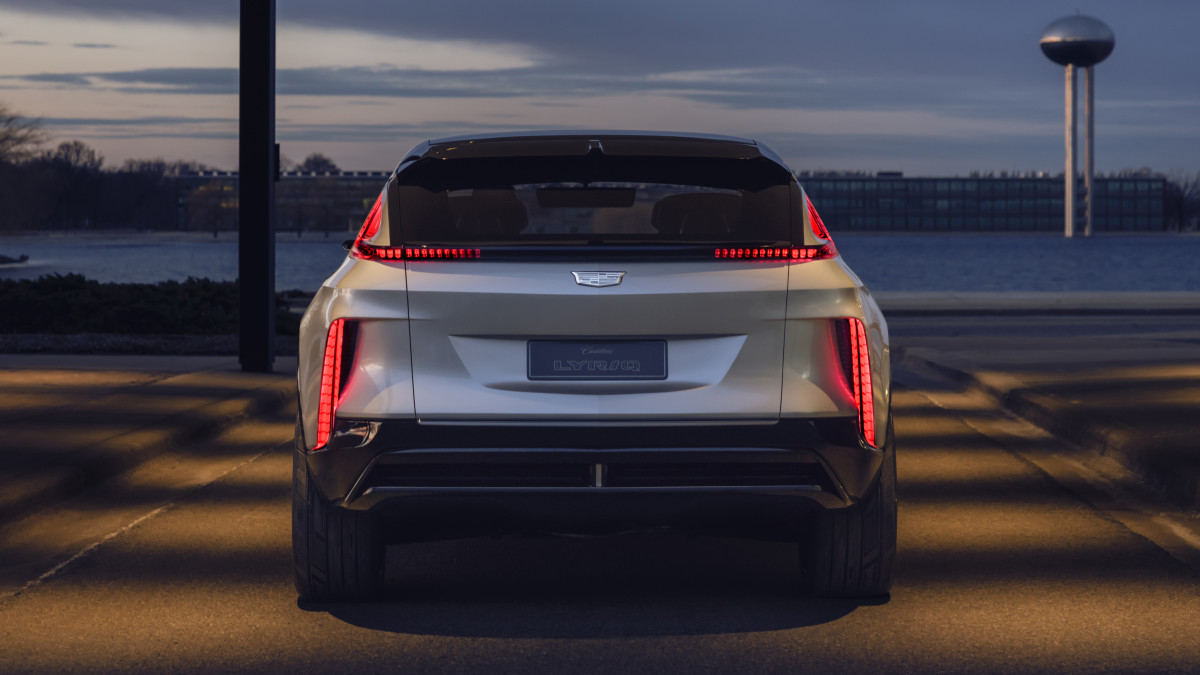
GM Offered Buy-Backs
So far, GM hasn’t said much about the lawsuit. According to the complaint, the automaker offered to buy back some Lyriqs but has dragged its feet on actually paying out – possibly to soften the financial blow.
The owners’ argument is simple: These aren’t one-off glitches. The problems are tough to fix and serious enough that GM should be held accountable. Their lawyers also hint that parts shortages could be making repairs even slower, though GM hasn’t confirmed that.
What happens next depends on whether the court lets the case go forward as a class action, and how GM decides to play it – settle, fix the cars, or fight it out in court.
Kristen Brown